


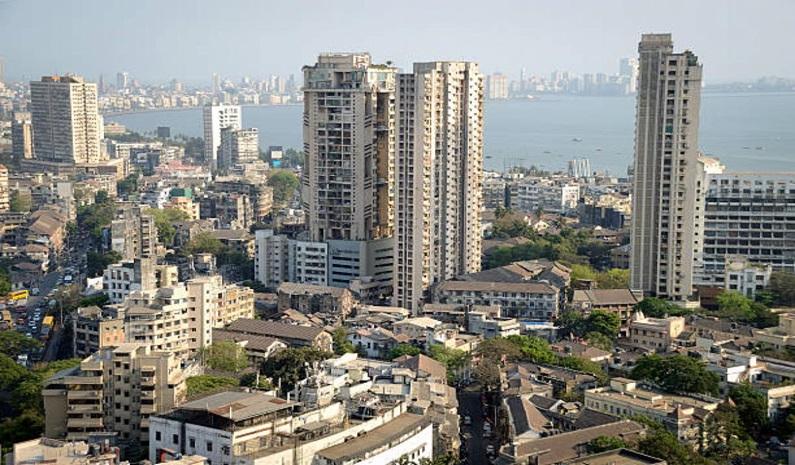
Mumbai’s urban land market has entered uncharted territory after a series of railway land auctions delivered some of the highest-ever bids recorded in the city, reshaping benchmarks for land valuation and raising critical questions about affordability, urban form and long-term sustainability.
Three strategically located railway-owned parcels in central and western Mumbai attracted aggressive bidding from major real estate groups, signalling strong investor appetite for scarce, well-connected land. The auctions, conducted through public tender, covered sites in Mahalaxmi, Bandra East and Parel, all of which are located within established transit and employment corridors. The most closely watched parcel was a sub-three-acre site in Mahalaxmi, where the winning bid exceeded Rs 2,200 crore, translating into a per-acre valuation rarely seen in residential-led precincts. Competing offers from multiple large developers underscored the intensity of demand for centrally located land with redevelopment potential, even as market observers flagged the risks associated with such high entry costs. A separate parcel in Parel, spread across a larger footprint, also drew a four-figure crore bid, placing its per-acre valuation on par with premium coastal neighbourhoods. Meanwhile, the largest landholding offered, located in Bandra East, recorded the highest cumulative bid value, with plans indicating a mixed-use development combining commercial and residential components. The scale of this transaction positions it among the most expensive urban land deals in Mumbai’s history. Urban economists note that these auctions reflect both confidence and constraint. With limited land availability and tightening development regulations, well-capitalised developers are willing to absorb high land costs in anticipation of long-term demand.
However, such pricing inevitably feeds into higher end-user costs, particularly when layered with additional revenue-sharing obligations imposed by land-owning authorities. Industry experts warn that escalating land acquisition costs could narrow the scope for inclusive housing and strain the feasibility of climate-responsive design. High capital outlays often push projects towards maximum sellable density, leaving limited room for open spaces, energy-efficient construction, or social infrastructure unless explicitly mandated at the planning stage. From a city-planning perspective, the auctions highlight the growing role of public land in shaping Mumbai’s future growth. Railway and transport-linked land parcels are among the few remaining opportunities to integrate housing, workplaces and mass transit. How these sites are developed will have lasting implications for congestion, emissions and liveability. There are also broader concerns around financial sustainability. Analysts point out that projects acquired at peak land valuations require sustained sales velocity and premium pricing to remain viable, making them vulnerable to market slowdowns or policy shifts.
As Mumbai continues to monetise public land assets, urban planners argue that valuation should be balanced with long-term civic outcomes. The next phase will test whether record-breaking bids translate into resilient, well-designed urban districts, or simply raise the cost of living in a city already under pressure.
Also Read:
Mumbai Real Estate Faces New Land Price Benchmark
