


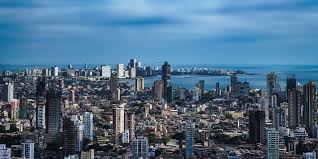
Mumbai’s residential development pipeline is undergoing a quiet but significant recalibration, with larger homes accounting for a growing share of new launches across the city. Regulatory filings from 2025 indicate that three-bedroom apartments are no longer a niche offering but an increasingly mainstream choice within Mumbai’s tightly constrained housing market.
During the year, more than 42,000 housing units were registered with the state real estate regulator across Mumbai. Nearly one in five of these homes comprised three-bedroom configurations, marking a clear increase from the previous year, when larger homes formed a smaller proportion of total launches. Market observers say the shift reflects changing household structures, post-pandemic lifestyle preferences and a gradual stabilisation of affordability among upper-middle-income buyers. The geographic distribution of three-bedroom supply reveals how developers are responding to location-specific demand. Western suburbs such as Oshiwara and Jogeshwari emerged as the largest contributors, supported by redevelopment-led supply, metro connectivity and proximity to employment hubs. Central locations including Bandra East, close to the Bandra Kurla Complex, also saw notable additions, underscoring the willingness of professionals to prioritise larger homes near commercial districts despite higher ticket sizes. Other established residential pockets such as Vile Parle West, Chembur, Mulund West and Kandivali East collectively formed a substantial share of new three-bedroom inventory. Urban planners note that these areas benefit from comparatively wider road networks, social infrastructure and improving transit access, making them better suited for family-sized housing within Mumbai’s dense urban fabric.
Two-bedroom apartments, however, continue to dominate the market in absolute terms. About a third of all registered units in 2025 fell into this category, concentrated largely in the western and central suburbs. Locations such as Oshiwara, Sion, Andheri, Kandivali, Malad and Dahisar accounted for a significant share of this supply, reflecting sustained demand from first-time buyers and upgrading households. Pricing trends across these micro-markets highlight Mumbai’s stark affordability gradient. Premium zones near commercial centres and transport hubs command some of the highest residential rates in the country, while peripheral and transit-linked suburbs offer relatively lower entry points. Brokers say that while larger homes carry higher absolute prices, developers are increasingly optimising layouts to balance liveability with cost efficiency. From a broader urban perspective, the rise in larger homes raises important planning considerations. Housing experts argue that accommodating family-sized units within redevelopment projects can support social stability and reduce outward migration to distant suburbs. At the same time, ensuring adequate open spaces, energy efficiency and public transport integration remains critical to avoid intensifying congestion and infrastructure stress.
As Mumbai continues to evolve, the growing presence of three-bedroom homes signals a market responding to lived realities rather than speculative cycles. Whether this trend strengthens inclusive, people-first neighbourhoods will depend on how well future housing supply aligns with mobility, affordability and environmental resilience.
Also Read: Navi Mumbai Gains Momentum With New Housing Funding
