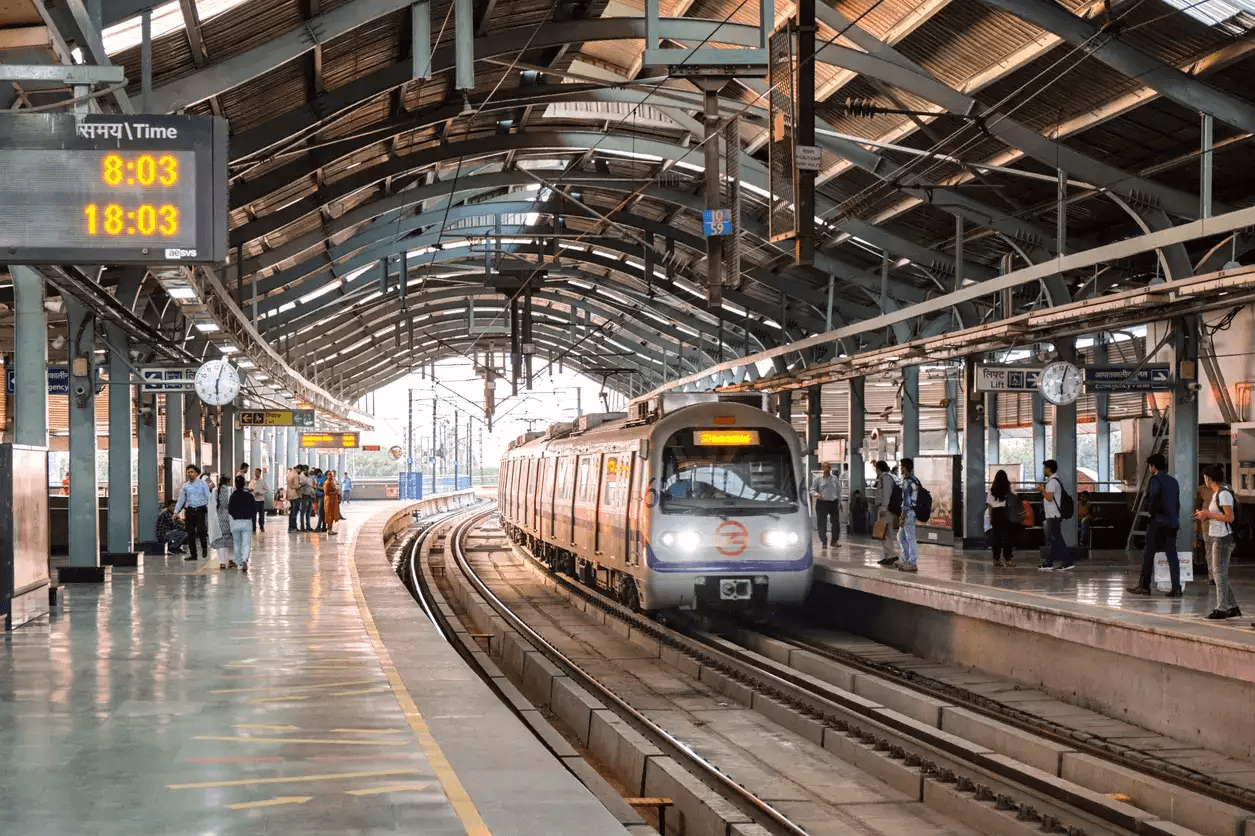
Delhi’s urban transport map is set for another major recalibration after the Union government cleared a fresh multi-crore investment package to extend the capital’s metro network, reinforcing rail-based mobility as the backbone of future city growth. The approval, valued at over ₹3,300 crore, is not merely an infrastructure decision it signals how India’s largest metropolis intends to balance expansion, sustainability and equitable access in the years ahead.
The funding enables new corridors and system upgrades under the next phase of the Delhi Metro’s expansion programme, with planned links expected to serve both densely populated neighbourhoods and emerging growth clusters. For a city grappling with congestion, air pollution and uneven access to opportunity, each additional kilometre of metro track carries economic and environmental weight.
Urban economists highlight that Delhi’s productivity losses from traffic congestion and air quality-related health issues run into thousands of crores annually. Rail-based mass transit offers one of the few scalable solutions capable of reducing both commuter travel times and vehicular emissions at city scale. The latest clearance reinforces a policy shift that increasingly favours transit-led development over road-centric urban sprawl.
Industry experts also point to the real estate implications. Metro connectivity has consistently reshaped land values and development patterns across the National Capital Region. With every new corridor, previously peripheral zones gain market visibility, while older commercial hubs witness densification. However, planners caution that connectivity must be matched by zoning reform and affordable housing provisions to prevent displacement and speculative price inflation.
The approved outlay is expected to generate significant multiplier effects. Apart from construction employment, it supports a wide supplier ecosystem — from rolling stock manufacturers and signalling firms to energy systems and civil engineering contractors. In a capital where service-sector dominance often overshadows industrial activity, metro expansion quietly sustains a robust urban infrastructure economy.
Sustainability remains a central thread in this phase of growth. Delhi Metro’s rising share of renewable energy sourcing, regenerative braking systems and energy-efficient stations position it among the greener urban rail networks globally. Transport analysts argue that such investments are no longer optional features but prerequisites as Indian cities align infrastructure with climate commitments and investor expectations. The timing is equally notable. With Delhi’s population continuing to rise and suburbanisation pushing daily commute distances outward, mass transit capacity must grow faster than travel demand to avoid a lock-in to high-carbon mobility. The expansion is therefore as much about future-proofing the city as addressing today’s congestion.
Yet challenges remain. Project execution timelines, inter-agency coordination, and last-mile integration will determine whether the new corridors translate into actual modal shift. Urban planners emphasise that without safe pedestrian access, feeder buses and cycling infrastructure, metro stations risk becoming isolated nodes rather than true mobility hubs. Looking ahead, the latest Delhi Metro expansion approval marks another step in the city’s transition towards a lower-carbon, people-first transport system. The real test, however, will lie not in kilometres added but in how seamlessly this growing network integrates with the everyday lives of citizens shaping a capital that moves more efficiently, inclusively and sustainably.
Delhi Metro expansion reshapes urban mobility landscape