


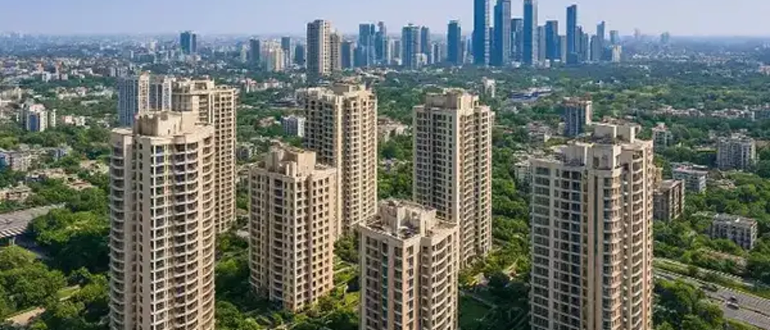
Delhi-NCR is entering 2026 with a level of real estate momentum rarely sustained across both residential and commercial segments at the same time. What sets the region apart is not a single asset class or speculative cycle, but the synchronised progress of transport infrastructure, housing demand and employment-driven office growth across multiple urban corridors. Together, these factors are reinforcing Delhi NCR real estate growth as one of the most structurally resilient in the country.
Over the past year, infrastructure delivery has moved from planning to execution across key nodes. New expressways, metro extensions and airport-led development around the western and southern edges of the region have unlocked fresh micro-markets while strengthening existing ones. Urban planners note that corridor-based expansion has reduced pressure on legacy city cores, allowing housing, jobs and mobility to evolve in tandem rather than in isolation. Residential markets reflect this shift. Housing supply expanded sharply across Gurugram, Noida and Ghaziabad, with new launches concentrated along established infrastructure spines such as Dwarka Expressway, New Gurugram and the Noida-Greater Noida belt. Importantly, industry data suggests demand has been led primarily by end-users rather than short-term investors. Rising rental costs have nudged many households towards ownership, particularly in well-connected suburban locations where social infrastructure is already functional. Price trends point to steady, broad-based appreciation rather than speculative spikes. Capital values have climbed faster in premium submarkets, while mid-income housing continues to dominate overall volumes. Analysts say this balance is critical for long-term market health, ensuring affordability pressures do not outpace income growth. Rental values have also firmed, especially in high-quality developments near employment hubs, supporting more sustainable yield expectations. Commercial real estate has added another layer of strength. Office leasing activity remained robust through late 2025, driven by technology services, professional firms and flexible workspace operators. Improved connectivity along expressway corridors has shifted occupier preference towards decentralised locations, particularly in Noida and Gurugram. Retail real estate has also shown renewed traction, with high-street formats outperforming as footfall stabilises and consumer spending recovers.
From an economic standpoint, the region’s growing appeal to global capability centres and domestic corporates is reinforcing a virtuous cycle. Job creation supports housing demand, while improved housing supply helps employers attract talent. Urban economists argue this integration is what differentiates Delhi NCR real estate growth from more fragmented markets elsewhere. Sustainability considerations are increasingly shaping development choices. Newer projects are being planned with greater attention to transit access, energy efficiency and mixed-use design, reflecting both regulatory signals and buyer expectations. However, experts caution that continued growth will depend on consistent infrastructure maintenance, water management and governance coordination across state boundaries.
Looking ahead, Delhi-NCR’s challenge is not demand but delivery. If infrastructure timelines remain aligned with development and affordability is protected across segments, the region is well placed to remain a national benchmark for integrated urban expansion through the rest of the decade.
Also Read: Sobha Q3 performance reflects margin pressure phase
