


Mumbai’s residential real estate sector marked a notable moment in its sustainability journey this week as a long-established private developer aligned a corporate milestone with a city-scale environmental intervention. To coincide with four decades of operations in Mumbai, the developer initiated a large plantation exercise in the western suburbs, signalling how environmental responsibility is increasingly being framed as part of long-term urban development rather than corporate celebration.
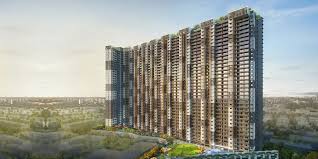
The plantation drive, conducted in Malad West, involved the planting of 4,000 saplings within a residential precinct and its surrounding open areas. Urban planners note that such initiatives gain significance in high-density neighbourhoods where tree cover has steadily declined due to redevelopment, infrastructure expansion and pressure on land. While individual drives do not offset structural ecological loss, they do contribute incrementally to Mumbai’s urban greening efforts, particularly when survival and maintenance are prioritised. Industry observers point out that the timing of the initiative reflects a broader recalibration underway in Mumbai’s real estate market. With regulatory scrutiny, climate risks and buyer preferences increasingly converging around sustainability, developers are being compelled to demonstrate environmental stewardship beyond statutory compliance. Tree cover, stormwater absorption and microclimate management are now being discussed alongside floor space indices and project yields. The Malad West site where the plantation was carried out forms part of a residential development designed with substantial open space allocation in one of Mumbai’s most congested corridors. According to planning experts, such projects illustrate a growing attempt to integrate green buffers and shared open areas within vertical housing formats. While amenities-driven housing has long dominated marketing narratives, access to usable green space is emerging as a functional urban asset, particularly in post-pandemic Mumbai.
From a civic perspective, community participation in the plantation process is also significant. Residents, future homeowners and local stakeholders were involved in the activity, reinforcing the idea that urban greening cannot remain a top-down exercise. Environmental researchers consistently highlight that sapling survival rates improve when local communities have a stake in maintenance, monitoring and long-term use of green areas. Mumbai’s development trajectory over the next decade will be shaped by how effectively private capital aligns with public environmental priorities. The city’s climate resilience plans emphasise urban forestry as a tool to mitigate heat stress, improve air quality and enhance liveability in dense wards. Real estate-led plantation initiatives, when embedded into project planning rather than treated as standalone events, can support these objectives.
As Mumbai continues to densify, the challenge will be to ensure that urban greening becomes an integral layer of development economics rather than an occasional milestone marker. The effectiveness of such initiatives will ultimately be measured not by numbers planted, but by how well they contribute to a more resilient, inclusive and environmentally balanced city.
Also Read: Mumbai Project Registrations Reach Five Year Low
Mumbai Chandak Group urban greening milestone signals
