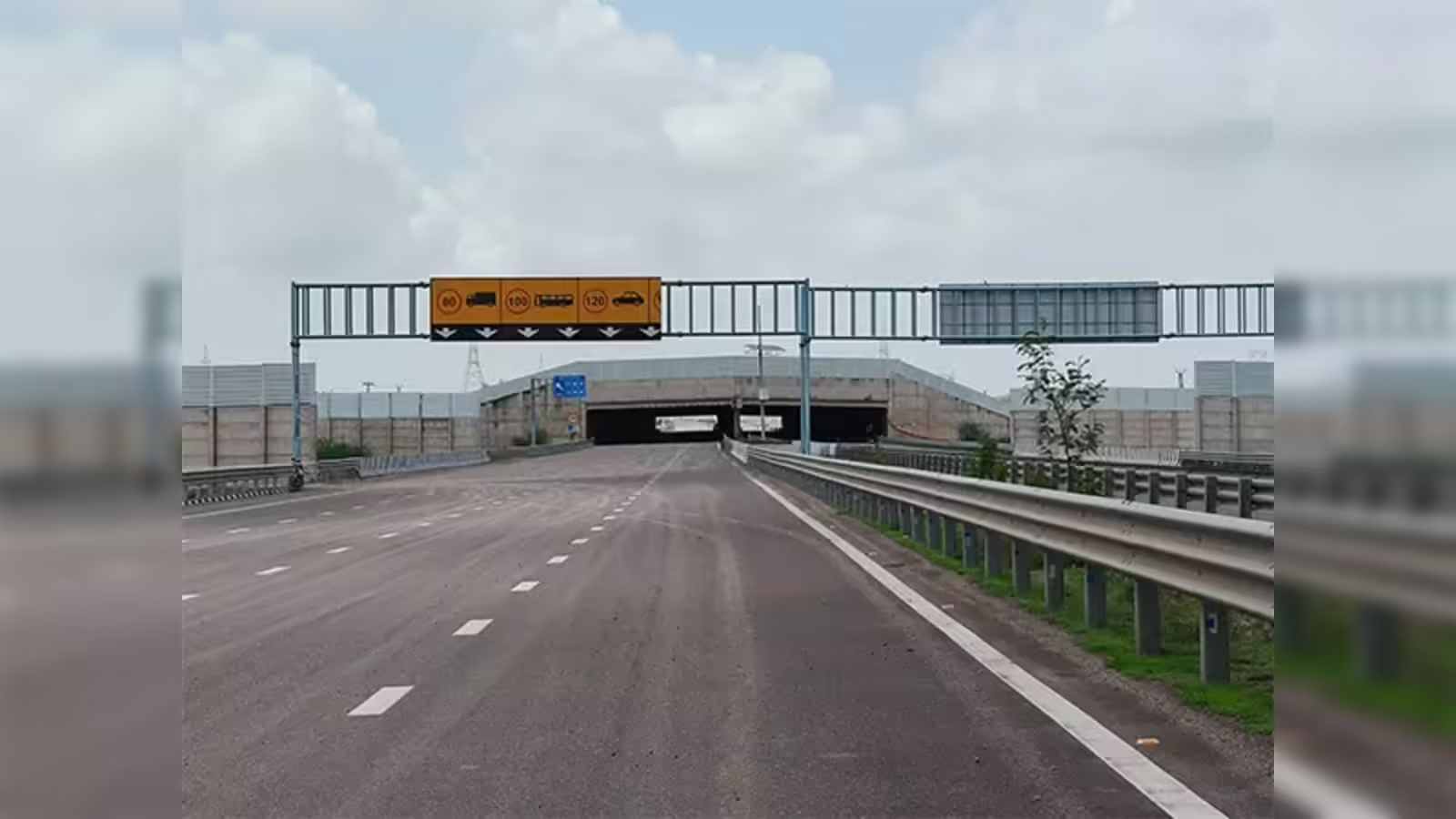
The Delhi High Court has cleared the way for the National Highways Authority of India (NHAI) to proceed with terminating a delayed construction contract on a key section of the Delhi–Mumbai Expressway, reinforcing the principle that public mobility and national infrastructure timelines take precedence over prolonged contractor disputes. The decision relates to a 35-kilometre package of the expressway where construction progress has remained significantly behind schedule.
The ruling holds importance beyond a single contract. The Delhi–Mumbai Expressway is among India’s most consequential transport corridors, designed to reduce travel time, fuel consumption and logistics costs between the national capital and the country’s financial centre. Any delay on unfinished sections disrupts traffic flow, forces detours and undermines the environmental and economic benefits that high-speed corridors are intended to deliver. In this case, NHAI had issued a formal notice signalling its intent to end the agreement with a Pune-based infrastructure contractor citing prolonged delays. The contractor challenged the move, arguing that additional time would allow work to accelerate and warning that appointing a new agency could itself slow progress. While a lower court initially paused the termination process, the division bench has now allowed the highway authority to move ahead, including floating fresh tenders if required.
Importantly, the court has placed interim safeguards to balance public interest with contractual fairness. While NHAI has been permitted to initiate termination and re-tendering for the affected package, it has been restrained from encashing performance guarantees and insurance securities until related proceedings before the single judge are concluded. Legal experts view this as an attempt to prevent irreversible financial damage while ensuring construction does not remain stalled. The delayed package forms part of a larger stretch of the expressway where the same contractor holds multiple contracts. According to submissions made before the court, slow progress on these segments has forced vehicles to exit completed portions of the expressway and navigate older, congested roads—diluting the project’s purpose of providing seamless, low-emission long-distance travel.
Senior officials familiar with highway execution said the authority is also reviewing performance on other sections handled by the contractor, with corrective notices expected to be issued. Such “cure period” notices typically allow firms a defined window to rectify breaches before termination is formally invoked. From an urban and environmental planning perspective, timely delivery of access-controlled expressways is central to reducing freight delays, lowering vehicular emissions per trip and supporting decentralised economic growth across regions. Prolonged construction zones, by contrast, increase fuel wastage and safety risks for road users.
As India accelerates investment in climate-resilient transport infrastructure, the case underscores a broader shift in project governance—where accountability, execution discipline and public utility are being weighed more heavily than contractual continuity. The next steps will determine how quickly this stalled section can be completed and reintegrated into the larger Delhi–Mumbai Expressway network.
NHAI Moves to Reassign Delayed Expressway Package