


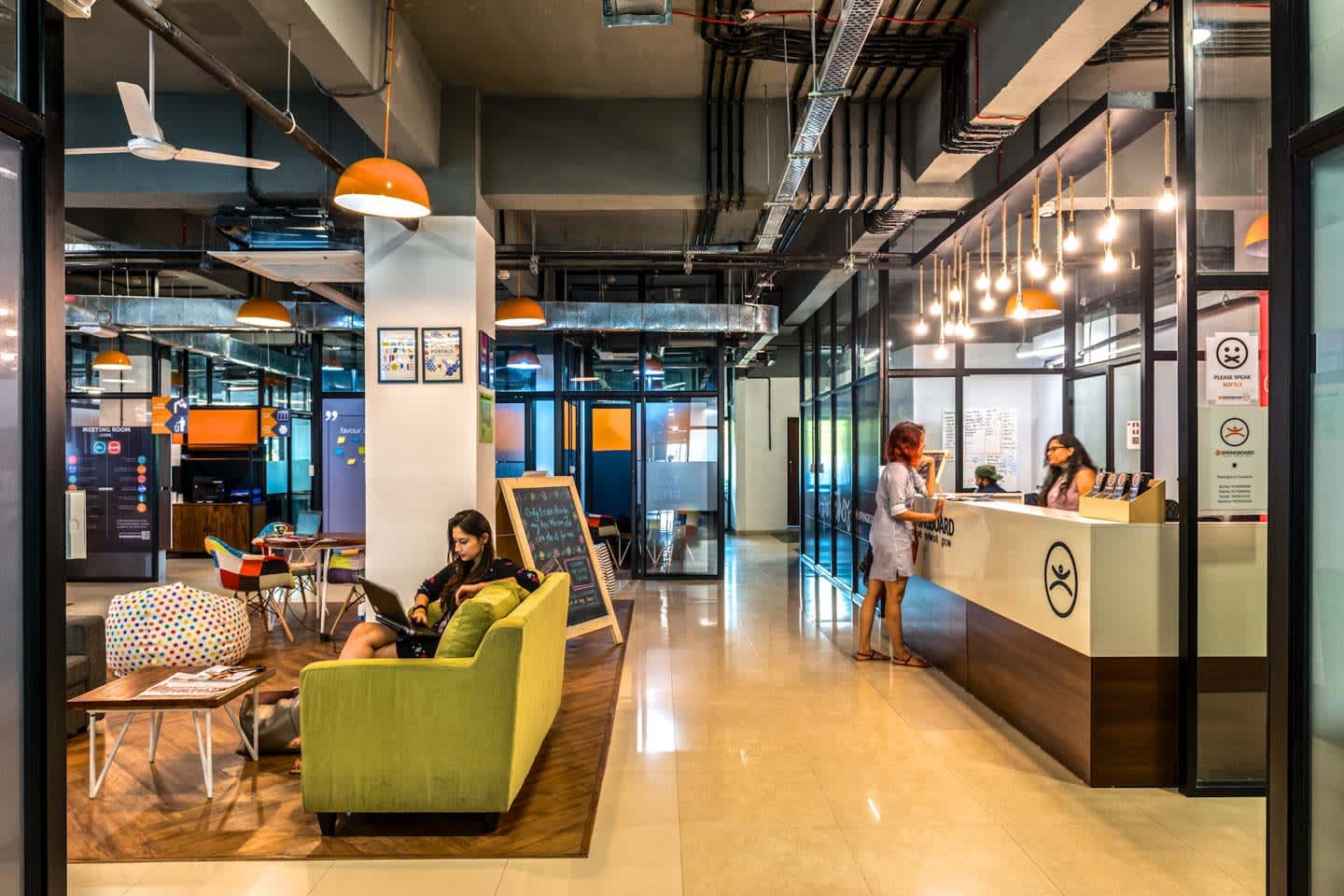
Mumbai’s western suburbs have witnessed a significant commercial real estate transaction, underscoring renewed confidence in office assets outside traditional central business districts. A city-based real estate firm has completed a Rs 2.83 billion acquisition of office premises in Santacruz, a location that has steadily emerged as a spillover market for the nearby Bandra-Kurla Complex (BKC). The deal highlights a broader shift towards ownership consolidation and long-term positioning in transit-connected business zones.
The acquired offices are located within one of Santacruz’s established commercial clusters, benefiting from proximity to BKC, the Western Express Highway, and upcoming metro connectivity. Industry experts note that such transactions are less about short-term yield and more about creating operational efficiency through unified ownership, especially in micro-markets where fragmented holdings have historically limited redevelopment or repositioning potential. The Mumbai office market has been undergoing structural recalibration over the past three years. While BKC continues to command premium rentals, rising occupancy costs and limited supply have pushed occupiers and investors to adjacent districts such as Santacruz, Kurla, and Andheri East. According to market analysts, these areas now function as integrated extensions of Mumbai’s core office geography rather than secondary locations. A senior real estate consultant familiar with the transaction said consolidation-driven acquisitions are becoming more common as asset owners seek tighter control over leasing strategies, building upgrades, and sustainability retrofits. “Single-owner office assets are easier to reposition for energy efficiency, modern workplace standards, and long-term tenant retention,” the consultant noted, adding that institutional tenants increasingly prefer such buildings.
From an urban development lens, the transaction reflects how Mumbai’s office market is aligning with infrastructure-led growth. Santacruz sits at the intersection of suburban rail, arterial roads, and planned metro lines, making it attractive for firms seeking shorter commute times for employees. Urban planners argue that strengthening office clusters in well-connected suburbs can reduce pressure on south Mumbai and BKC, easing congestion and supporting more balanced job distribution. The deal also points to evolving capital allocation strategies within India’s commercial real estate sector. With residential markets experiencing periodic volatility, office assets in resilient micro-markets are being viewed as long-term urban infrastructure plays rather than speculative investments. Analysts say this approach supports stable employment ecosystems and encourages reinvestment in building quality and environmental performance.
Looking ahead, continued consolidation in the Mumbai office market is expected, particularly in locations that combine accessibility, scale, and redevelopment potential. For Santacruz and similar corridors, such transactions may accelerate the transition towards greener, more efficient commercial buildings an outcome closely tied to Mumbai’s broader goals of climate resilience, inclusive growth, and sustainable urban expansion.
Also Read: Mumbai Region Affordable Homes Drive Keystone Sales
Santacruz Offices Signal Mumbai Business District Rebalancing
