


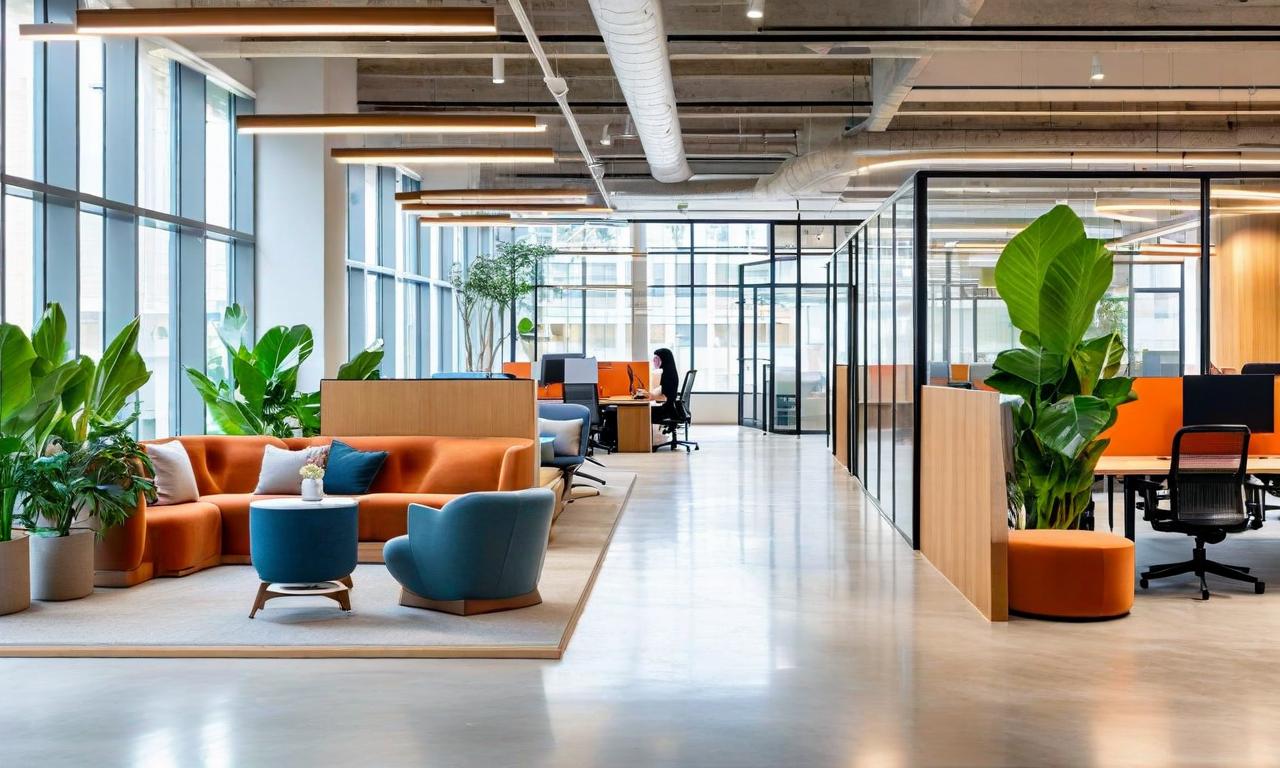
Bhubaneswar has taken another step towards consolidating its position as an emerging enterprise hub with the entry of a national workspace solutions operator, highlighting how India’s office market is steadily decentralising beyond traditional metros. The launch underscores growing corporate confidence in Tier II cities as viable destinations for talent-led growth, cost optimisation and sustainable urban expansion.
The company has opened a 45,000 sq ft managed workspace facility in Infocity, one of Bhubaneswar’s established technology clusters. This marks its first centre in the Odisha capital and expands its national network to 17 cities, reflecting a broader industry shift towards distributed office models. The move is aligned with rising demand from enterprises seeking flexible, plug-and-play infrastructure in cities offering a balance of affordability, workforce availability and improving urban services. Urban economists point out that Bhubaneswar’s appeal lies in its planned layout, expanding digital infrastructure and relatively lower pressure on housing and transport systems compared to larger metros. Over the past decade, the city has invested heavily in road connectivity, public services and technology parks, making it increasingly attractive for mid-sized firms and regional offices of larger corporations. The expansion also signals a strengthening of East India’s position in the national commercial real estate landscape. While Kolkata has long been the region’s primary office market, cities such as Bhubaneswar are now drawing interest due to policy support, lower operational costs and a growing base of skilled graduates. Industry experts note that this diversification reduces over-dependence on a handful of saturated markets and supports more balanced urban growth. Flexible workspace providers are playing a pivotal role in this transition. By lowering entry barriers for companies entering new cities, they enable firms to test markets, build teams and scale operations without long-term capital commitments.
This model is particularly relevant as organisations rethink workplace strategies in response to hybrid work patterns and evolving talent mobility. Financial disclosures from the operator indicate steady revenue generation alongside ongoing expansion, suggesting that demand for managed offices remains resilient despite broader economic uncertainties. Recent long-term leasing activity by global financial institutions in major metros further points to sustained confidence in flexible and serviced office formats as part of corporate real estate portfolios. From an urban development perspective, the entry of organised workspace players can have multiplier effects. It supports local employment, boosts utilisation of existing commercial districts and encourages ancillary services such as public transport, retail and housing. Urban planners caution, however, that such growth must be accompanied by investments in sustainable mobility, energy-efficient buildings and inclusive public spaces to avoid repeating the congestion challenges seen in larger cities.
As Bhubaneswar positions itself as a competitive alternative within India’s office market, the focus will increasingly be on how effectively infrastructure, governance and private investment align. The city’s ability to integrate commercial expansion with long-term liveability and climate resilience will determine whether this momentum translates into durable urban and economic gains.
Also Read: Bengaluru Infrastructure Landscape Expands Beyond Core Builders
Bhubaneswar Gains Ground In India Workspace Expansion
