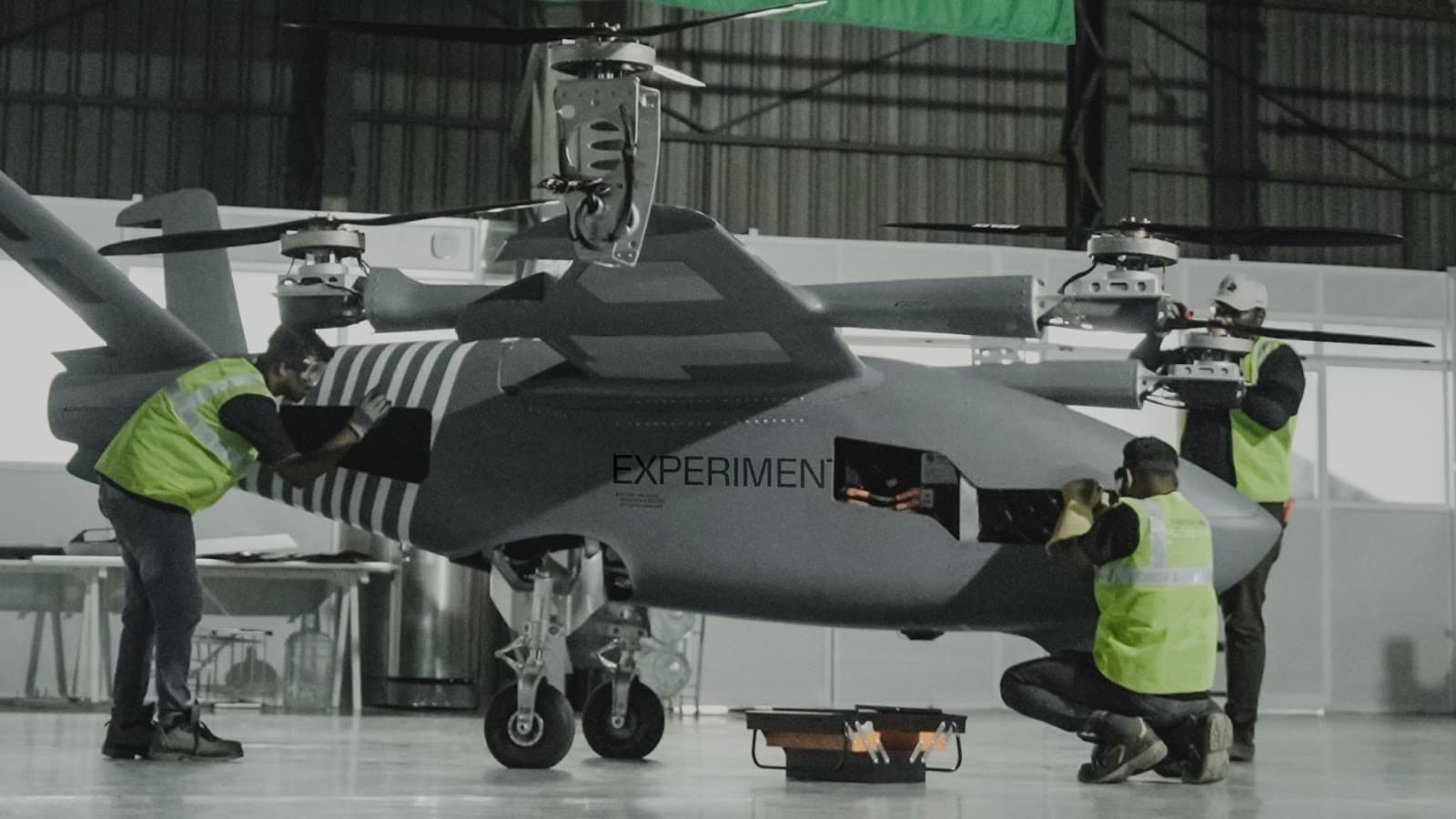
Urban air mobility in India is moving from concept to early-stage reality as a Bengaluru-based aviation startup begins ground testing of an electric vertical take-off and landing aircraft, a development that could eventually reshape travel in congestion-heavy cities such as Delhi and Mumbai. The milestone signals growing confidence in electric aviation as a viable addition to urban transport networks, particularly where road capacity has reached its limits.
The company’s half-scale eVTOL demonstrator has entered structured ground trials to assess propulsion, structural integrity and safety systems. According to aviation experts, this phase is critical in validating whether electric aircraft can withstand the operational demands of dense urban environments. While commercial deployment remains several years away, the tests mark a tangible shift from design-stage ambition to physical aircraft development. For Delhi and Mumbai, the implications are significant. Both cities lose millions of productive hours each day to traffic congestion, albeit for different reasons. Delhi’s sprawl results in long, unpredictable commutes, while Mumbai’s constrained geography and population density create daily choke points. Urban planners suggest air taxis could complement existing transport by enabling rapid cross-city travel, particularly for time-sensitive journeys.
Electric air taxis are designed to operate without direct emissions, aligning with broader clean mobility goals. Transport analysts note that while the overall impact on air quality will depend on scale and integration, even limited adoption could reduce pressure on road infrastructure. This is particularly relevant for Delhi, where transport-related emissions remain a major contributor to poor air quality.Airport connectivity is another area where urban air mobility could deliver immediate value. Reaching major airports during peak hours is a persistent challenge in both cities, often leading to delays and missed flights. Industry experts argue that point-to-point aerial services could offer predictable travel times for business travellers, provided pricing remains competitive and airspace management is robust.
The startup has secured around $13 million in funding, which officials say will be directed towards building a full-scale static aircraft and engaging with national mobility platforms. This investment reflects rising investor interest in sustainable aviation technologies, even as regulatory frameworks for low-altitude urban flight continue to evolve. Policy specialists caution that widespread adoption will depend on coordinated planning between aviation regulators, city authorities and infrastructure agencies.
Issues such as vertiport locations, noise management and equitable access will shape public acceptance. Without careful integration, air taxis risk becoming a premium service rather than a meaningful urban solution. Nevertheless, the progress underscores a broader shift in how Indian cities are rethinking mobility. As Delhi and Mumbai search for low-carbon, space-efficient transport options, electric air taxis are emerging as a long-term possibility rather than a distant idea, offering a glimpse of a future where urban growth and cleaner mobility advance together.
Delhi Mumbai Air Taxis Near Reality As Sarla Aviation Begins EVTOL Testing