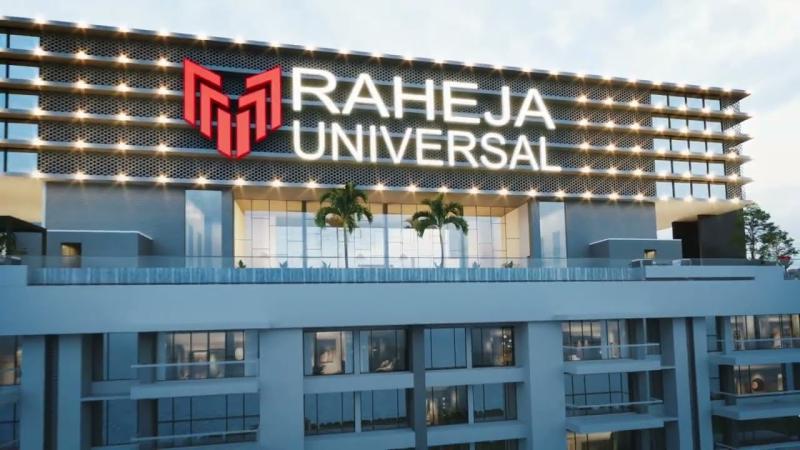
Real estate development across the Mumbai Metropolitan Region (MMR) is undergoing a strategic shift, moving away from isolated luxury projects towards large, integrated urban ecosystems that combine housing, workplaces, retail, and social infrastructure. This transition reflects both mounting congestion in the core city and the emergence of transformative infrastructure that is reshaping the region’s economic geography.
A senior real estate executive heading a long-established Mumbai-based development firm said the company’s journey mirrors the evolution of the MMR itself. In its early decades, the focus was on delivering premium residential and commercial projects in established parts of Mumbai, driven by trust, quality, and location advantage. These developments catered to high-value demand in South, Central, and Western Mumbai at a time when land availability, though limited, was still manageable. However, rising density, infrastructure strain, and land scarcity have since forced developers to rethink scale and geography. The strategic pivot towards Navi Mumbai, particularly emerging micro-markets such as Vashi NX, signals a broader decentralisation trend. “The future of urban growth lies in self-sustained nodes rather than linear expansion,” an urban development expert said, noting that infrastructure-led planning is now central to long-term value creation.
One of the most visible outcomes of this shift is the rise of large-format mixed-use districts designed around a work–live–play philosophy. Such developments aim to reduce daily commuting, improve productivity, and enhance quality of life by integrating offices, residences, leisure, and retail within walkable environments. For residents, this model translates into time savings and improved wellbeing; for businesses, it offers operational efficiency and talent retention. Global commercial branding has also emerged as a catalyst in this transition. Industry analysts note that the introduction of internationally recognised office platforms in Navi Mumbai is altering investor perception, positioning the region as a credible destination for foreign investment and multinational occupiers. Proximity to multimodal infrastructure, including ports, highways, and the upcoming international airport, further strengthens this appeal.
Sustainability is increasingly embedded into these new developments, not merely as certification-driven compliance but as a core planning principle. Developers are adopting passive design, energy-efficient systems, water recycling, and extensive green cover to address environmental pressures in a rapidly urbanising region. Experts argue that such measures are essential if MMR is to balance growth with climate resilience and social equity. Luxury housing demand, meanwhile, is being reshaped by younger founders, senior professionals, and overseas Indians seeking efficient, wellness-oriented living environments rather than standalone opulence. Integrated communities with professional management, health-focused amenities, and strong connectivity are becoming the new benchmark.
Looking ahead, planners believe MMR’s transformation into a multi-nodal metropolis will define its economic future. By aligning real estate development with transport infrastructure and sustainable urban design, the region has the opportunity to ease pressure on legacy business districts while creating inclusive, future-ready urban centres that support long-term growth.
Ashish Raheja On Shaping Future Ready Urban Ecosystems Across MMR Region