HomeCitiesLucknow Expressways Pass Global Ride Comfort Test Lucknow Expressways Pass Global Ride Comfort Test
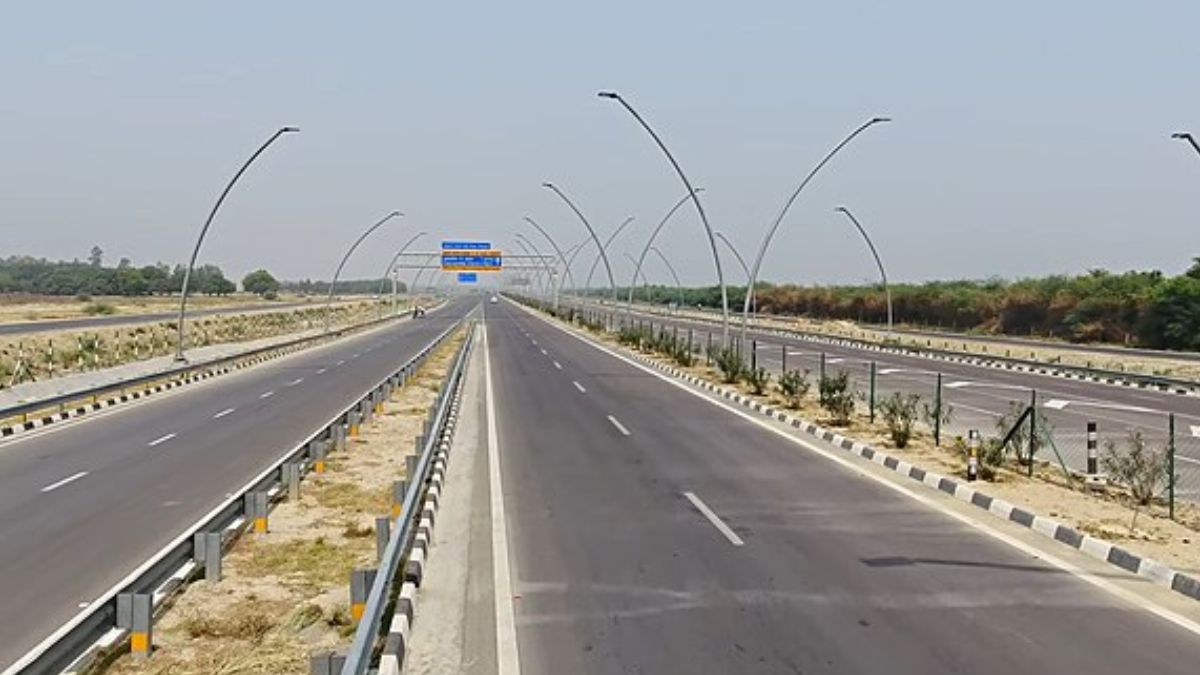
An independent international audit has given encouraging road quality ratings for two expressways in Uttar Pradesh, marking a significant milestone in the state’s expressway-led mobility expansion. The assessment — conducted on the Gorakhpur Link Expressway and a major completed stretch of the upcoming Ganga Expressway — found the riding comfort and pavement smoothness to be within top performance parameters. The findings are expected to reinforce confidence in long-term asset durability and commuter safety while supporting sustainable transit planning.
The Uttar Pradesh Expressways Industrial Development Authority (UPEIDA) commissioned technical specialists from a Switzerland-based university to measure asphalt quality using a dedicated test vehicle. According to an official involved in the review, the audit was not limited to visual or construction checks but covered scientific parameters such as vibration feedback and surface roughness across all lanes. The method relied on the globally recognised International Roughness Index (IRI), ensuring the results are comparable to best practices in countries known for advanced highway infrastructure. The 91-km Gorakhpur Link Expressway, inaugurated earlier this year, underwent multiple days of pre-opening tests across its four lanes. Findings for the full 180-km reviewed stretch categorised the road surface as “excellent,” indicating a high level of driving comfort and minimal corrective intervention required. Meanwhile, around 125 km of the 594-km Ganga Expressway — still under construction — was assessed and a consolidated report is expected soon. Civil works on the Ganga Expressway have crossed 93%, officials confirmed.
Experts say that scientific road audit systems can help reduce lifecycle emissions by decreasing repair frequency and material wastage. A transport consultant pointed out that highways with superior pavement smoothness not only reduce fuel consumption but also lower accident risks, especially for two-wheelers and heavy transport vehicles. “Quality is not just an engineering metric — it directly impacts environmental sustainability and accessibility,” the consultant noted. UPEIDA has directed the Swiss team’s spin-off firm, RTDT Laboratories AG, to extend the algorithm-based assessments to the Bundelkhand Expressway and the Agra–Lucknow Expressway. The data is being modelled to classify pavement conditions under four grades — excellent, good, acceptable and poor — enabling transparent maintenance planning. Authorities indicate that the model may eventually transition into a continuous monitoring system rather than a one-time inspection.
For commuters, logistics operators and regional businesses, smooth mobility corridors translate to shorter travel times, reduced wear and tear on vehicles and better freight reliability. If the early results hold true across the full network, Uttar Pradesh could emerge as a leader in high-quality highway infrastructure — an important step as cities and states move toward low-carbon logistics and sustainable urban–rural connectivity. The state’s next challenge will be ensuring that road quality is preserved over the expressways’ complete life cycle. Long-term maintenance budgets, climate-resilient road surfaces and transparent reporting will determine whether the current performance becomes a sustainable benchmark rather than a one-time achievement.
Lucknow Expressways Pass Global Ride Comfort Test