


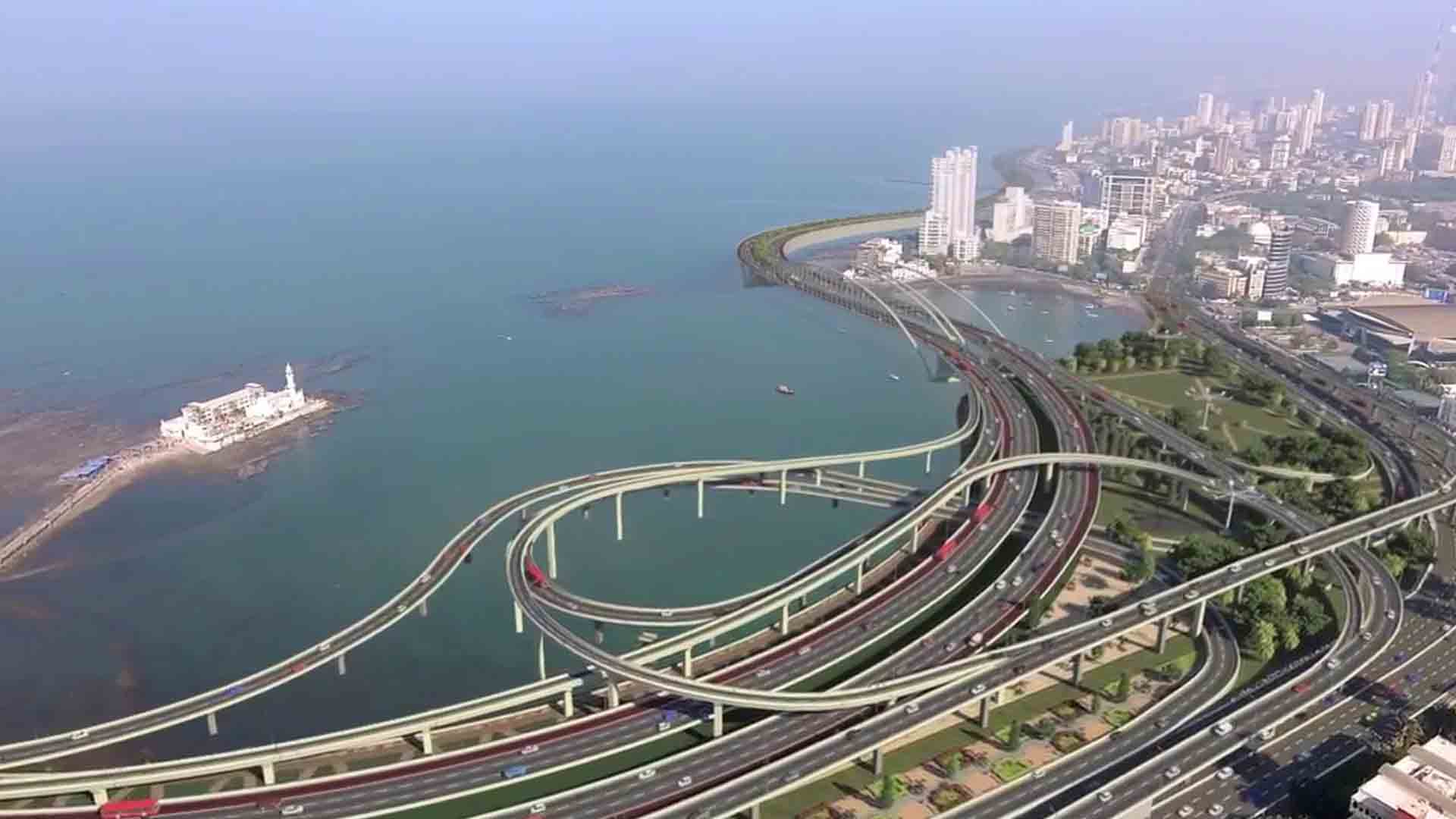
Mumbai’s civic administration is deepening its privatisation strategy, outsourcing a growing list of public services and infrastructure projects to private players under the Public-Private Partnership (PPP) model. In the latest move, the Brihanmumbai Municipal Corporation (BMC) has entrusted the development of reclaimed land along the 10.58-kilometre Coastal Road to a major private conglomerate, in a project valued at over ₹400 crore.
Officials said the decision reflects a shift towards fiscal prudence, enabling the civic body to conserve public funds and leverage corporate efficiency. Inspired by a corporate-led initiative to maintain parts of the Coastal Road stretch, the BMC’s decision signals a widening adoption of PPP frameworks for both large-scale infrastructure and everyday municipal services. Over the past two years, the BMC has outsourced operations ranging from parking management and smart mobility apps to swimming pool upkeep, cycling tracks, and sports complexes. Even non-core functions in nine peripheral hospitals have been delegated to private operators. Officials argue that such collaborations allow the administration to focus on flagship projects — including the extension of the Coastal Road up to Dahisar, the Goregaon–Mulund Link Road, new sewage and desalination plants, and the massive citywide road concretisation drive — without overextending its budget.
Civic data shows that BMC’s financial reserves have steadily declined, with fixed deposits reducing from ₹91,690 crore in 2021–22 to ₹79,498 crore in the last fiscal year. While officials downplay any fiscal stress, they acknowledge the need for “strengthened resource management” as project expenditure increases. The PPP approach, they add, ensures cost-sharing and brings in revenue from advertising rights and profit-sharing mechanisms — parking contractors, for instance, remit 25% of their earnings to the civic body. Critics, however, caution that unchecked privatisation could dilute public accountability. Urban governance experts have pointed out that while PPP models can enhance efficiency, transparency remains essential, especially when public assets and essential services are involved. Activists have raised particular concerns about plans to operate civic hospitals in Govandi and Mankhurd through private partnerships, warning that such arrangements may reduce access to affordable healthcare for economically weaker citizens.
Civic officials, meanwhile, insist that privatisation is not an abdication of responsibility but a recalibration of resources. A senior BMC official stated that the recent outsourcing of swimming pool management was a pilot initiative, adding that successful models will likely be replicated across other services. As Mumbai’s civic landscape evolves, the challenge lies in striking the right balance between fiscal efficiency and social equity. The BMC’s growing reliance on private participation may help modernise the city’s infrastructure, but ensuring inclusivity and accountability will be critical to keeping Mumbai’s public services both sustainable and equitable.
Also Read : Mumbai BMC Pushes Privatisation Drive Outsourcing Civic Services Under PPP Model
