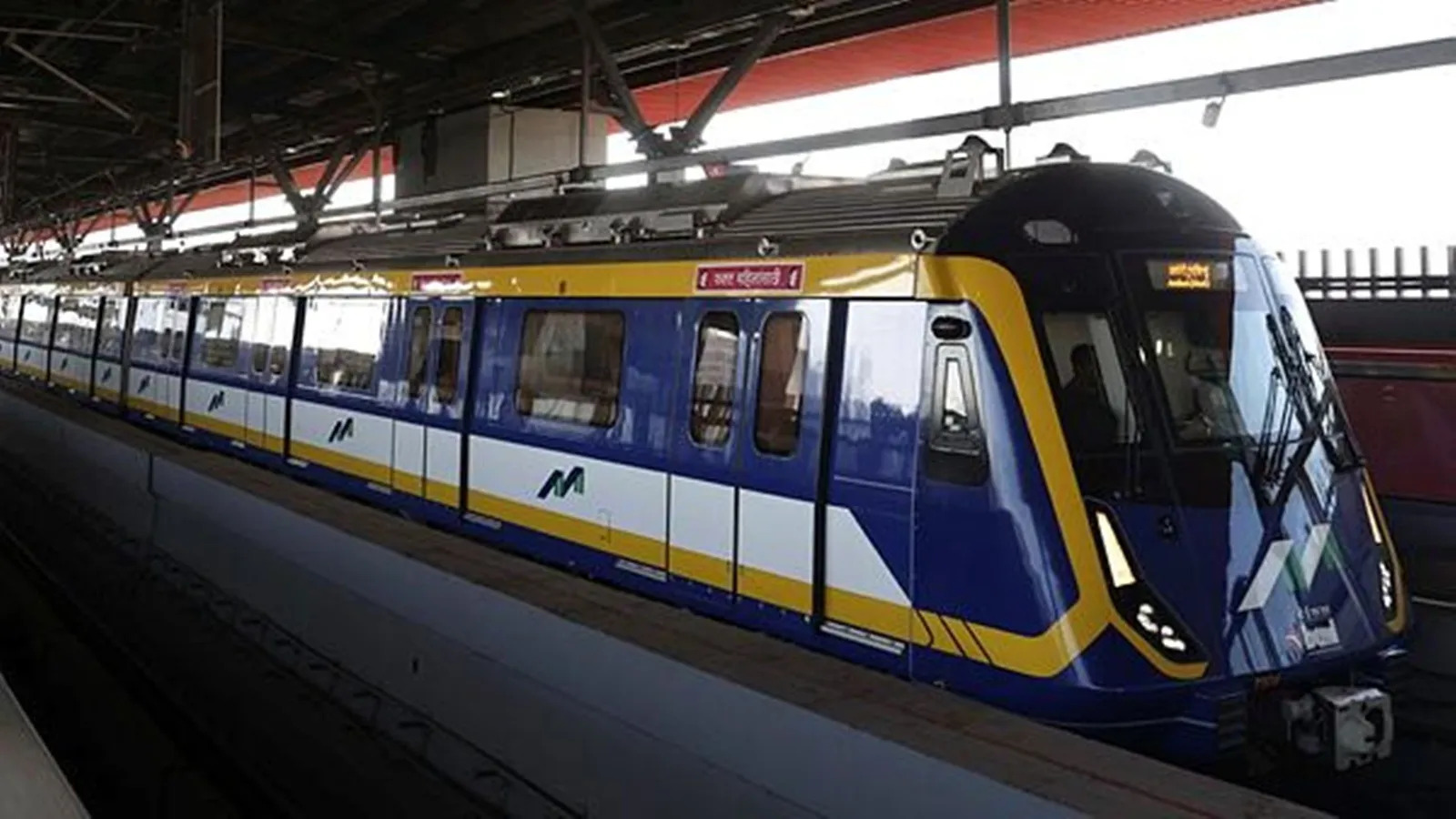
Mumbai Metro Line 12 brings faster, easier travel to Mumbai commuters
A new era of urban mobility is on the horizon for the Mumbai Metropolitan Region with the ongoing construction of Metro Line 12, an elevated corridor poised to drastically cut travel times and seamlessly connect key suburban and industrial hubs. The 22.17-km long line, stretching from Kalyan to Taloja, is an extension of the existing Metro Line 5. This project represents a significant stride towards creating a more sustainable, interconnected, and zero-net-carbon urban ecosystem, directly addressing the city’s long-standing challenges of traffic congestion and air pollution.
The development of Metro Line 12 is a strategic move to foster sustainable urban growth, as it will serve as a crucial link between the bustling suburbs of Kalyan-Dombivli and the burgeoning Navi Mumbai International Airport. This connectivity is expected to be a game-changer for daily commuters, potentially reducing their travel time by a remarkable 50% to 75%, depending on road conditions. The project is also designed for multimodal integration, connecting with Navi Mumbai Metro Line 1 at Taloja and the proposed Metro Line 14 at Hedutane, thus creating a more cohesive and efficient public transport network. This intricate web of connectivity will not only benefit daily commuters but also stimulate economic activity along its route.
With construction work, including piling and viaducts, already underway since March 2024, the project is progressing steadily. Reports indicate that a considerable portion of the structural work is now complete. The project is being executed under a 30-month EPC (Engineering, Procurement, and Construction) contract, with an ambitious target for completion by December 2027. This timeline, though subject to the complexities inherent in large-scale urban infrastructure projects, offers a clear path towards a more sustainable and accessible Mumbai.
The new metro line is expected to operate from 6 a.m. to 10 p.m., with a high-frequency service. Trains are projected to run every 5-7 minutes during peak hours and every 8-10 minutes during non-peak times. This high-frequency service model is a critical component of encouraging a shift from private vehicles to public transport, directly contributing to the city’s zero-net-carbon goals. The proposed fare structure is designed to be affordable, mirroring Mumbai Metro’s existing pricing model, with fares ranging from as low as ₹10 for short distances to ₹60 for the entire journey. This equitable pricing model ensures that the benefits of this modern transport system are accessible to all sections of society, fostering a more inclusive and equitable city.
The 19 stations along the route, from APMC Kalyan to Amandoot (Taloja), are strategically positioned to serve dense residential and industrial areas. This thoughtful placement is intended to maximize ridership and ensure that the metro line becomes a central artery of the city’s transport system. The integration of this line into the broader metro network is a testament to the city’s forward-thinking approach to urban planning, a model that prioritises public welfare and environmental health. Once operational, Metro Line 12 will not only ease the daily commute but also stand as a symbol of Mumbai’s commitment to building a greener, more livable city for generations to come.