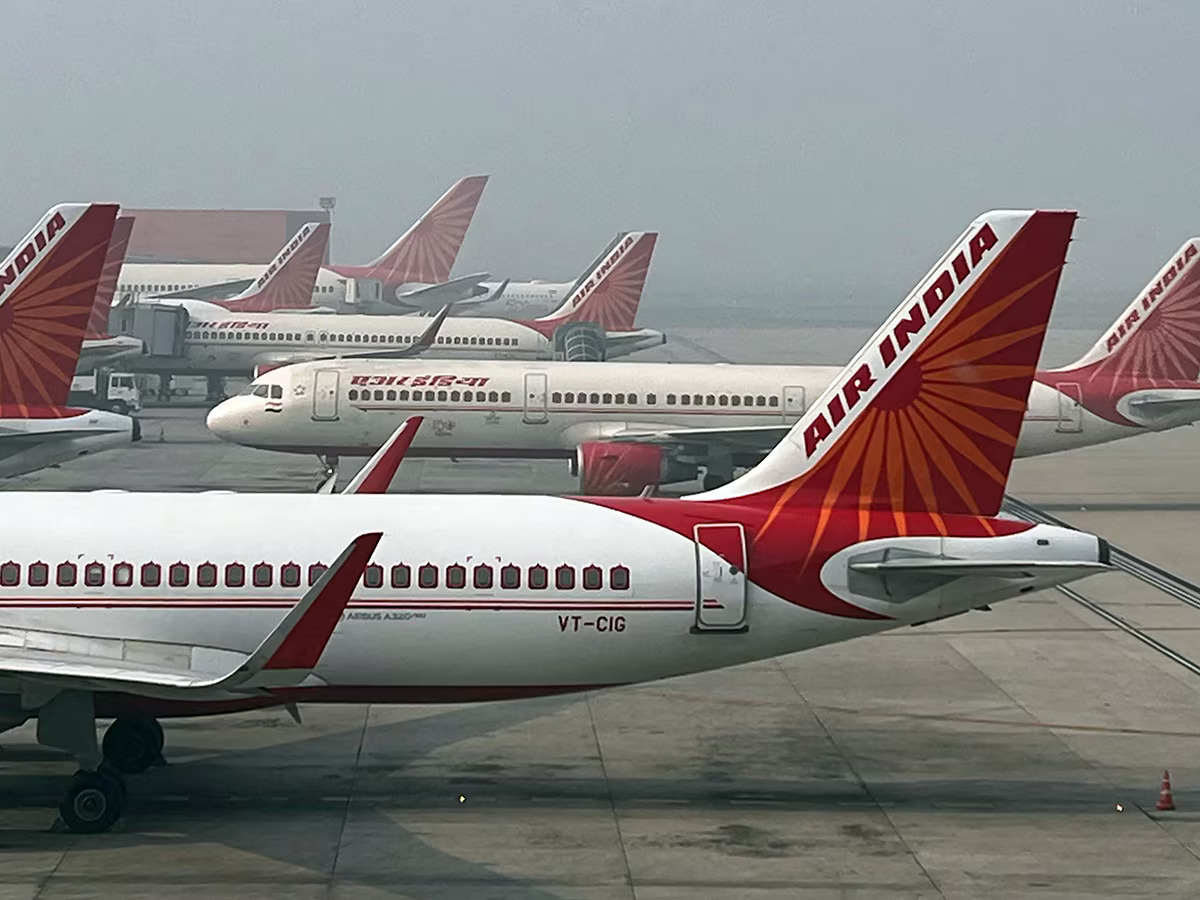
Indias Aviation Industry Rises with More Global Travel from Small Towns
India’s aviation landscape is undergoing a dramatic transformation, with a surge in international travel demand from smaller, non-metro cities reshaping the industry. Recent data from the Airports Authority of India reveals a robust 7% year-on-year increase in international passenger traffic in the first three quarters of the 2025-26 financial year. While major hubs like Delhi and Mumbai continue to see steady growth, the real story is the explosive expansion at regional airports. This democratisation of air travel reflects a fundamental shift in consumer aspirations and purchasing power, with a burgeoning middle class in Tier 2 and Tier 3 cities now viewing international journeys as an accessible reality rather than a distant dream.
The data underscores a sustained recovery in both domestic and international aviation markets following the pandemic-era slump. This outstanding growth is a result of a combination of factors, including strategic infrastructure enhancements, new international routes facilitated by bilateral air service agreements, and a concerted effort to improve visa processing. Notably, airports in cities like Bhopal, Pune, and Bagdogra have emerged as new international gateways, reporting staggering growth of 80%, 76.7%, and 72.4% respectively in international passenger traffic. These numbers demonstrate a clear pattern: a “new class” of globally mobile citizens is propelling the aviation sector to new heights.
This trend is also intrinsically linked to the national agenda of creating more equitable and sustainable urban centres. By decentralising air traffic and developing regional hubs, the government and airport operators are not only easing the pressure on congested metro airports but also catalysing economic activity in smaller cities. Improved connectivity boosts local economies, attracts investment, and enhances tourism, all while reducing the carbon footprint associated with multi-stop journeys. The development of greenfield airports and modernisation of existing facilities are being carried out with a focus on sustainable technologies and eco-friendly operations, ensuring that this growth is both robust and responsible.
While the overall outlook is overwhelmingly positive, the sector is not without its challenges. Geopolitical tensions and unforeseen disruptions, as seen at some airports, can have a significant and immediate impact on air traffic. However, the proactive approach of the Ministry of Civil Aviation, which includes a focus on infrastructure and capacity expansion, provides a strong foundation for continued growth. The industry’s momentum is expected to carry through the upcoming holiday and festival season, with domestic and international airlines eager to capitalise on this demand by adding new routes and increasing flight frequencies.
The expansion of India’s aviation network is more than just a business story; it is a narrative of a nation on the move. It symbolises the rising aspirations of millions, offering a pathway to global opportunities and connecting communities in an unprecedented manner. The focus on developing regional airports into international gateways is a powerful step towards building an inclusive, globally connected, and sustainable India.