


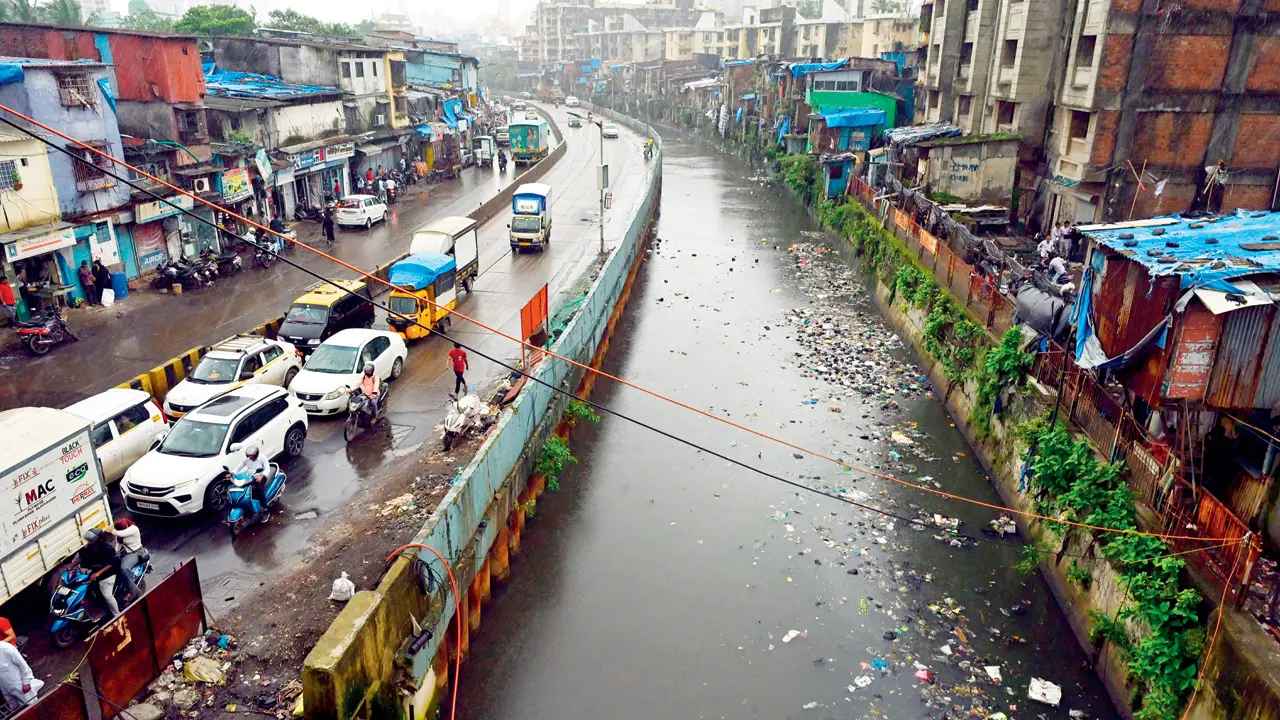
Mumbai’s civic authorities have announced the comprehensive revamp of 11 critical roads spread across Dadar, Mahim, and Dharavi. The initiative, part of a larger urban design pilot under the G North Ward, is intended to not only ease congestion but also reshape the city’s approach to walkability, safety, and street aesthetics. The roads identified for improvement fall within one of Mumbai’s most high-footfall zones — bustling with commuters, vendors, and local residents.
These areas, often notorious for traffic bottlenecks and pedestrian discomfort, will now undergo design-oriented transformations featuring dedicated pedestrian islands, high-visibility zebra crossings, standardised lane markings, and uniform street furniture such as railings and lighting. The plan has been drafted with the intent to complete the works by June 2026, well in advance of the monsoon season, to ensure minimal disruption to the public and optimal project delivery timelines. The pilot programme will serve as a model to evaluate how physical street infrastructure can influence movement behaviour and urban equity — a key indicator for future rollout across other municipal wards.
Civic officials explained that the revamp is aimed at creating seamless connectivity between residential neighbourhoods and commercial corridors. With rising footfall and mixed-use zones becoming increasingly common in central Mumbai, the city’s administration is pushing for safer, inclusive, and people-first mobility solutions. In alignment with recent drives to clear illegal hawkers and decongest zones around Dadar railway station, this project aims to complement enforcement with infrastructure, providing formal spaces that enable rather than restrict movement. Officials from the civic body highlighted that the existing condition of many roads in this region fails to meet urban design or safety standards, creating hazards not only for pedestrians but also for public transport and delivery vehicles.
Urban experts point out that the move is in sync with international trends that prioritise low-emission mobility, climate-resilient infrastructure, and equitable public access. They believe that pedestrian-centric upgrades are crucial for cities like Mumbai, where land scarcity and population density often create friction between formal and informal urban economies. If successful, the G North Ward model could become a template for scaling such interventions citywide. Authorities indicated that data on foot traffic, vendor clustering, and transport linkages will be collected throughout the project period to guide future development, ensuring that upgrades are evidence-based and community-responsive.
As Mumbai continues to grapple with ageing infrastructure and climate-linked challenges, projects like this one may redefine how the city reshapes itself — not just for commuters, but for its most everyday users: its pedestrians.
Also Read : Dharavi Redevelopment Survey Ends August 12 Deadline
