


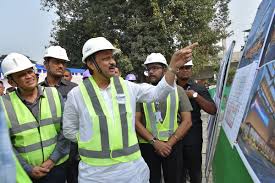
The Pune Metropolitan Region (PMR) is strategically positioned to evolve into a national-level growth hub, emphasising technology, manufacturing, education, and green mobility. Deputy Chief Minister Ajit Pawar recently announced this ambitious vision, framed within the guidelines of the NITI Aayog. This initiative is designed not only to propel economic growth, aiming to create 15 to 18 lakh jobs by 2030, including a substantial six lakh opportunities for women, but also to embed principles of zero net carbon, eco-friendly, and gender-neutral urban development.
The Centre’s proposal for 14 growth hubs in the 2024 Union Budget initially identified cities like Mumbai and Surat. Pune’s inclusion in this elite group is a testament to its inherent strengths: a robust information technology sector, burgeoning metro and ring road projects, established industrial corridors, and world-class educational and healthcare infrastructure. The Pune Metropolitan Region Development Authority (PMRDA) will provide crucial funding, while the Yashwantrao Chavan Academy of Development Administration (Yashada) will be instrumental in formulating the overarching planning framework, ensuring a holistic and human-centric approach to urban expansion.
Also Watch: “Mumbai will rock, shine and always be India’s best city to live.” In an exclusive, MHADA CEO Sanjeev Jaiswal (IAS) talks about Mumbai’s enduring charm, livability, and the government’s focus on making it affordable for all
The economic development plan for the PMR, to be crafted by Yashada and implemented by local bodies such as the Pune Municipal Corporation (PMC) and PMRDA, will strategically prioritise key development areas. These include cutting-edge fields like Artificial Intelligence (AI), Electric Vehicles (EVs), clean technologies, and semiconductors. The strengthening of existing industrial clusters in Chakan, Talegaon, and Ranjangaon will be undertaken with a renewed focus on sustainable industrial practices and reduced environmental impact, fostering cleaner production cycles. This targeted growth is expected to significantly contribute to a greener industrial footprint.
With over 800 higher education institutions, Pune is envisioned as a ‘skilling-export’ city, an innovative model that promotes human capital development and equitable access to advanced skills, especially for women. Beyond core industries, the plan also encompasses the development of heritage, agro, spiritual, and adventure tourism, diversifying the economic base while promoting cultural preservation and local livelihoods. The city’s commitment to improving the ease of doing business, enhancing skills certification, and attracting startups and foreign investment underscores a comprehensive strategy to create a vibrant, resilient, and inclusive urban economy. This integrated approach signals Pune’s resolve to lead by example in crafting cities that are not just economically dynamic but also environmentally conscious and socially equitable.
Also Read: Air India Flight AI 2744 Skids Off Mumbai Runway Amid Rain Today
