


KD Logistics, a prominent player in India’s logistics sector, is celebrating 20 years of operations, marking a significant journey from a nascent enterprise in 2005 to managing over 7 million square feet of warehousing space nationwide. This milestone underscores not only the company’s robust growth trajectory but also its foundational commitment to integrating technological innovation with deep-seated sustainability principles. As the firm steps into its 21st year, its sharpened focus on service quality, coupled with eco-conscious practices, positions it as a key enabler for India’s evolving urban economic landscape and its ambitious goals for a zero net carbon future.
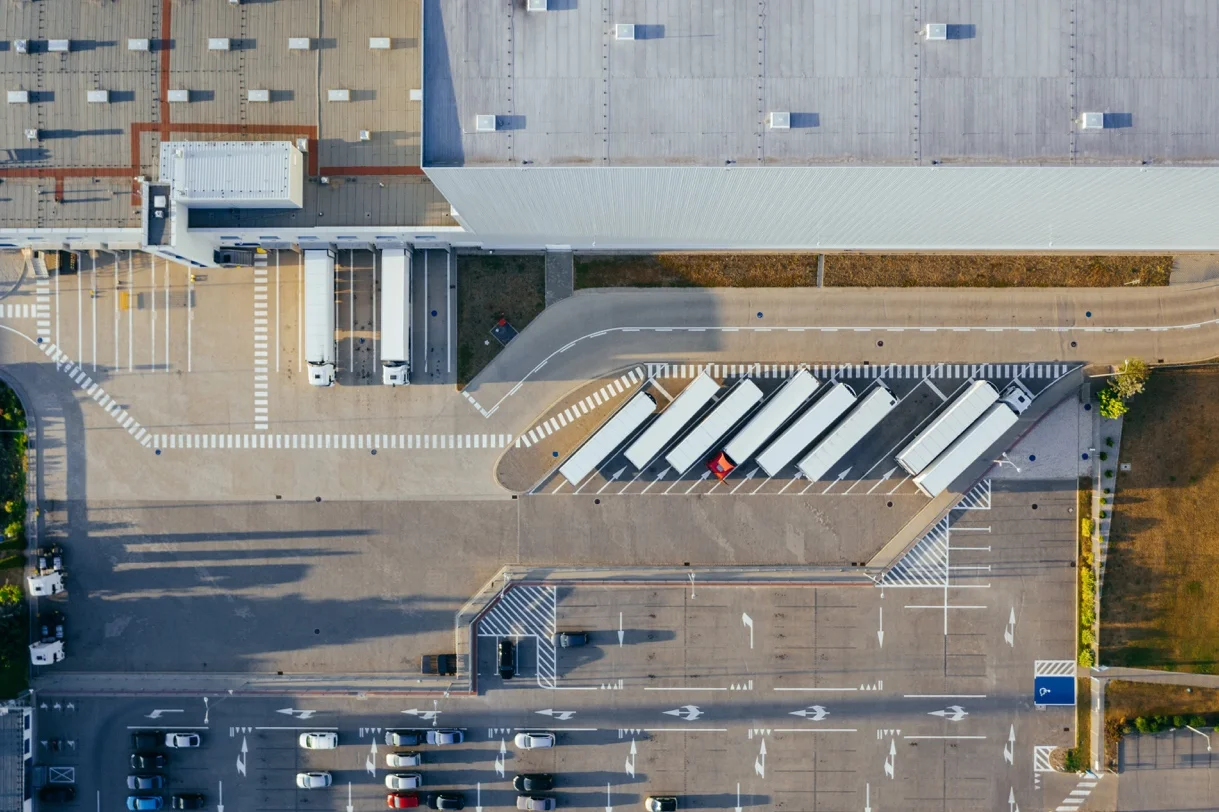
The company’s expansion from a single warehouse to a nationwide network of strategically developed logistics parks is a testament to its adaptive business model. These facilities, located near crucial consumption hubs in Bhiwandi, Bhopal, and Hyderabad, with upcoming developments in Delhi NCR, are designed not merely for scale but are meticulously aligned with leading industry standards for sustainability, safety, and operational efficiency. This proactive approach to infrastructure development directly addresses the growing demand for efficient supply chains that minimise environmental impact while supporting dynamic market needs and promoting a circular economy within urban ecosystems.
Central to KD Logistics’ operational prowess is its proprietary technology stack, comprising an in-house Warehouse Management System (WMS) and a Centralised Transport Management System (TMS). These platforms extend beyond basic tracking, incorporating smart alerts for productivity enhancement, optimising layouts using advanced models, and ensuring robust data security with seamless integration capabilities. Such technological sophistication translates into streamlined operations and greater transparency for clients, a crucial factor in building resilient and responsive supply chains that can adapt to the complexities of urban logistics and contribute to more efficient resource utilisation.
A defining characteristic of KD Logistics’ success has been its unwavering dedication to customer-centricity. The implementation of a regional leadership model empowers ground-level decision-making, facilitating rapid responses rooted in a profound understanding of client needs. This ‘customer-first’ ethos has cultivated enduring partnerships, evidenced by the company’s growth alongside existing clients, expanding from single-location engagements to multi-site operations. This collaborative approach fosters an environment of mutual respect and shared objectives, essential for a sustainable business model that serves diverse sectors and supports the equitable distribution of goods and services within cities.
Significantly, sustainability is not merely a recent addition to KD Logistics’ corporate strategy but has been ingrained in its operational DNA since inception. This commitment manifests in tangible initiatives, including the design of warehouses with skylights to maximise natural light and reduce energy consumption, the planning of smarter delivery routes to cut fuel usage, the deployment of CNG fleets, and pilot programmes for electric mobility. Furthermore, investments in rooftop solar panels and active tree-planting initiatives underscore a holistic approach to environmental stewardship, directly contributing to reduced greenhouse gas emissions and fostering cleaner, greener urban environments.
As KD Logistics embarks on its third decade, its vision remains anchored in strengthening customer partnerships, empowering its workforce, and delivering not just efficiency but transformative experiences. The company’s steadfast adherence to its mission of “Lighting lives of people, organizations, and communities by optimally facilitating the right product at the right place, at the right time” transcends commercial objectives. It reflects a deeper societal commitment, recognising that a truly efficient and sustainable logistics framework is fundamental to supporting thriving, equitable, and zero net carbon cities across India, fostering human well-being alongside economic prosperity.
Also Read: Mumbai Nears Completion of CSMT Subway Link to Metro 3
