


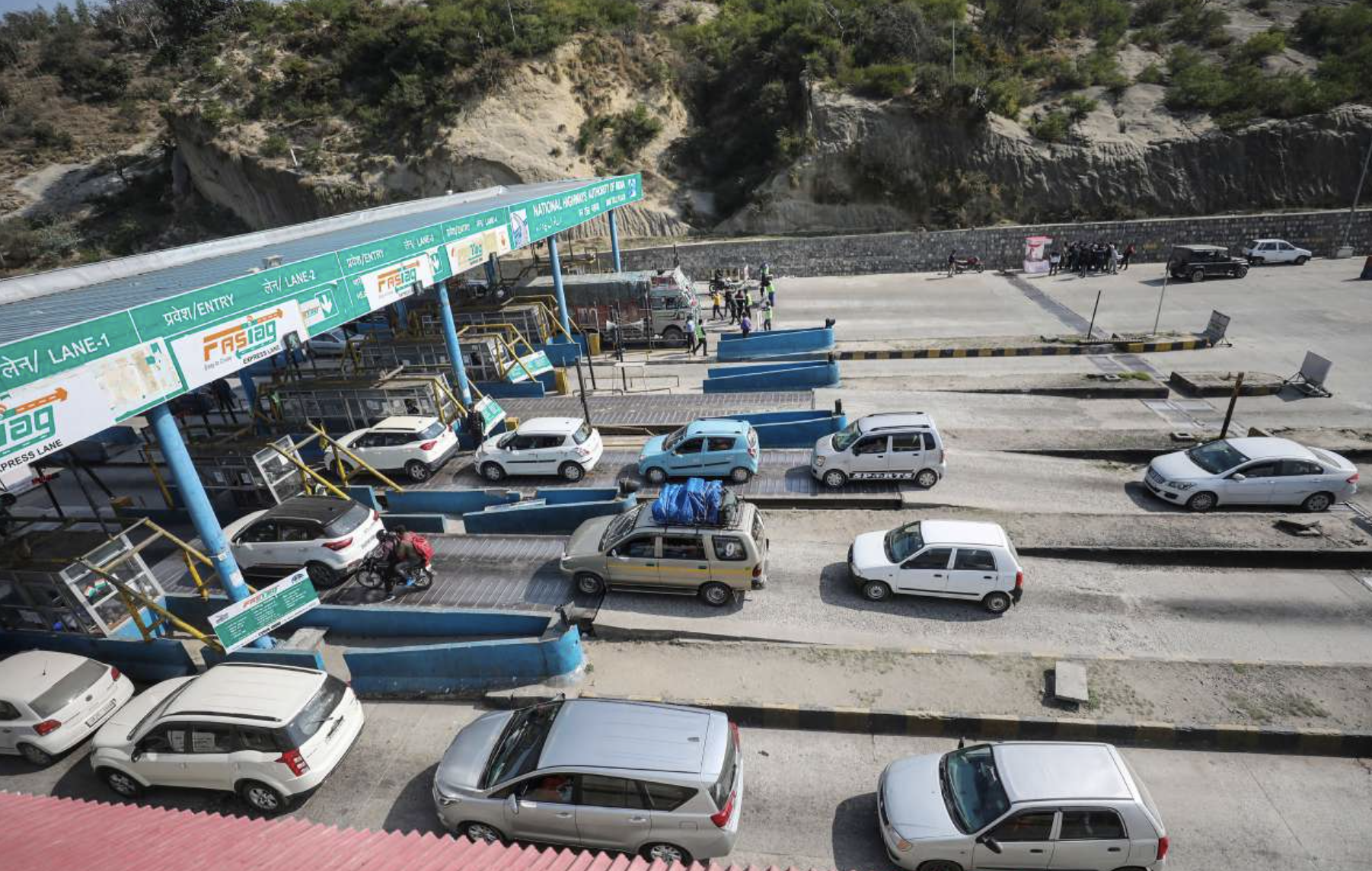
The Uttar Pradesh government has initiated an intensified drive to recover outstanding dues exceeding ₹650 crore from various highway toll management entities operating across the state. This significant fiscal exercise aims to channel crucial public funds towards enhancing vital infrastructure and bolstering social sector initiatives, underscoring a robust commitment to fiscal probity and equitable urban development.
The impetus for this extensive recovery operation stemmed from a high-profile case in Bhadohi, where a Delhi-based firm was found to have significantly underpaid stamp duty for a toll collection lease, remitting merely ₹100 against an estimated liability of ₹63 crore. This singular incident triggered a comprehensive audit by the state’s stamp and registration department, systematically uncovering the extent of pending recovery cases across numerous districts. The revelation of such substantial financial discrepancies has necessitated an urgent and decisive response from the state apparatus to safeguard public exchequer interests.
The ongoing audit by the stamp and registration department has identified a total of 95 instances of stamp duty evasion by various toll collection firms. The majority of these cases involve operators engaged in agreements with the National Highways Authority of India, though entities contracted by the Uttar Pradesh Expressways Industrial Development Authority for expressway toll collection are also implicated in outstanding payments. Of these 95 identified cases, 23 are currently sub-judice, navigating the complexities of the judicial system, while 72 cases are pending resolution before district collectors. Recovery proceedings have already been initiated against the promoters of 17 private agencies falling within this latter category.
The state administration has underscored that the anticipated recovered funds are earmarked for strategic reinvestment into public infrastructure upgrades and the vital funding of social welfare schemes. This direct allocation of recouped revenue promises tangible benefits for citizens, contributing to the development of better roads, essential public services, and improved quality of life across Uttar Pradesh. This proactive stance on fiscal accountability is paramount for fostering sustainable urban environments where public resources are managed with utmost transparency and directed towards collective societal betterment, aligning with the vision of zero net carbon and eco-friendly cities through responsible financial governance.
Delving into specific instances, a firm managing a section of the Meerut expressway reportedly holds the highest stamp duty dues, amounting to approximately ₹26 crore. Similarly, the operator responsible for the Lucknow–Rae Bareli national highway faces a demand of ₹10 crore. Intriguingly, a significant portion of the detected evasion, involving 15 out of the 95 implicated toll operators, pertains to agreements signed with the National Highways Authority of India on stamp paper valued at a nominal ₹100. However, departmental estimates indicate that these specific agreements alone necessitate a payment of ₹130.40 crore, highlighting a substantial and widespread under-declaration of liabilities.
While procedures for recovering these amounts had been initiated in some instances more than five years ago, the recovery drive gained considerable momentum only from October last year. This renewed urgency was spurred by a directive from the state government, urging district collectors to expedite the resolution of these long-pending cases. A pivotal legal precedent was set in July last year when the Supreme Court, while adjudicating a similar case originating from Madhya Pradesh, definitively characterised concession agreements between toll operators and the National Highways Authority of India as ‘leases’. This classification unequivocally established the liability of paying stamp duty based on the full agreement value, rather than merely the contract value, providing a robust legal framework for the current recovery efforts.
This concerted effort by the Uttar Pradesh government to reclaim these substantial public dues represents a crucial step towards strengthening governance and ensuring accountability within the framework of public-private partnerships. It sends a clear message to all entities operating within the state’s infrastructure landscape regarding adherence to financial regulations. The successful recovery of these funds will not only alleviate fiscal pressures but also serve as a critical injection of capital into projects that directly contribute to the creation of more resilient, gender-neutral, and equitable urban spaces, ultimately enhancing the overall well-being of the populace.
Also Read :Mumbai Commuters Welcome FASTag Annual Pass
