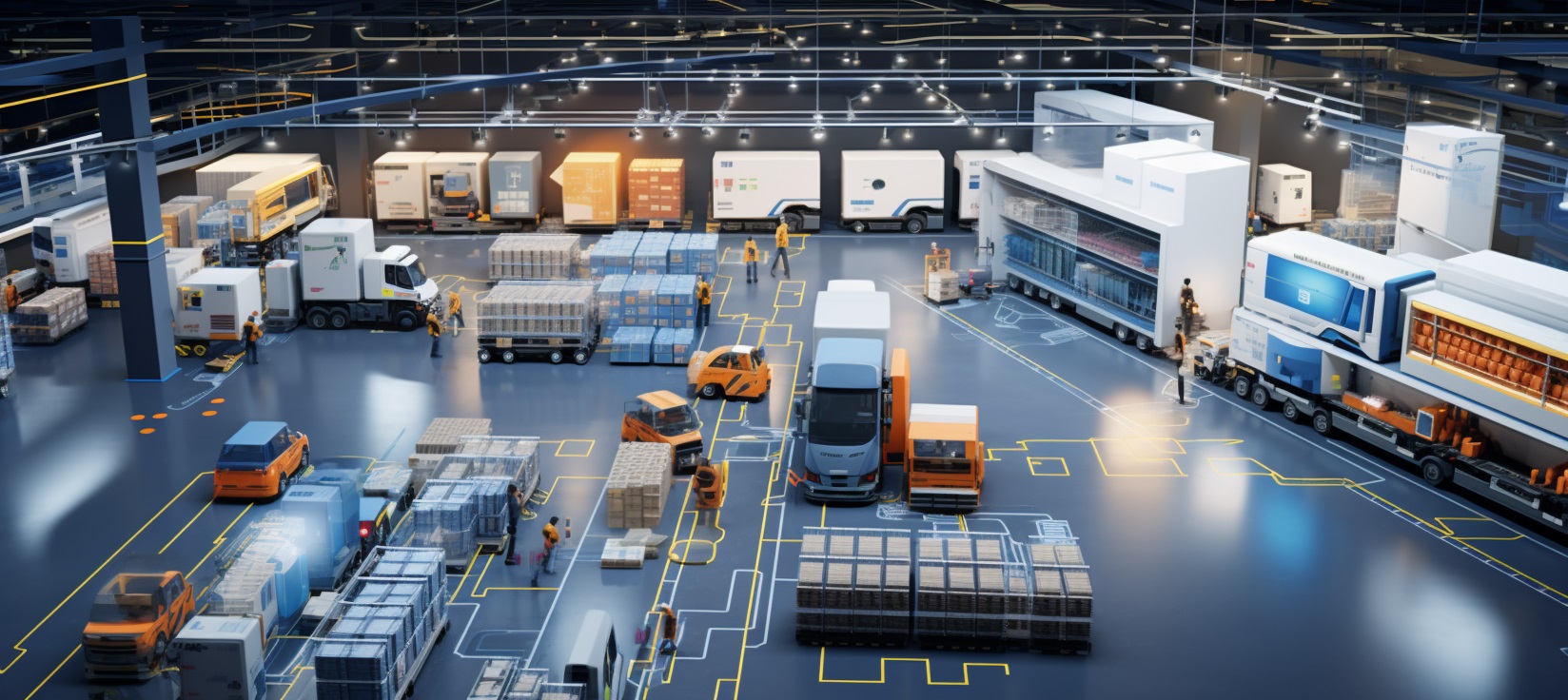
AI in Logistics Market to Reach $306 Billion by 2032
The global logistics industry is undergoing a seismic shift as artificial intelligence (AI) rapidly integrates into core supply chain operations. According to a new report by DataM Intelligence, the AI in logistics market, valued at US$15.28 billion in 2024, is projected to soar to an astonishing US$306.76 billion by 2032, marking a compound annual growth rate (CAGR) of 42% between 2025 and 2032.
This dramatic growth reflects the increasing reliance on intelligent systems to streamline operations across warehousing, inventory control, transportation, and customer service. As the global e-commerce sector continues its upward trajectory, logistics providers are racing to adopt AI tools to meet the demands of speed, accuracy, and agility in fulfilment.
Key industry players—such as NVIDIA, Amazon Web Services, UPS, DHL, Microsoft, Infosys, IBM, Intel, FedEx, and SAP—are investing heavily in AI technologies. Their strategies include launching smart warehousing systems, real-time data analytics platforms, and AI-driven demand forecasting models. These solutions are enabling businesses to automate routine tasks like sorting, picking, and route optimisation, while also equipping them to respond swiftly to disruptions.
At the operational level, AI is improving productivity through technologies like machine learning, computer vision, and natural language processing. These are being deployed to enable self-driving vehicles, robotic forklifts, predictive maintenance systems, and customer-focused services such as automated chat support and order tracking. With these advances, companies are not only reducing operational costs but also enhancing customer satisfaction and delivery reliability.
Cloud-based AI deployment continues to dominate, especially among small and medium-sized enterprises (SMEs), due to its scalability and cost-effectiveness. Meanwhile, larger enterprises often prefer on-premise solutions for more complex logistics infrastructure needs and data privacy concerns. Segment-wise, planning and forecasting remain the most lucrative application area, as businesses seek accurate insights into demand patterns and inventory needs.
Machine-human collaboration is also gaining ground, particularly in large fulfilment centres, where AI tools assist human workers in improving throughput and reducing error rates. As the industry moves toward AI-powered logistics ecosystems, the implications for job roles, environmental efficiency, and market competition will continue to unfold.