


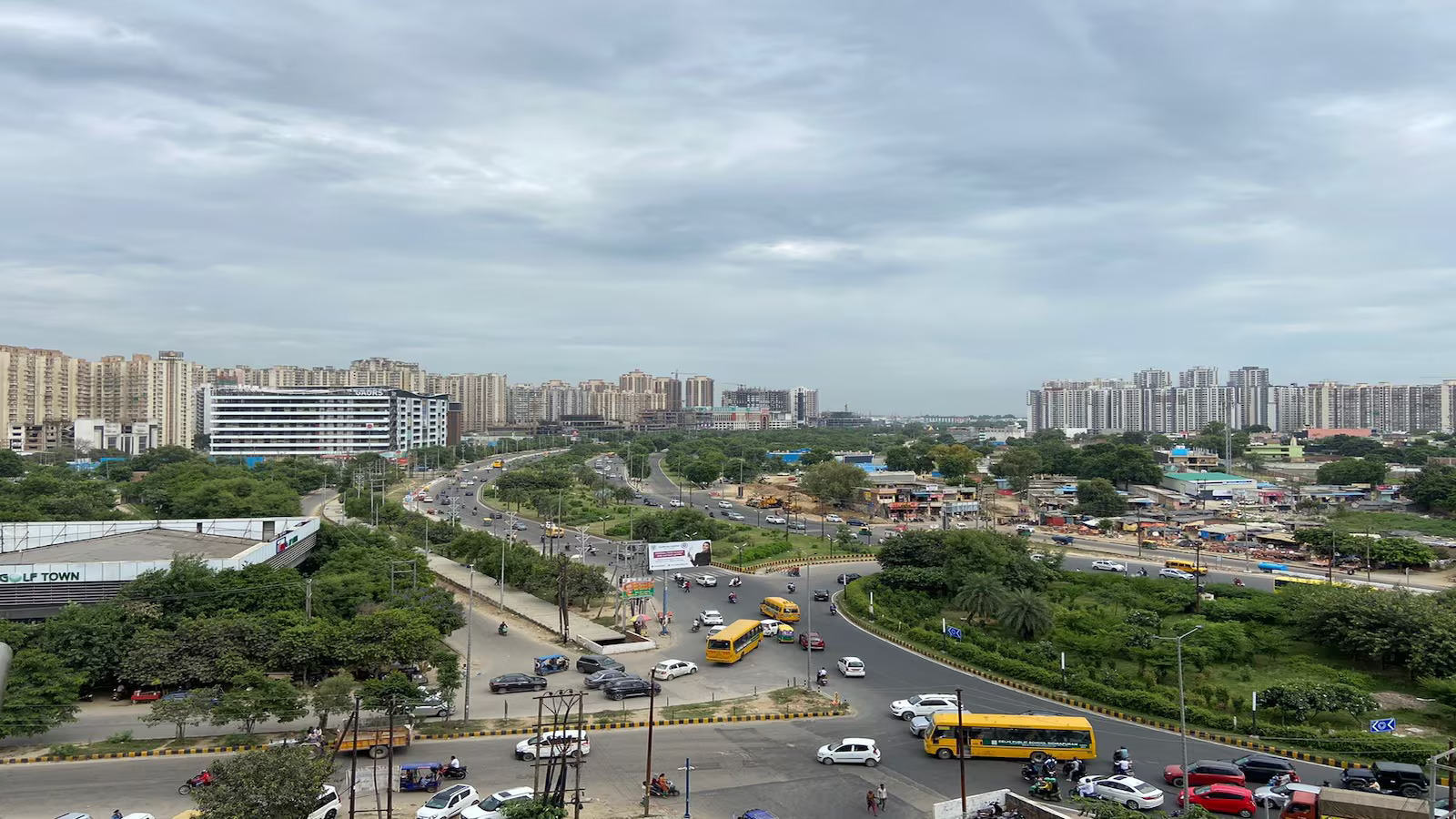
Yamuna Expressway Industrial Development Authority (Yeida) has announced a ₹700 crore initiative to develop a 35-kilometre-long green belt along the Yamuna Expressway.
This green corridor will stretch from the vicinity of Galgotias University to the upcoming Noida International Airport, aiming to function not just as a recreational escape but as a symbolic landmark for the growing urban zone. The proposed green belt will be 100 metres wide and will incorporate a series of urban landscaping elements including water bodies, eco-parks, interactive fountains, and miniature replicas of India’s iconic heritage structures and religious sites. The project, officials said, will be designed to offer both ecological value and cultural vibrancy, transforming the largely infrastructure-centric corridor into a destination that attracts residents and tourists alike.
According to senior Yeida officials, a global tender will soon be floated to appoint an agency responsible for the execution and management of this mega project. The initiative is part of a broader strategy to enhance the visual identity and environmental fabric of Yamuna City, a proposed urban zone currently in early stages of development but envisioned to rival Noida and Greater Noida in scope and scale. “The current perception among people travelling along the Yamuna Expressway is that the areas beyond the Formula One circuit still fall under Greater Noida or Noida,” an official explained. “With no iconic landmark or destination, the identity of Yamuna City remains nebulous. Through this green belt, we aim to establish a visible and tangible representation of the city’s culture, ecology, and future-forward vision.”
As part of its urban planning blueprint, Yeida has notified nearly 2.5 lakh hectares along the 165km expressway connecting Greater Noida to Agra. So far, around 20,000 hectares have been acquired for phased development, with another 60,000 hectares planned once the city reaches its proposed full capacity. The green belt, in this context, is both a catalyst and a showcase for the city’s evolution into a distinct and sustainable urban zone. Strategically located between the 60-metre-wide arterial road linking the expressway to various sectors of the city, the green belt will be landscaped with native and unique tree species chosen to withstand the region’s climatic variations while promoting biodiversity. Plans also include the development of thematic gardens, curated walking trails, meditation zones, and heritage displays that narrate India’s civilisational history.
Notably, the belt will feature miniatures of historical monuments such as the Taj Mahal and Qutub Minar, along with artistic representations of the Ram Temple and the country’s four Dhams, symbolising spiritual inclusivity and cultural richness. The idea, officials emphasised, is not to replicate but to reimagine these landmarks as part of a curated public realm, accessible to people of all ages. In addition to aesthetic enhancements, practical infrastructure will be embedded throughout the corridor. Major road intersections are slated for beautification with LED lighting and decorative installations, while eco-conscious dining kiosks and resting pavilions are being considered to support foot traffic and encourage outdoor family engagement.
Experts in urban development and ecology suggest that Yeida’s vision aligns with emerging trends in city planning, where infrastructure expansion is no longer seen in isolation from green resilience. “This project, if executed with ecological sensitivity and cultural respect, has the potential to create an identity rooted in sustainability while also serving as an economic driver through eco-tourism and cultural attraction,” said a senior urban strategist familiar with the region’s development roadmap. The authority’s approach appears to prioritise long-term urban value over short-term commercial real estate gains. By investing in green assets early in the city’s lifecycle, Yeida is looking to embed climate-conscious infrastructure that offsets carbon, reduces urban heat islands, and enhances liveability — all essential criteria for attracting both residents and institutional investors in a post-pandemic real estate environment.
While the development promises a wealth of benefits, successful implementation will depend on sustained maintenance, community participation, and the authority’s ability to ensure environmental integrity. Critics have often pointed to previous examples where ambitious urban greening projects lost momentum due to bureaucratic inertia or poor upkeep. Nonetheless, Yeida’s commitment to initiate the project through global competitive bidding signals an intent to ensure quality and innovation. The authority is also exploring potential partnerships with experts in horticulture, landscape architecture, and cultural conservation to deliver a holistic green urban experience.
As Noida International Airport nears completion and the Yamuna Expressway corridor gains traction as a future economic hub, the development of a green belt as a central urban lung may serve both as a branding tool and as a much-needed ecological intervention. If realised as planned, Yamuna City may soon offer a new model for how cities can grow not just horizontally, but also harmoniously with nature.
Also Read : Kozhikode NH 66 Bans Bikes & Auto on Main Road
