


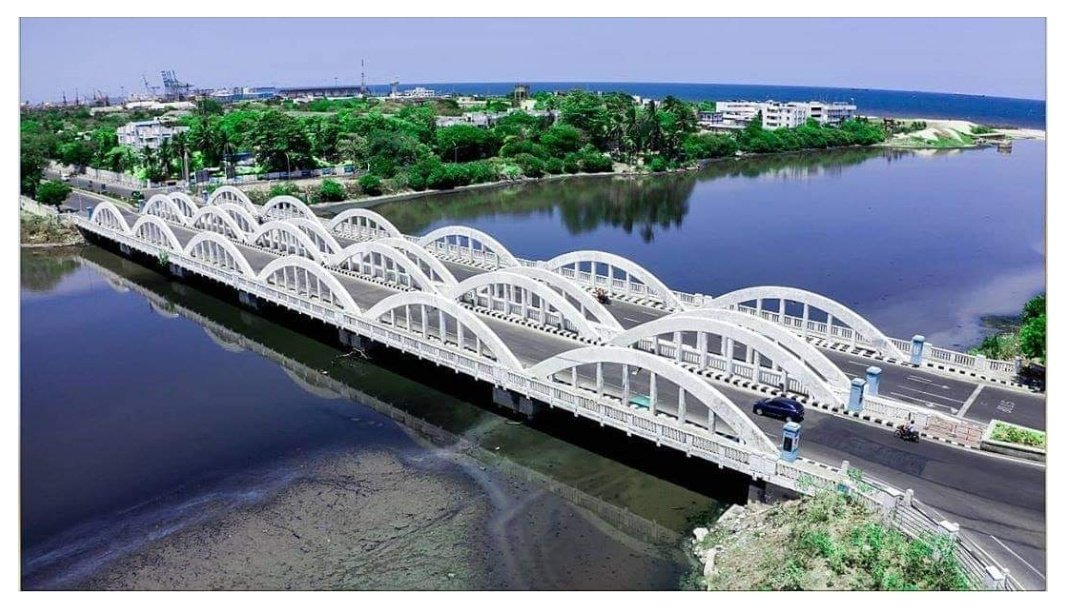
Chennai New Cooum Bridge in Thiruverkadu Enhances Connectivity and Flood Resilience
The residents of Thiruverkadu and its neighbouring areas have received a much-needed infrastructural boost with the inauguration of a new high-level bridge across the Cooum River. The bridge, constructed at a cost of ₹18.40 crore, aims to alleviate longstanding connectivity issues and mitigate the frequent flooding that plagued the region during monsoons. Spanning 94 metres in length and 17 metres in width, the bridge replaces an old causeway that was often submerged, cutting off access for residents of Veeraraghavapuram, Avadi, Poonamallee, Kaduvetti, Senneerkuppam, and Thiruverkadu. The project’s completion marks a crucial milestone in the Tamil Nadu government’s ongoing efforts to improve road infrastructure in flood-prone areas.
A Human-Centric Approach: Pedestrian and Cyclist-Friendly Design
Beyond serving as a vital transport corridor, the newly inaugurated bridge prioritises inclusivity with dedicated walkways and bicycle tracks. This design ensures that pedestrians and cyclists—often the most vulnerable road users—have a safe passage across the river. With growing urbanisation and vehicular congestion, such infrastructure plays a significant role in promoting non-motorised transport, reducing reliance on private vehicles, and encouraging more sustainable commuting options. The bridge is expected to ease daily travel for thousands of commuters while also improving last-mile connectivity to the region’s bus and train networks. This initiative aligns with Tamil Nadu’s broader urban mobility strategy, which seeks to create pedestrian-friendly infrastructure while integrating multiple modes of transport.
Civic and Urban Impact: Addressing Longstanding Connectivity Issues
The new bridge significantly enhances access between key residential and commercial hubs, reducing travel time and improving road safety. Before its construction, the absence of a reliable crossing forced residents to take lengthy detours or brave unpredictable flooding. This infrastructure development is particularly crucial for emergency services such as ambulances and fire brigades, which previously faced delays due to road closures caused by waterlogging. Additionally, the bridge is expected to bolster local economies by providing seamless connectivity to markets, schools, and workplaces, ultimately improving the quality of life for thousands of residents.
Sustainability Perspective: Flood Resilience and Eco-Friendly Urban Growth
Incorporating sustainable engineering solutions, the bridge has been designed to withstand extreme weather conditions, ensuring durability and minimal environmental impact. By replacing an outdated causeway prone to flooding, the new structure enhances climate resilience and mitigates the risk of disruptions during monsoons. The inclusion of pedestrian and cyclist-friendly pathways further supports eco-friendly transportation, helping to reduce the city’s carbon footprint. Infrastructure projects like these reflect Tamil Nadu’s commitment to sustainable urban planning, striking a balance between development and environmental responsibility.
