


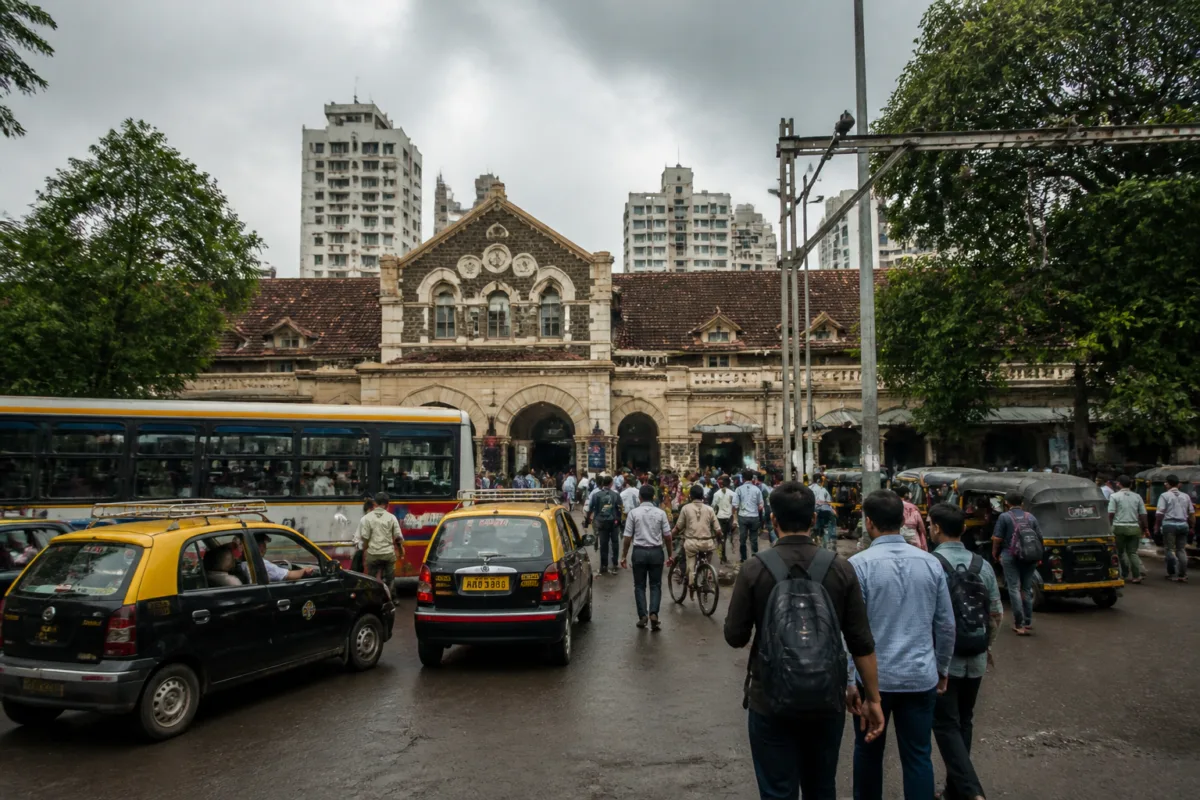
Bandra station’s east-side facilities and traffic management have come under focus as the heritage railway station hosts a three-day celebration of its 162-year history. Bandra East MLA Varun Sardesai highlighted the contrast between the improved western precinct and the continuing shortcomings faced by passengers and road users on the eastern side, and called for better transport and passenger facilities there, according to Loksatta’s report.
The report says the festival includes lighting and cultural programmes at the station. At its inauguration, Mumbai’s guardian minister and Bandra West MLA Ashish Shelar described the development of the western side of the station. The account presents that work as an example of how planning, funding and coordination between public agencies can reshape a station precinct.
According to the report, the western-side intervention followed discussions involving the railway authorities, the Brihanmumbai Municipal Corporation, railway police and local police. These meetings helped define the responsibilities of the different agencies. Beautification of the area outside the station was undertaken using a special municipal fund.
The reported changes included separate arrangements for autorickshaws, taxis and private vehicles; the relocation of a BEST bus stop; parking for two-wheelers and bicycles; and the removal of large advertising hoardings. The station infrastructure was also described as having received platform-height improvements, closed-circuit television cameras, escalators, foot overbridges and toilets. Food stalls were added in a style intended to be compatible with the heritage character of the precinct.
The western-side experience is significant because railway stations are not only train access points. Their approaches also function as interchange zones where buses, taxis, autorickshaws, private vehicles, bicycles and pedestrians compete for limited space. The measures cited in the report indicate that clearer allocation of space and coordination between agencies can address several of these pressures together, rather than treating each transport mode separately.
Sardesai’s intervention shifts attention to whether comparable planning has reached Bandra East. The report describes inadequate facilities and traffic disorder on that side, but does not specify a sanctioned project, funding package, railway commitment or delivery timeline for the requested improvements. It also does not record a response from the railway authorities.
That leaves the eastern-side demand at the stage of a public request rather than a confirmed upgrade programme. The contrast nevertheless places an established urban governance question before the railway and civic authorities: whether the station’s two approaches can be planned as one passenger and public-realm system while preserving the precinct’s heritage character.

