


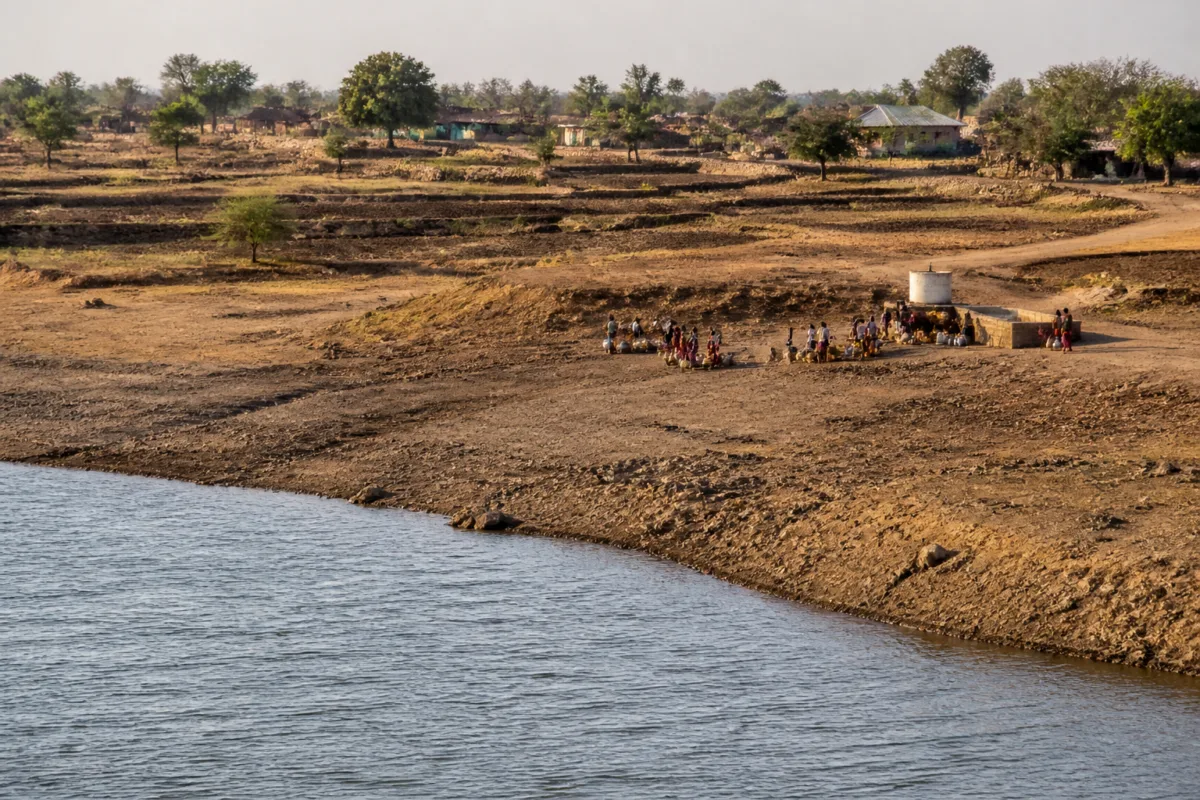
Maharashtra should begin planning immediately for possible water stress before the next monsoon rather than rely mainly on tankers and other temporary measures, according to Dr Himanshu Pathak, director general of the International Crops Research Institute for the Semi-Arid Tropics (ICRISAT) in Hyderabad.
Pathak’s advice, reported by Loksatta, places drinking water at the top of the state’s priorities. He said the state should then secure water and fodder for livestock, use available supplies carefully to protect standing crops, guide farmers towards less water-intensive crops for the next season and consider postponing projects that require large quantities of water until the next monsoon.
The recommendations follow what Pathak described as a weak rainfall year in Maharashtra. According to the report, rainfall was about 20% below average across the state. The deficit was reported at 39% in Marathwada, while Solapur and Beed districts recorded shortfalls of 58% and 51%, respectively. More than 300 talukas were also reported to have received below-average rainfall.
The proposed sequence reflects competing demands that become acute when storage and rainfall are constrained. Protecting drinking-water availability would take precedence over other uses, followed by support for livestock and measures to reduce losses in standing crops. Crop planning for the following season would then need to account for the amount of water likely to be available.
Pathak’s fifth recommendation extends the issue beyond immediate drought relief. Reviewing the timing of water-intensive projects could help align public investment and construction activity with available water resources, although the report does not identify specific projects or set out a formal decision-making process for postponement.
The report also does not provide details of reservoir levels, groundwater conditions, district-wise supply plans or the Maharashtra government’s response to the recommendations. Those factors would be important in determining how the proposed priorities could be implemented across urban areas, villages and agricultural regions.
For residents, the immediate concern is continuity of drinking-water supply until the next monsoon. For local administrations, the recommendations point to the need for coordinated planning covering potable water, livestock, agriculture and infrastructure rather than isolated emergency measures. The effectiveness of that approach will depend on whether the state converts the broad priorities into district-level allocations, crop advisories and transparent decisions on water-intensive works.

