


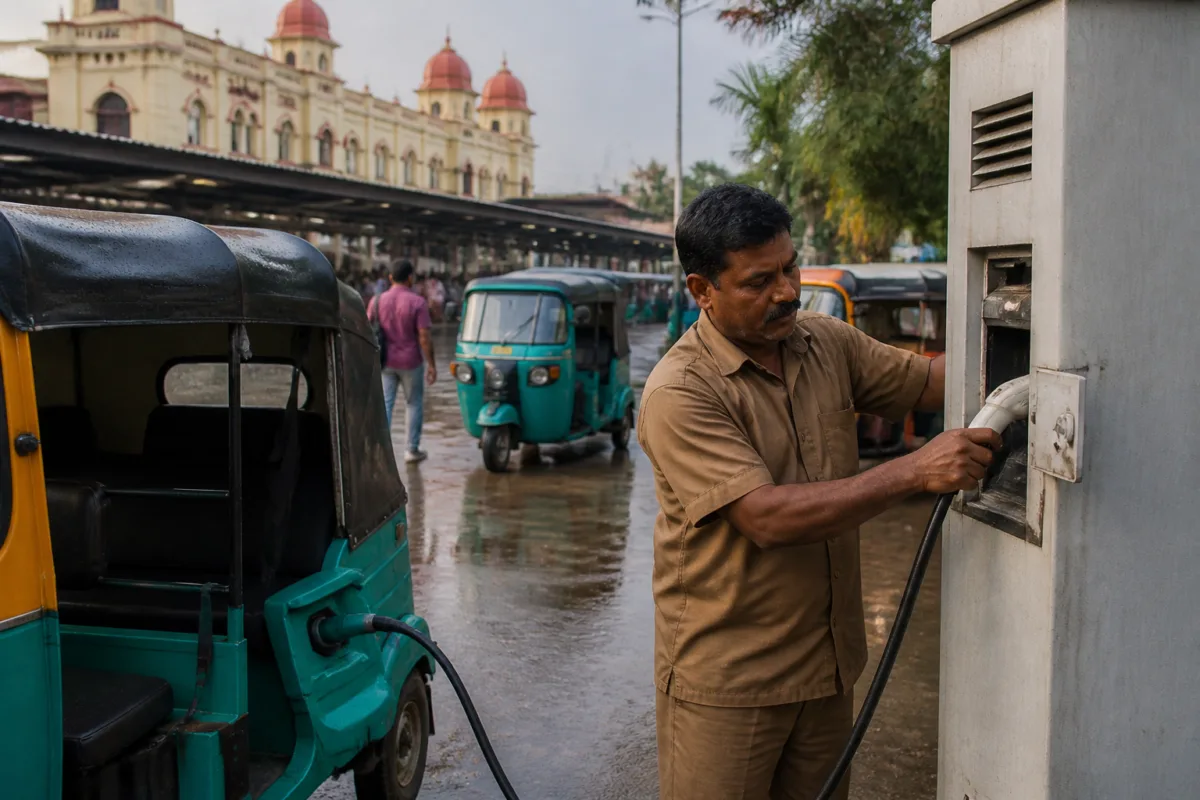
Chennai e-auto adoption is being held back by high upfront costs, limited charging infrastructure and a lack of affordable financing, according to a study by Citizen Consumer and Civic Action Group that surveyed 1,008 autorickshaw drivers in the city.
The report, launched at an event in Chennai on Thursday, found that 60.5% of the drivers surveyed used rental vehicles. This makes a switch to electric autorickshaws more difficult unless affordable rental or leasing options are available, the study said.
Vehicle ownership also creates a barrier to replacement. Among drivers who owned their autorickshaws, 56.1% had purchased them less than five years earlier. Replacing relatively new vehicles with e-autos could therefore impose another financial burden on drivers who have not yet recovered their investment.
The study identified potential interest in converting existing vehicles. It said 77% of drivers who had previously driven e-autos were interested in retrofitting their vehicles into electric autorickshaws. The finding points to a possible transition route that does not depend entirely on the immediate purchase of new vehicles, although the report also highlighted concerns about costs, service support and vehicle performance.
Daily travel patterns add to the infrastructure challenge. According to the study, 46.4% of drivers typically covered up to 80 kilometres a day. Limited public charging facilities have contributed to range anxiety, while installing charging points can be difficult at rental homes and in informal settlements, the report said.
Drivers also raised concerns about the availability of service centres, battery safety and the performance of electric vehicles during floods. These concerns connect vehicle adoption with the wider design and resilience of Chennai’s urban infrastructure. Charging access would need to serve drivers who may not have dedicated parking or control over their residential premises, while equipment in flood-prone locations would need to remain safe and usable during extreme weather.
The report called for a phased transition to electric autorickshaws rather than an immediate shift. Its recommendations included affordable loans, purchase incentives linked to scrappage and battery-leasing models to reduce the upfront cost of an e-auto.
It also proposed expanding charging facilities at autorickshaw stands, transit hubs and residential areas. Ensuring that charging infrastructure is resilient to flooding was another recommendation.
The study’s findings place financing and infrastructure alongside vehicle technology as central factors in Chennai’s electric-mobility transition. For rental drivers, access to a vehicle and its battery may be as important as the purchase price. For vehicle owners, the timing of replacement and the value of existing autorickshaws affect the feasibility of switching.
The report does not establish whether its recommendations have been adopted by government agencies or transport operators. It instead sets out the practical barriers identified by the surveyed drivers and proposes measures intended to make electric autorickshaw use more accessible across different ownership and housing conditions.

