


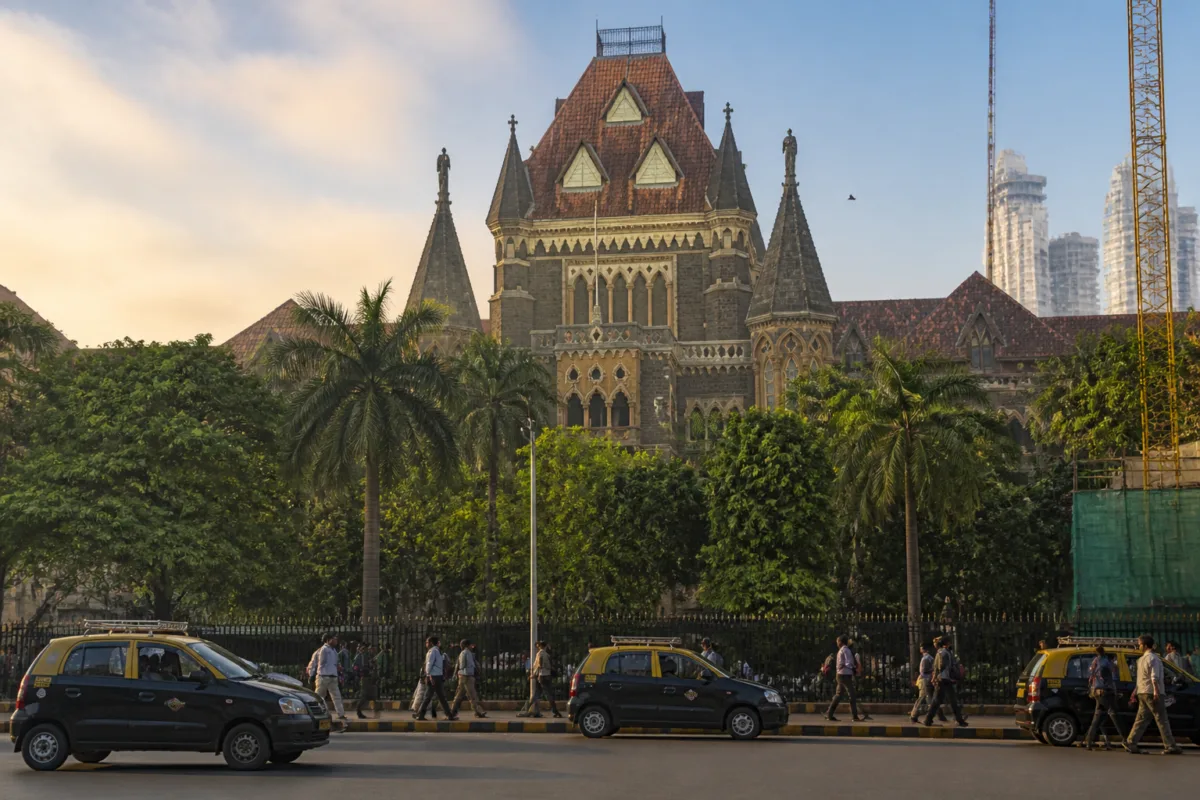
The Bombay High Court has held that a monetary dispute by itself cannot justify stopping an ongoing redevelopment project under Section 9 of the Arbitration and Conciliation Act, 1996, unless there is evidence that assets may be disposed of to defeat a future arbitration award.
Justice Amit Borkar made the observation while vacating an interim injunction against M S Ghori Enterprises involving a redevelopment property in Borivali. The court allowed former partner Snehlata Anurag Singh to pursue her alleged unpaid claim of Rs 1.5 crore through arbitration, but rejected her plea to restrain the firm’s assets and obstruct the redevelopment.
The court said Section 9 is intended to protect the subject matter of arbitration and ensure that a future award is not defeated. It is not meant to stop an ongoing business or redevelopment project merely because the parties have a money dispute, according to the judgment as reported by the Free Press Journal.
The dispute arose from the Fatehpur House redevelopment project. Singh acquired an 80% stake in the partnership on January 16, 2019, after the existing partners sought funds to revive the stalled project. On July 23, 2022, she executed two deeds: one recording her retirement from the partnership and another stating that she had invested Rs 1.68 crore and would receive Rs 2 crore as settlement.
Singh claimed that part of the settlement remained unpaid. She invoked arbitration on June 20, 2025, and subsequently sought protection of the firm’s assets from the High Court. On October 15, 2026, the court temporarily restrained the firm from selling or transferring its assets, creating third-party rights over the redevelopment property or otherwise altering the status quo.
Ghori Enterprises sought removal of the restraint. The firm told the court that Singh had retired after executing the deed and had received Rs 50 lakh through a bank transfer. It said three post-dated cheques had been issued for the remaining Rs 1.5 crore. The firm also submitted that Rathi Lifespaces Realtors Pvt Ltd, a new partner, had invested more than Rs 3.96 crore in the project.
The court held that Singh’s retirement had taken effect, while noting that the surrender of her rights under the earlier arrangement was conditional on the cheques being honoured. It also observed that the record did not establish whether the cheques had been encashed. The question of the unpaid amount and the effect of the two deeds was left open for arbitration.
However, the court found no evidence that the firm was disposing of its assets to defeat a possible arbitration award. It therefore vacated the injunction and rejected requests for asset disclosure, appointment of a court receiver and maintenance of status quo. The ruling did not restore Singh’s status as a partner or give her the right to obstruct the redevelopment.
The court also noted that a blanket restraint could affect permitted property sales, flat buyers and the rehabilitation of 16 tenants. This makes the order significant beyond the dispute between the former partner and the firm: an injunction over a redevelopment asset can affect third-party transactions and people awaiting rehabilitation, even when the underlying claim is ultimately a private payment dispute.
No costs were imposed. Singh’s monetary claim remains to be determined through arbitration, while the redevelopment project is no longer subject to the interim restraint described in the proceedings.

