


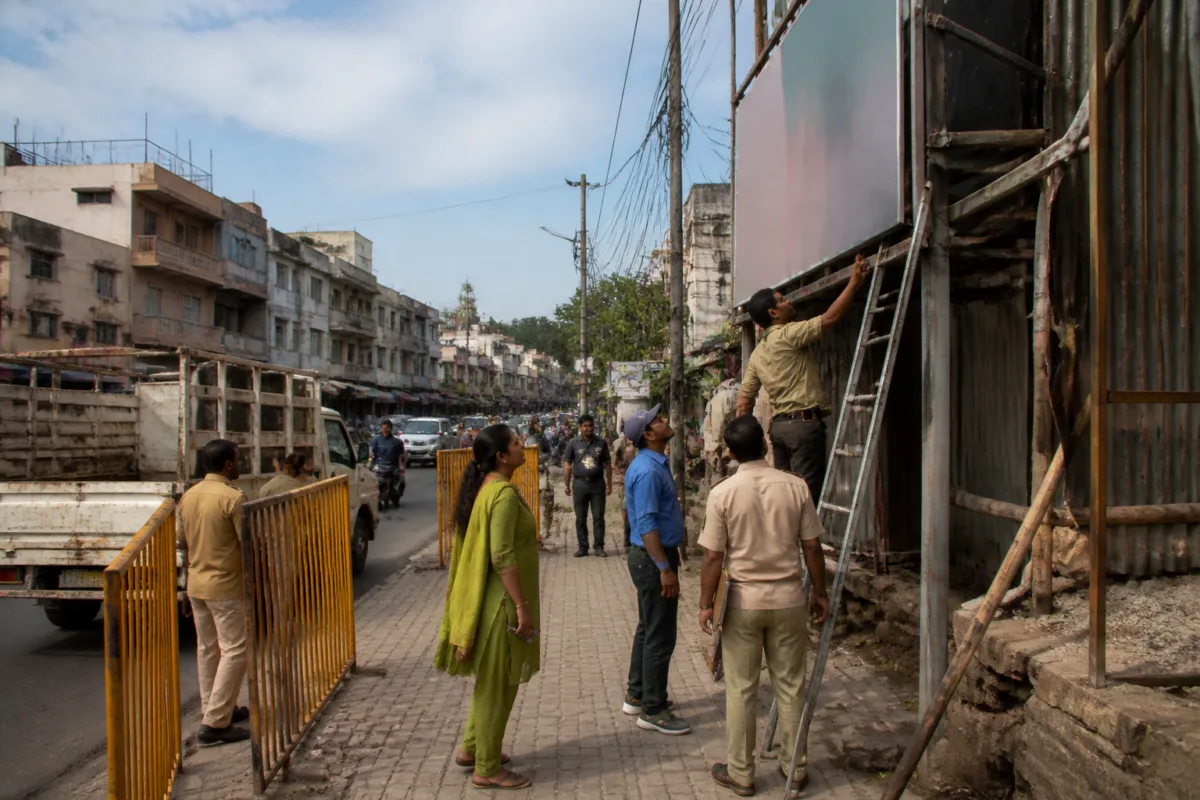
Pune Mayor Manjusha Nagpure has called on the municipal administration to enforce the city’s anti-encroachment and unauthorised-construction drive without political discrimination, while first confirming that the structures being targeted are illegal.
Speaking to reporters on Wednesday, Nagpure said the administration had been instructed not to carry out selective action. She said that encroachments made by political leaders should also be removed, provided they are confirmed to be unauthorised. According to the report, she also claimed that the current action began after directions were issued in the general body meeting.
The municipal drive has been under way across Pune for the past eight days, the report said. Nagpure supported the action and said it had the backing of citizens. Her comments place equal enforcement and procedural verification at the centre of the campaign: officials should act against every unauthorised structure, but must establish its legal status before taking action.
The issue also extends to illegal flex boards and hoardings, which the municipal corporation has begun removing. The report said that three ruling Bharatiya Janata Party councillors, including Standing Committee chairperson Shrinath Bhimale, were named for a ‘city defacement’ award on the first day of the flex action.
Nagpure reportedly defended Bhimale by saying the flexes had been installed by his supporters and not by him personally. She also said a hoarding put up by Sunil Pandey had an authorised permit, and that the administration should verify whether flexes and hoardings are legal before removing them. She added that residents cannot always determine the permit status themselves.
The mayor’s statements highlight a recurring governance test in urban enforcement: whether rules applied to ordinary residents and commercial operators are also applied to politically connected individuals. The available report does not provide municipal records, lists of affected properties, notices issued, the number of removals or details of appeals. Those details will be important in assessing whether the drive is consistent, legally supported and transparent as it continues.

