


The Supreme Court has directed the Election Commission to increase the number of tribunals hearing challenges to voter deletions in West Bengal and prioritise cases from areas where municipal elections are scheduled, according to a report by Anandabazar.
A bench comprising Chief Justice Surya Kant and Justices Joymalya Bagchi and V. Mohana issued the directions during a hearing on Monday in the state’s special intensive revision (SIR) case. The court asked the commission to consult the Calcutta High Court on increasing the number of SIR tribunals.
The bench also directed that applications challenging the deletion of voters’ names should be separated from petitions opposing the inclusion of names. Cases filed by voters whose names have been deleted are to be taken up first, while objections to inclusion can be considered subsequently, the report said.
Priority is also to be given to deletion-related applications from Assembly constituencies where municipal elections will be held. The court specifically identified areas under the Kolkata Municipal Corporation for special attention.
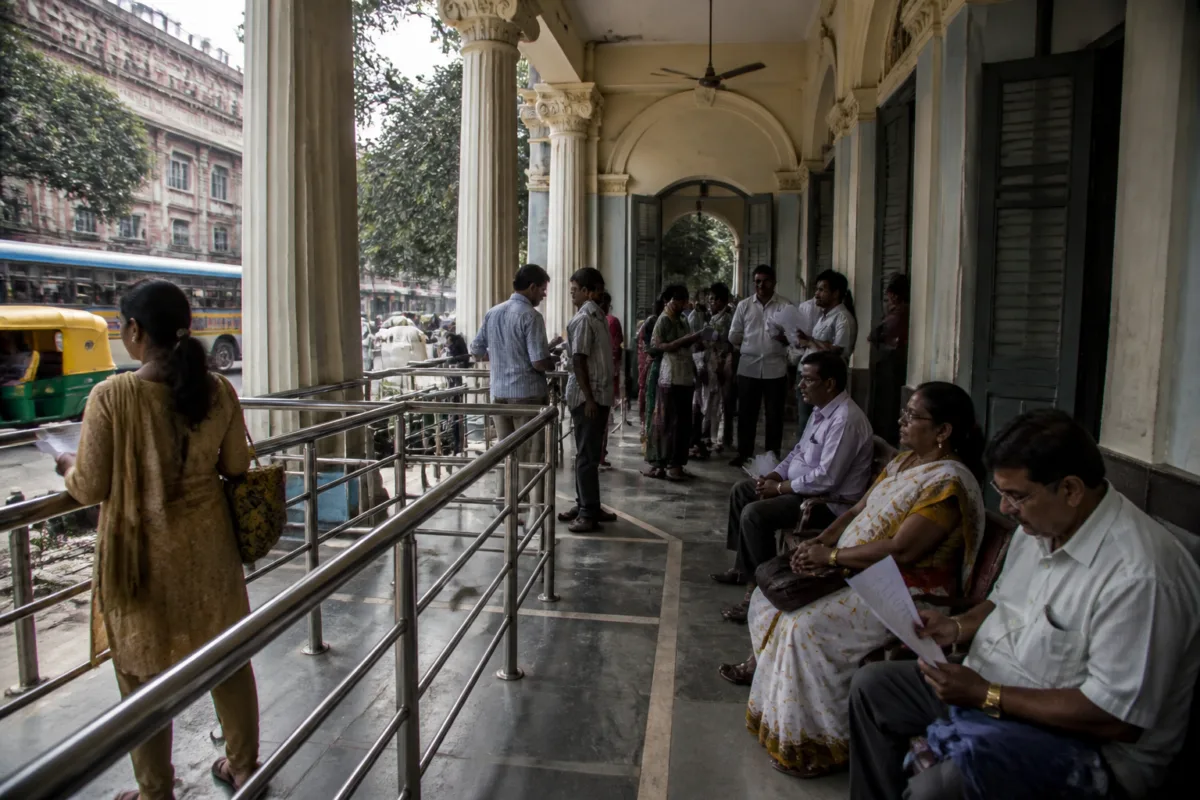
The Election Commission has further been instructed to identify locations across Kolkata where people can file applications before the tribunals. The locations should be accessible by public transport and convenient for applicants, according to the report.
More than 6 million names were reportedly placed on a list under consideration during the SIR process in West Bengal. Following earlier Supreme Court directions, cases involving alleged discrepancies were assigned to tribunals comprising retired judges. Several voters who say they are eligible have since filed applications challenging their removal from the electoral rolls.
The Supreme Court had placed responsibility for deciding names under consideration with the Calcutta High Court. The High Court’s Chief Justice was asked to constitute a tribunal of retired judges to handle those cases, and the tribunal is now functioning in accordance with the court’s directions.
However, most applications are reportedly still pending. The tribunal currently has 17 retired judges, while the report said proceedings are not being held every day. The backlog and the number of sitting judges have raised concerns about the speed of disposal, particularly before municipal elections.
The directions make timely access to the tribunals a central part of the voter-roll review process in urban constituencies. For residents whose names have been deleted, the availability of nearby filing locations and priority consideration could determine whether their challenges are heard before local elections. The report did not provide a timetable for increasing the tribunal strength or for completing the pending applications.

