


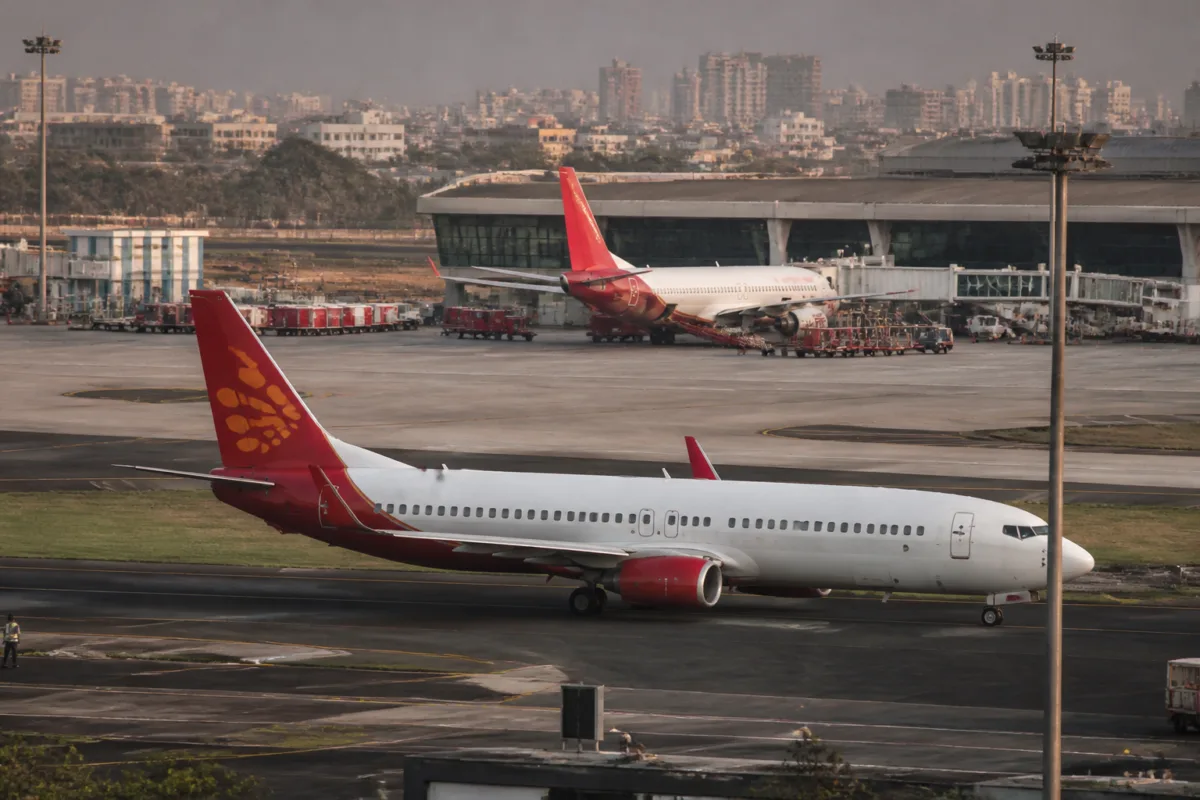
The Federation of Indian Pilots has asked Civil Aviation Minister Ram Mohan Naidu to intervene in SpiceJet’s financial crisis, warning that unpaid salaries, grounded aircraft and mounting debts could affect flight safety and operational reliability.
In a 12-page letter sent on Sunday, the pilots’ body sought a mandatory annual financial and safety-risk assessment for every scheduled airline. It also called for quarterly monitoring of carriers facing financial distress. FIP president CS Randhawa said in the letter that an airline’s financial condition and operational safety could not be treated as separate matters.
The letter linked SpiceJet’s financial problems to its operational condition, citing persistent cash-flow difficulties, delayed salaries, unpaid dues and a largely grounded fleet. It said service providers, including airports, oil companies, lessors and maintenance providers, were owed money, and that some had reportedly shifted the airline to cash-and-carry terms.
The pilots’ intervention comes days after the Directorate General of Civil Aviation issued a notice to SpiceJet on November 17. According to the report, the regulator expressed concern about the airline’s ability to maintain operations, meet financial obligations and return grounded aircraft to service. The notice also referred to repeated cancellations and delays, unpaid dues and regulatory non-compliance.
SpiceJet is seeking to raise up to ₹5,500 crore to restore its operations. The airline’s financial difficulties have coincided with a sharp fall in its domestic market share. The FIP letter said the carrier’s share had declined from 21% in 2014 to about 0.6% in October 2026.
For passengers and airports, the crisis is visible through disrupted schedules, reduced fleet availability and uncertainty over the carrier’s ability to sustain services. The pilots’ demand would broaden regulatory scrutiny from aircraft and crew compliance to the financial conditions that support maintenance, staffing, fuel procurement and airport operations.
FIP argued that SpiceJet’s difficulties were systemic rather than a temporary cash shortage and could not be resolved only through short-term financial injections. Its proposed framework would require routine financial and safety assessments across scheduled airlines, with more frequent reviews for carriers identified as distressed.
The report does not indicate whether the civil aviation ministry has accepted the proposals or whether the DGCA has ordered the broader monitoring system sought by the pilots. SpiceJet’s ability to raise funds, address outstanding dues and bring grounded aircraft back into service remains central to the airline’s operational recovery.

