


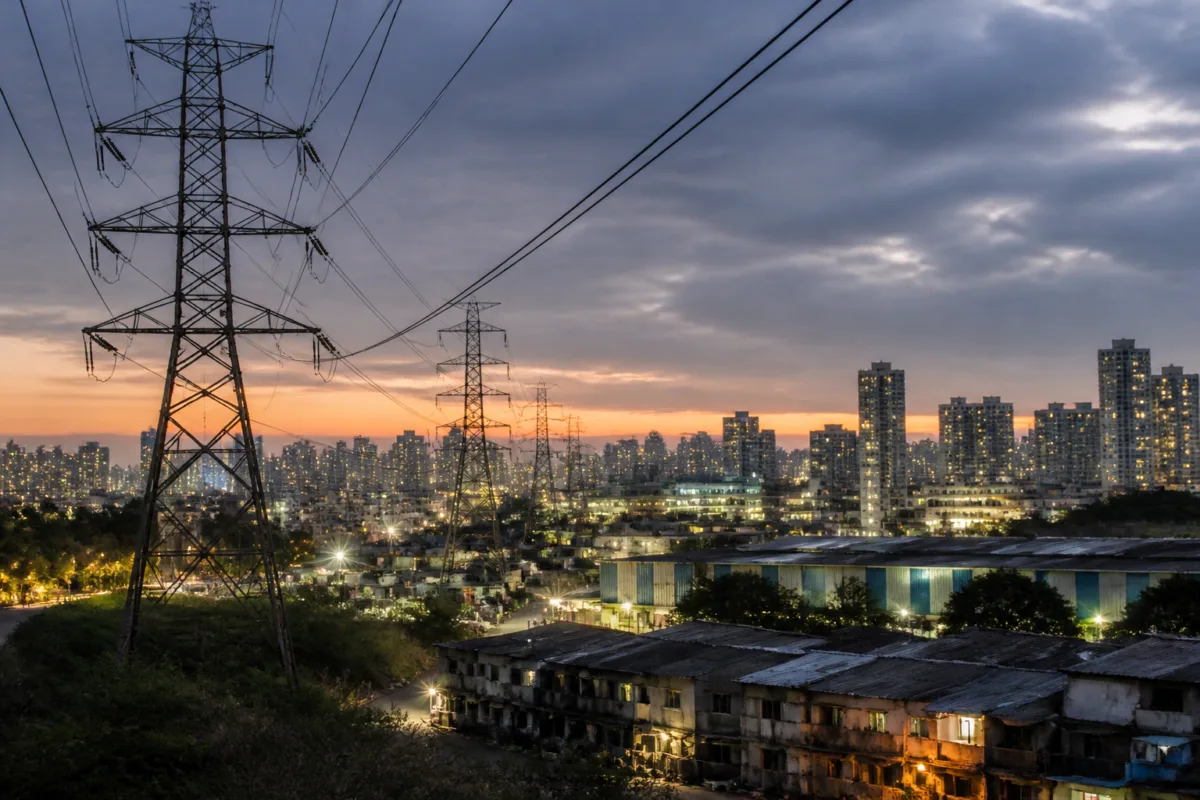
Maharashtra’s electricity demand could exceed available supply by about 2,137 megawatts in March 2027, highlighting a growing challenge for the state’s power system as industrial, commercial and cooling-related consumption rises.
According to a report based on estimates by the power-sector rating agency Icra and the Central Electricity Authority, Maharashtra’s peak electricity demand could reach 36,858 MW in March 2027. Expected availability is estimated at 34,721 MW, creating the projected gap.
The state has already recorded a peak demand of 33,625 MW in October, described in the report as its highest to date. The figures indicate that the pressure on the system is not limited to the summer months and could intensify during periods of high evening consumption.
At the national level, electricity demand rose 11.7% between April and October 2026 compared with the same period a year earlier, according to the Icra assessment cited by the report. Demand during the first 11 days of November was also 12.9% higher year on year. Icra has estimated that demand for the full financial year could increase by about 8.5%.
The report attributes the increase primarily to higher temperatures, industrial production and electricity use in commercial establishments. Expanding industrialisation, commercial activity and air-conditioning demand are also identified as factors behind the broader increase.
The national supply challenge includes maintaining sufficient coal stocks for thermal power generation and ensuring that generation capacity keeps pace with demand, the report said. For Maharashtra, the immediate concern is how the state will manage peak periods when demand rises faster than dependable supply.
Mahavitaran is placing emphasis on solar power and battery energy storage projects to help balance demand and supply, particularly during the evening peak. Battery storage can support the power system by making stored electricity available when demand rises, although the report does not provide details on the capacity, locations, procurement status or commissioning schedule of the proposed projects.
The projected gap therefore represents a planning challenge rather than a confirmed shortfall that has already occurred. Its scale will depend on actual demand, generation availability and the progress of additional supply and storage measures. For electricity consumers, the issue is significant because the demand growth is linked to core urban and economic activities, including manufacturing, commercial operations and cooling.
The figures also place greater importance on coordinated planning between generation, distribution and storage. Maharashtra’s ability to meet the projected March 2027 peak will depend on whether planned capacity and balancing measures are available when required. The report, however, does not specify the operational measures that would be used if demand exceeds available supply or state whether any load-management programme has been finalised.

