


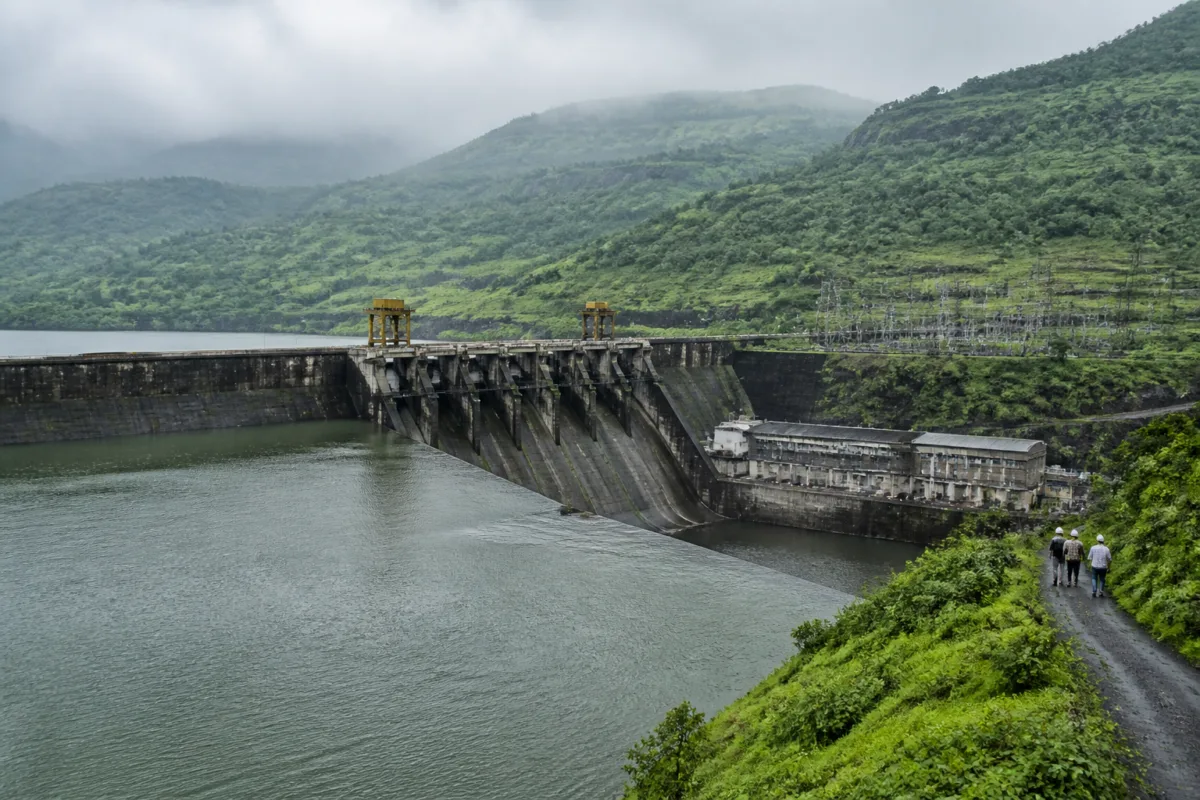
A Maharashtra legislative committee is considering a change in how water from the Koyna dam is allocated, with a possible reduction in the share reserved for power generation to make more water available for agricultural irrigation, according to MLA Rahul Kul.
Members of the committee inspected the Koyna dam and the first and second stages of its hydroelectric project before holding a meeting at the Koyna project rest house in Koynanagar, Satara district. The visiting legislators included Nilesh Rane, Rahul Kul, Vilas Bhumre and Milind Narvekar.
The inspection covered the dam’s water storage, the hydroelectric generation system, the project’s operations and technical aspects of water use. Speaking to the media after the meeting, Kul said the committee had decided to undertake a fresh policy consideration of the water allocation.
Koyna water serves two important purposes for Maharashtra. It supports the state’s power system through hydropower generation and is also significant for irrigation in the Krishna basin. Any change in the allocation framework would therefore involve balancing electricity requirements against the demand for farm irrigation.
The report does not specify how much water could be shifted from power generation to irrigation, which areas would receive additional supplies or when any revised allocation would take effect. It also does not provide a formal government order, a technical assessment or an estimate of the possible effect on hydropower output.
Those details will be central to assessing the practical impact of the proposal. A reduction in water used for generation could affect the operating pattern or output of the hydroelectric project, while additional irrigation releases could improve availability for farmers in areas currently facing shortages. The extent of either effect would depend on reservoir levels, operating requirements and the revised water-use plan.
The report also identifies the interests of people affected by the Koyna dam as a consideration alongside state energy needs and irrigation. However, it gives no specific information about measures for affected local communities or how those interests would be incorporated into future decisions.
The committee’s inspection has brought the Koyna dam’s allocation framework back into focus. The next significant steps will be the publication of a quantified plan, technical evaluation of the hydropower implications and clarity on the regions and users that would benefit from any revised irrigation allocation.

