


A recent tiger sighting in Debrigarh Wildlife Sanctuary has renewed attention on the ecological links between western and southern Odisha and tiger habitats in neighbouring states. The movement also highlights how highways, railway lines, mines, power infrastructure and human settlements can determine whether wildlife corridors remain connected or become hazardous barriers.
Writing in the Times of India, landscape ecologist and former National Tiger Conservation Authority member secretary Debabrata Swain said the tiger movements indicate that Central India and the Eastern Ghats continue to function as a connected meta-population. According to Swain, tiger populations in neighbouring states are producing surplus animals, while Odisha’s forests can act as a natural sink for dispersing animals.
However, he cautioned that a visiting male is evidence of ecological potential, not proof that a landscape can support a breeding population. Debrigarh, a 353-square-kilometre sanctuary, has undergone core-area village relocations and habitat restoration and is described in the article as being prepared to become Odisha’s third tiger reserve. The sanctuary’s conservation prospects remain vulnerable: the last male tiger to settle there was poached in 2018, according to the article.
The infrastructure challenge is particularly significant for animals moving between protected areas. Swain identified highways, railway lines, mining zones and illegal live-wire snares as hazards in the corridors between reserves. In landscapes such as those around Sunabeda and the Chhattisgarh border, tracking and protecting dispersing tigers requires coordination across administrative boundaries, he wrote.
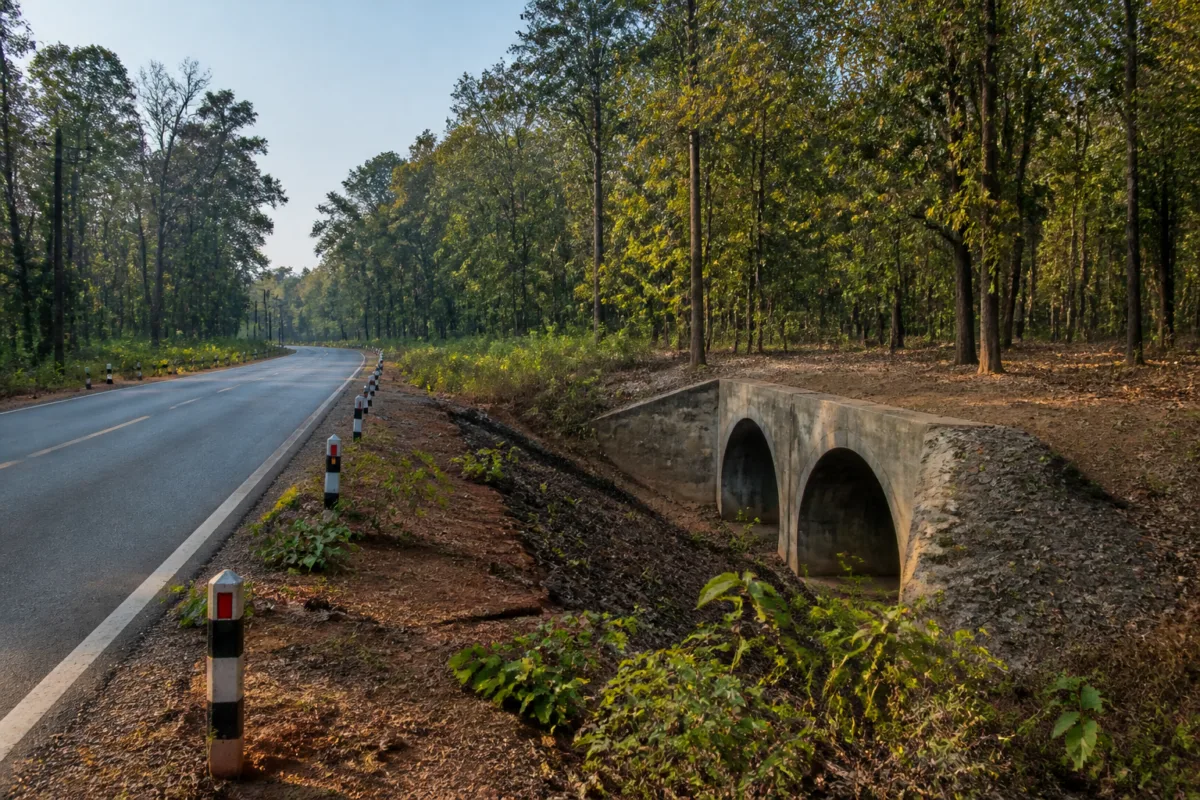
The measures proposed in the article include wildlife underpasses at transport crossings, insulated power lines and stronger protection of natural prey. These interventions would require wildlife considerations to be incorporated into the planning and operation of transport and electricity infrastructure, rather than treating protected areas as isolated conservation units.
The article also argues that any future effort to establish a breeding population in Debrigarh would need to combine natural dispersal with scientifically planned female supplementation after reserve notification. It says such introductions would have to follow National Tiger Conservation Authority protocols, including prey-density surveys, carrying-capacity assessments, genetic matching and disease safeguards.
Community participation is another part of the proposed approach. Swain said village institutions and safety protocols are essential to building confidence among communities living along forest edges and to making them partners in conservation. This is particularly relevant where wildlife movement intersects with farms, roads, electricity networks and settlements.
The Odisha forest department has deployed surveillance grids and alert networks in Bargarh and Koraput this week, according to the article. The response points to the importance of early-warning systems when tigers move through human-dominated landscapes, although long-term recovery would also depend on corridor protection and safer infrastructure design.
Debrigarh’s experience therefore presents a wider planning question for Odisha: whether the state can maintain ecological connectivity while expanding and operating transport, mining and power networks. A tiger’s arrival may demonstrate that the landscape is still connected, but preventing the next movement from ending in a collision, electrocution or poaching will depend on how those connections are managed.

