


Maharashtra plans to introduce a new ambulance policy, a digital tracking platform and trauma-care hospitals at 100-kilometre intervals after the state recorded 26,900 road accidents and 11,300 deaths between January and September 2026, according to figures presented at a Transport Department event in Mumbai on November 20.
The figures amount to an average of 99 accidents and 42 fatalities each day during the period. The event, held for the World Day of Remembrance for Road Traffic Victims, brought together survivors, families and officials calling for safer roads and faster emergency care.
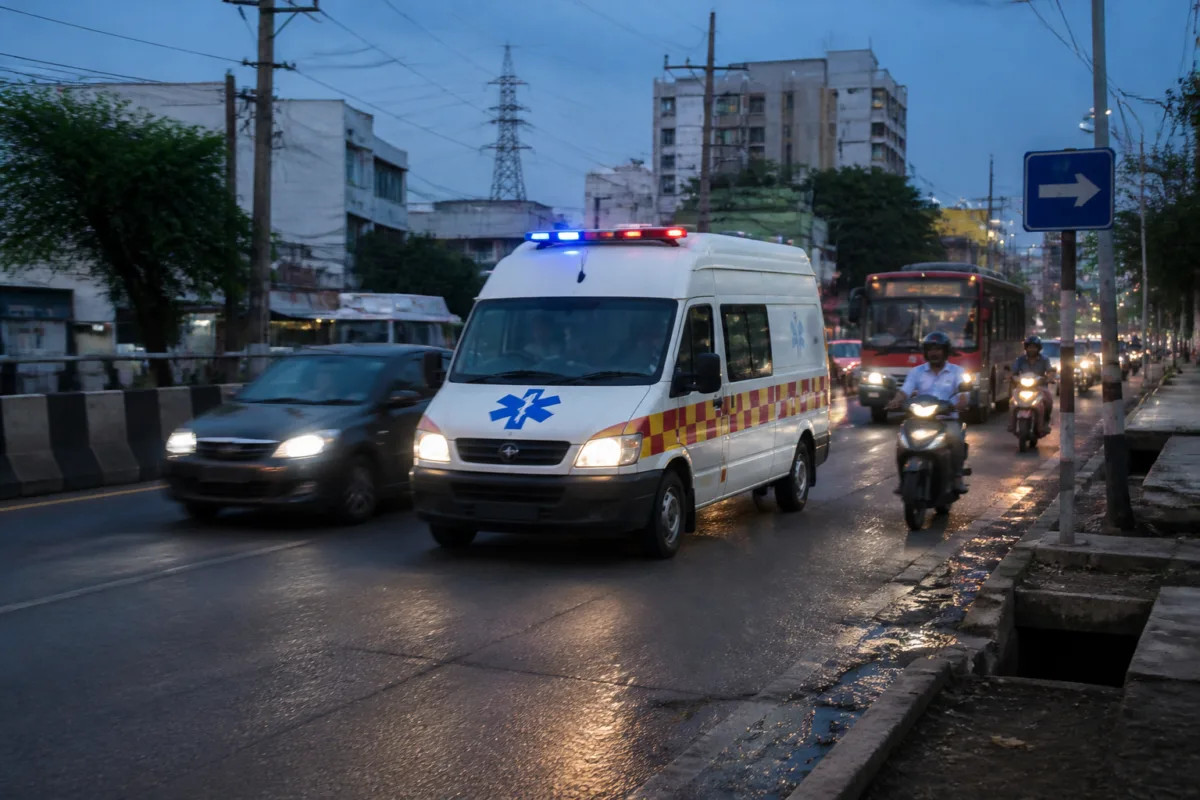
Transport Commissioner Rajesh Narvekar said the ambulance policy was expected to be ready by the end of November. Under the proposed system, an app and website would display ambulance availability, vehicle locations, estimated arrival times and charges. The report did not specify when the platform would be launched or which agency would operate it.
The proposed trauma-care hospitals would be located every 100 kilometres, while a fatality-reduction framework would cover 11 districts. The measures are intended to improve the response after crashes, although the report did not provide details on the number of hospitals planned, funding arrangements, staffing or implementation timelines.
Narvekar said speeding remained the main cause of road deaths and stated that Maharashtra recorded a road-accident fatality every 35 minutes. The report also said the state ranked sixth in road deaths, with around 16,000 deaths annually. Between 2014 and 2024, Maharashtra recorded 4,09,581 accidents, 2,48,922 deaths and 3,20,440 injuries, according to figures cited at the event.
Road conditions were also raised as a public-safety concern. Goregaon resident Dadarao Bhidore said his son, Prakash, died in 2015 after his motorcycle hit a pothole while he was travelling home from Bhandup. Bhidore later began filling potholes and said his Prakash Foundation now has around 40 volunteers. He told the event that the group had filled approximately 3,500 potholes across Mumbai’s eastern and western suburbs.
Bhidore said the group initially used paver blocks and later shifted to cold-mix asphalt after the use of paver blocks stopped in 2018. He also welcomed the construction of cement-concrete roads, while warning that small potholes could be difficult for riders to identify and could contribute to serious crashes.
Yogesh Dandge, a survivor from Shrirampur who lost both legs in an overspeeding crash and now works as a delivery executive, spoke to students about the consequences of speeding.
The proposed ambulance platform and trauma-care network would add an emergency-response component to the state’s road-safety measures. However, the effectiveness of the plan will depend on the policy’s final provisions, the coverage and reliability of the digital system, and the delivery of the proposed trauma-care facilities. The Transport Department’s stated deadline for the ambulance policy is the end of November.

