


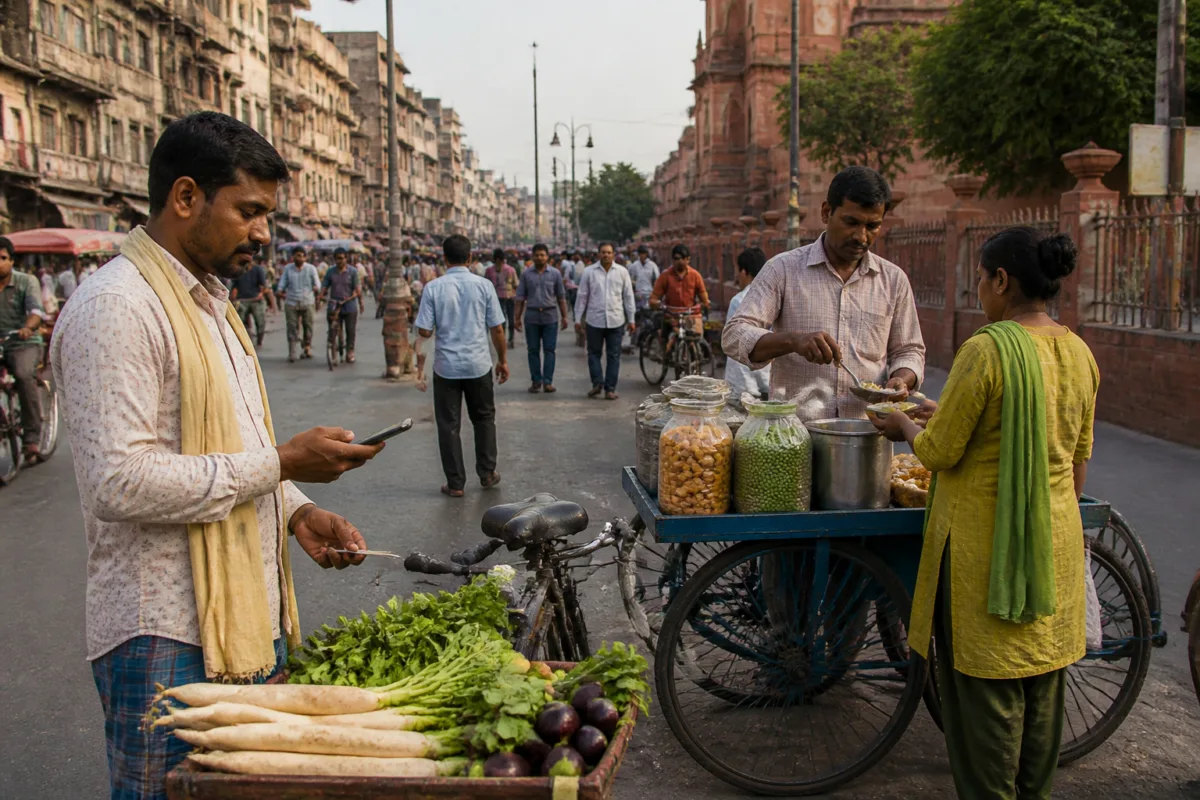
The Centre on 20 November recognised Madhya Pradesh, Uttar Pradesh and Andhra Pradesh for their performance in supporting street vendors through the PM SVANidhi scheme, at an awards ceremony in New Delhi.
Union Housing and Urban Affairs Minister Manohar Lal presented the PM SVANidhi Samman 2026 awards at the Dr Ambedkar International Centre. Minister of State for Housing and Urban Affairs Tokhan Sahu also attended the event.
A total of 52 awards and five special recognitions were presented to states, cities and banks for implementing the scheme and extending its benefits to street vendors, according to the report. Assam, Sikkim, Mizoram and Tripura were recognised in the category for northeastern and hill states.
Meerut and Ghaziabad were named the leading large cities in Uttar Pradesh. Dantewada and Bade Bacheli in Chhattisgarh, areas previously affected by left-wing extremism, received recognition for their performance in digital transactions.
The State Bank of India was recognised for the strongest overall performance in providing loans to street vendors. Bank of Baroda, Punjab National Bank and Union Bank were also honoured for loan distribution.
Lal described street vendors as “street wonders” and said the scheme had helped them move from small loans towards larger bank credit and expand their businesses. The minister said this had also contributed to greater social respect for vendors.
The PM SVANidhi scheme was launched in June 2020. The report said that more than 1.21 crore loans worth around ₹20,000 crore had been provided to approximately 81 lakh street vendors. Following changes introduced in August 2025, vendors can also receive a UPI-linked RuPay credit card with a credit limit of up to ₹30,000.
The government’s SVANidhi se Samriddhi programme has extended benefits from eight other central schemes to more than 52 lakh vendor families, the report said.
At the ceremony, Sahu cited an October 2026 World Bank report while discussing poverty reduction in India and linked the recognition of Chhattisgarh towns to the reach of welfare programmes. The account did not provide further details of the cited report or explain how the award performance was measured across categories.

