


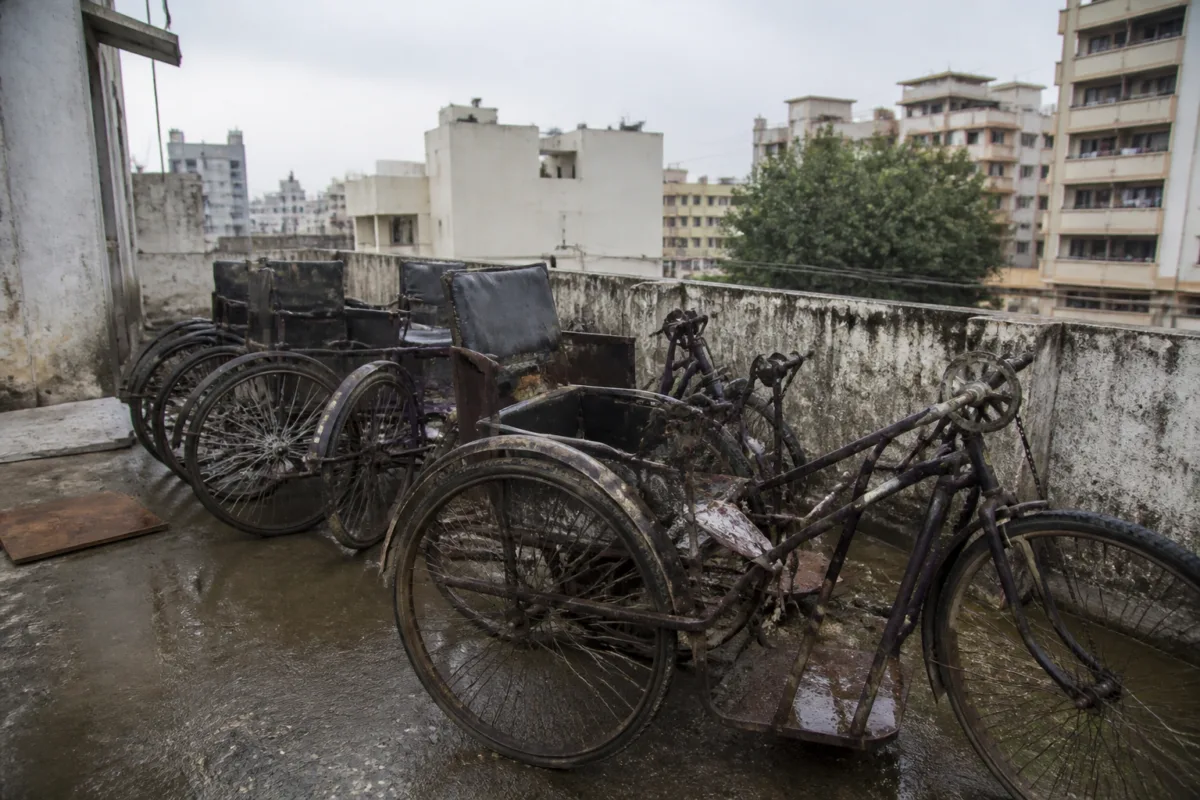
Nearly 640 cycles purchased by the Panvel Municipal Corporation to support voters with disabilities during elections are reportedly lying in a dilapidated condition, raising questions about public expenditure, asset retrieval and the maintenance of equipment intended for electoral access.
The cycles were procured around two years ago for use in helping voters with disabilities travel to and from polling stations. According to resident and activist Suresh Kharat, about 300 cycles were deployed at polling stations, but some were allegedly not returned after the polling process. The remaining cycles were also not maintained properly, he said.
The reported cost of the procurement is estimated at about ₹32 lakh, based on an approximate price of ₹5,000 per cycle. The report does not provide the corporation’s procurement documents or a final account of how many cycles were distributed, returned or remain in working condition.
Prakash Gaikwad, head of the civic body’s stores department, said the cycles had been purchased specifically for election-related arrangements for voters with disabilities. He said they were stored on the terrace of a government office in Kamothe because the corporation did not have adequate storage space.
Photographs and descriptions cited in the report indicate that some cycles have been exposed to neglect, with rust and damage reported. The condition of the equipment has raised concerns about whether the procurement achieved its intended accessibility objective beyond the election period.
Kharat has submitted a written complaint to the municipal commissioner seeking an inquiry. His demands include disclosure of the number of cycles and wheelchairs procured for persons with disabilities through the health department, the expenditure involved, procurement details and the list of beneficiaries who received the equipment.
He has also sought an investigation into responsibility for the reported deterioration and action against officials found accountable.
The case highlights several operational questions for the civic administration: how the cycles were allocated to polling stations, whether an inventory was maintained, how returned equipment was recorded, and what arrangements were made for secure storage and periodic maintenance after the election. It also raises the question of whether equipment purchased for accessibility was designed only for short-term electoral use or could have been integrated into a continuing mobility-support programme.
The corporation’s clarification on the number of cycles currently held, their working condition and the status of any missing equipment will determine the extent of the reported financial and administrative lapse.

