


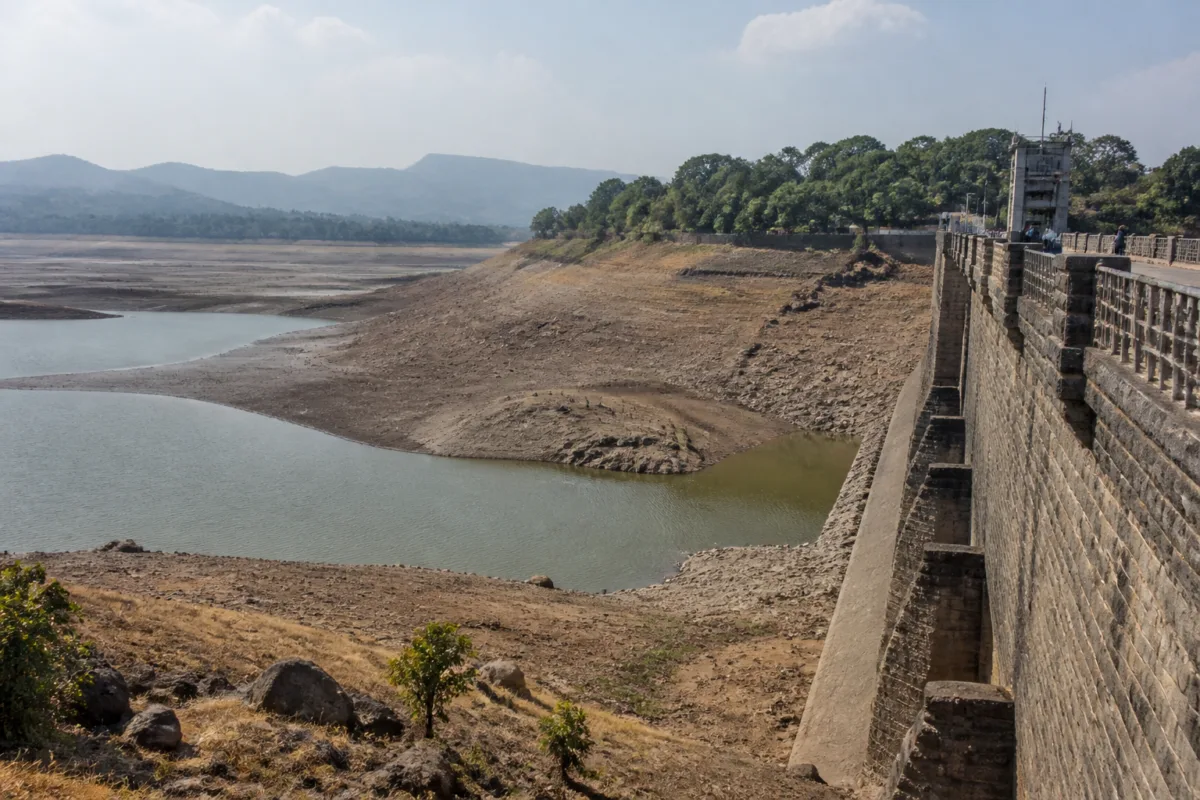
Pune water shortage concerns have intensified after storage in the reservoirs supplying the city was reported to be 6 TMC lower than at the same point last year, raising the prospect of tighter supply schedules in the months ahead.
According to a report by Pudhari, the reservoirs currently hold 21.25 TMC of water, compared with 27.60 TMC last year. The figures were cited by Congress leader Prashant Jagtap at a press conference, where he questioned which authorities would be accountable if Pune faced restrictions on municipal water supply.
The report attributed a possible supply schedule to officials from the water resources department. It said Pune could receive water three days a week during January and February, with the frequency potentially falling to once every 10 days in April, depending on the available storage. These projections were not independently confirmed in the source report.
Jagtap alleged that water had been released for the kharif agricultural season following directions from the offices of the chief minister and deputy chief minister. He argued that drinking water for Pune and water for livestock should receive priority during what he described as a drought-like situation.
The dispute highlights the competing demands placed on a shared reservoir system. Water must be allocated among urban households, agriculture and rural settlements, while the storage position also has to cover the dry months before the next dependable monsoon replenishment. Any reduction in municipal supply would affect households, businesses, public institutions and areas that already depend on private tankers or irregular distribution.
Jagtap also claimed that Pune could see 10 lakh to 12 lakh additional residents through migration in the coming period and warned that several talukas in the district could also be affected. The report provided no supporting population estimate or official forecast for this claim.
The immediate public-interest question is whether the state government, water resources authorities and Pune’s civic administration have a clearly disclosed allocation plan for drinking water. Such a plan would need to explain reservoir releases, the city’s expected demand, rural requirements and the trigger points for any reduction in supply.
The source report did not include a response from the chief minister’s office, the deputy chief minister’s office, the water resources department or Pune’s municipal administration. It therefore remains unclear whether the reported supply schedule is a formal decision, an administrative projection or a warning based on current storage trends.
For residents, the reported decline is a reminder that the city’s water security depends not only on rainfall but also on how reservoir releases are planned and communicated. Confirmed storage data, an official distribution calendar and transparent criteria for prioritising drinking water would be necessary to assess the scale and timing of any shortage.

