


Kerala’s northeast monsoon rainfall deficit has widened to 24%, adding pressure to the state’s water and power systems after a 28% shortfall during the southwest monsoon earlier this year, according to a report citing India Meteorological Department (IMD) data.
Between Oct 1 and Nov 18, Kerala received 32cm of rain against the normal 42cm. Only six districts recorded normal rainfall during the ongoing northeast monsoon season. Malappuram reported the highest deficit at 40%, while Thrissur and Kasaragod each recorded a 35% shortfall.
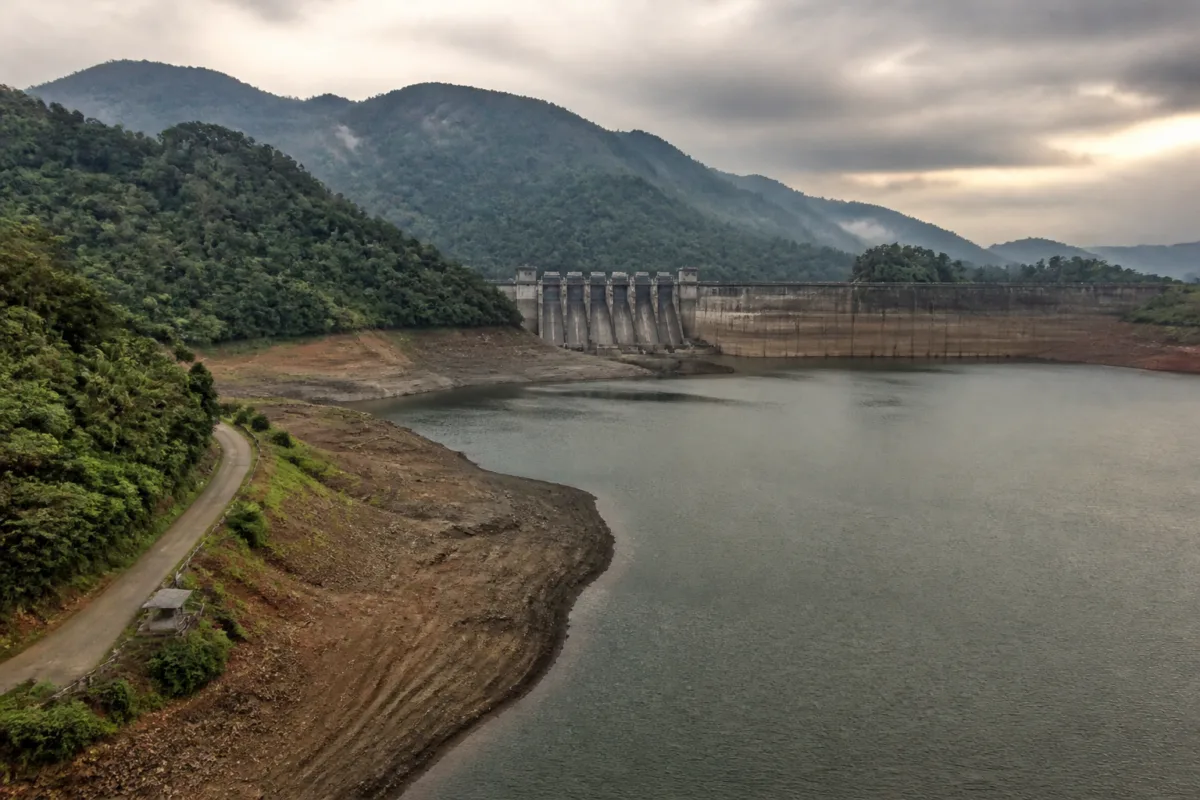
The rainfall gap has coincided with lower storage in several reservoirs operated for power generation. Water storage in seven of Kerala State Electricity Board’s 17 major power-generation reservoirs was below 50%, the report said. The data points to a potential pressure point for the state’s electricity and water planning, although the report does not provide a forecast of power supply or municipal water shortages.
IMD officials attributed part of the weak rainfall to cyclonic activity over the Bay of Bengal, which disrupted the usual movement of moisture-bearing winds towards Kerala. An official also said the effects of El Nino remained a factor. Three cyclonic circulations had formed over the Bay of Bengal during the northeast monsoon season, the official said.
The IMD forecast light rain at isolated places in Kerala from Nov 18 to 22 and issued no rainfall warnings for the state until Nov 23. Rain or thundershowers were expected at one or two places until Nov 24. A severe cyclonic storm over the Bay of Bengal was expected to cross the north Andhra Pradesh–Yanam and south Odisha coasts on Nov 20, with wind speeds gusting up to 110kmph.
The immediate outlook therefore offers limited indication of a broad recovery in rainfall. For Kerala’s urban areas, the combination of a second consecutive seasonal shortfall and reduced storage in some major reservoirs makes continued monitoring of water resources and power-generation capacity important. The report, however, does not specify any new state response or operational measures by KSEB or local water authorities.

