


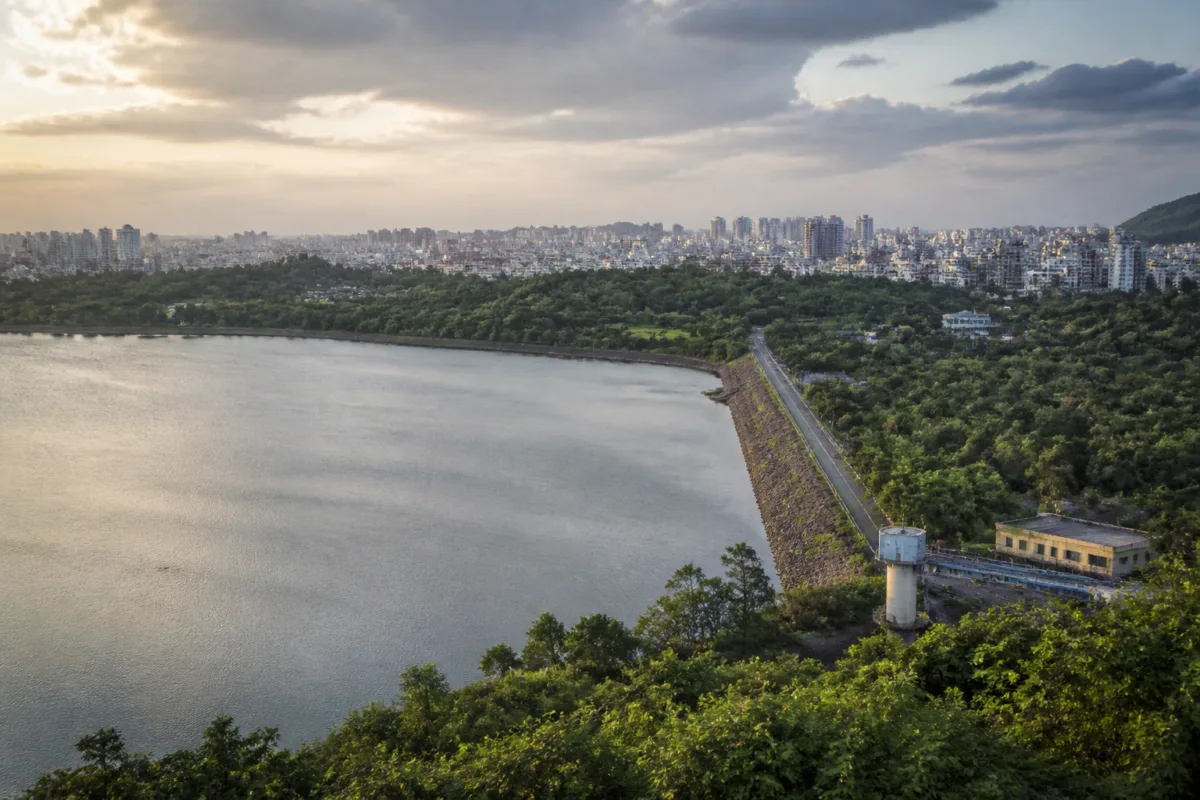
Pune’s water supply planning will come under review at a meeting chaired by Maharashtra Chief Minister Devendra Fadnavis on 20 November, with discussions expected on an increased quota, water from Mulshi dam and alternative sources for the Pune Metropolitan Region.
The meeting will cover the requirements of Pune and Pimpri-Chinchwad municipal corporations as well as talukas within the wider metropolitan region. The discussions come as population growth, urban expansion and the inclusion of new villages increase demand on existing water sources.
According to information submitted by the Pune Municipal Corporation’s water supply department to the state Water Resources Department, Pune city and 34 newly included villages will require 21.03 thousand million cubic feet of water in 2025-26. The approved allocation from the Khadakwasla, Pavana and Bhama Askhed reservoirs is 14.61 TMC, leaving a significant gap between the stated requirement and the currently sanctioned quota.
The municipal corporation has also raised an issue over the treatment of a 1.75 TMC allocation intended for the newly included villages. The Water Resources Department has informed the civic body that the quota would be transferred to the municipal corporation, but the civic administration has said that this amount is not being included in its approved allocation.
Pune has separately sought five TMC of water from Mulshi dam for non-irrigation use. The civic body submitted the proposal in July 2024, but a decision on it is still pending. The request is expected to be pursued during the chief minister’s meeting.
Other options likely to be discussed include bringing water from Khadakwasla to Fursungi through a tunnel and supplying water from a canal to villages included in the municipal limits around Uruli Devachi. These proposals point to a planning challenge that extends beyond the present allocation: the region’s water system must serve multiple municipal jurisdictions and rapidly urbanising areas at the same time.
The need for a broader plan has also been linked in the report to the possibility of lower rainfall and rising migration into Pune district from drought-affected parts of the state. The report attributes the rainfall concern to the anticipated influence of El Niño, while also noting that the region’s expanding urban population is increasing future demand.
Long-term projections presented in the report indicate that Pune’s annual water requirement could reach 47.13 TMC by 2055. That estimate makes the forthcoming meeting significant not only for the immediate quota dispute but also for decisions on new sources, inter-agency coordination and the infrastructure needed to convey and distribute water across the metropolitan region.
The meeting is expected to clarify whether Pune receives an increased water quota, whether the Mulshi proposal advances and how the proposed tunnel and canal-based alternatives will be evaluated. These decisions will determine the next stage of water planning for Pune, Pimpri-Chinchwad and the surrounding urbanising areas.

