


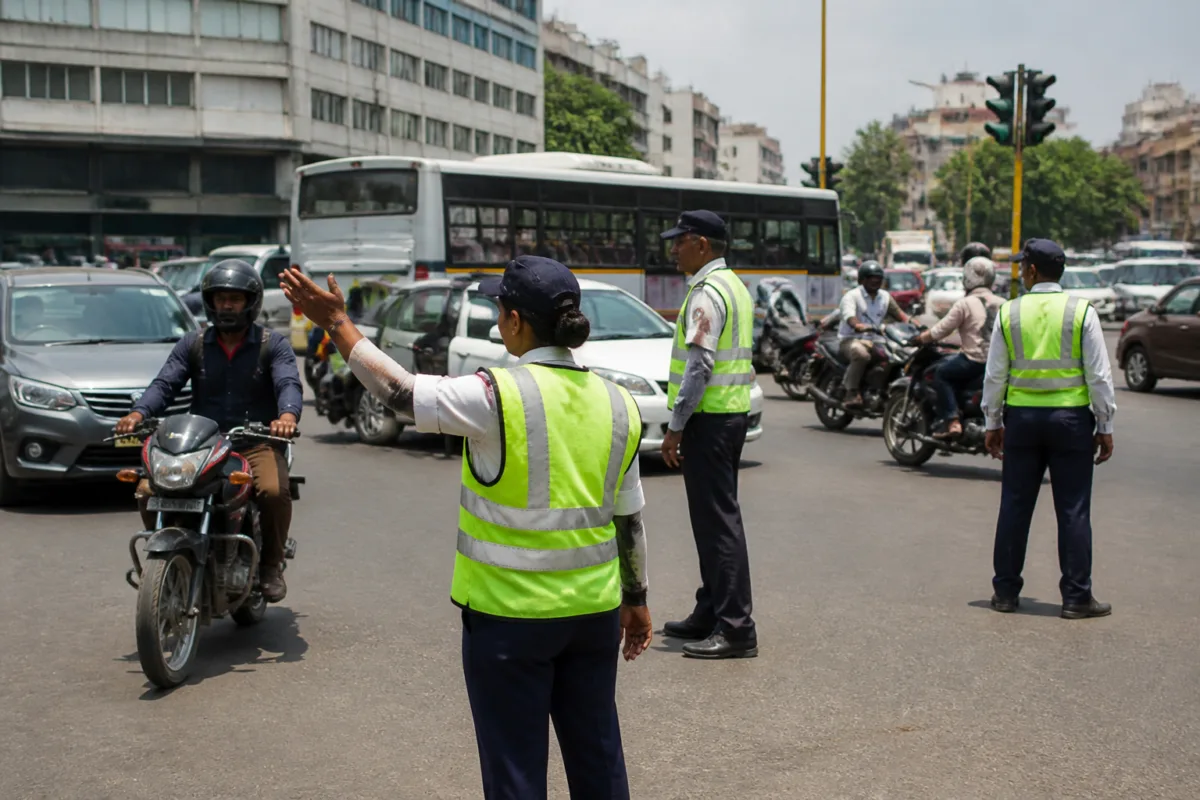
Pune Municipal Corporation has lifted its stay on the appointment of traffic wardens, allowing the process to resume after an internal inquiry found no concrete evidence of wrongdoing in the contractor’s eligibility, documents or financial transactions. The civic body plans to deploy 500 wardens to support traffic police at congestion-prone locations across the city.
Municipal commissioner Naval Kishor Ram had halted the appointment process on October 1 after complaints alleged irregularities. He ordered an inquiry through the vigilance and security departments, led by deputy commissioners Prasad Katkar and Tushar Babar. The inquiry examined the contractor’s qualifications, required documents and financial dealings before concluding that it had not found concrete evidence of malpractice, according to the report.
Following a hearing involving the concerned parties, the commissioner decided to lift the stay. The decision clears the way for the municipal corporation to restart the recruitment and deployment process, although the source report does not specify a fresh start date or a revised appointment schedule.
The original plan was to appoint 316 wardens at roads affected by congestion from various municipal projects and at junctions identified by the traffic police. The project department was initially assigned responsibility, but no action was taken for four months. The civic body subsequently decided to route the appointment through its security department, which prepared an advertisement for recruiting 316 wardens.
That advertisement was held back after a senior municipal office-bearer reportedly insisted that the appointments be made directly rather than through a tender process. The municipal corporation then increased the proposed strength from 316 to 500 wardens. Its standing committee also approved an estimated annual expenditure of around Rs 17 crore for the deployment.
The appointment process had faced scrutiny because the work was assigned without a tender to Jaisinghwar Associates, identified in the report as the contractor. The company had previously supplied manpower to the municipal health department, where officials had reportedly found substantial deficiencies and placed it on a blacklist. Questions arose after the company was removed from the blacklist and subsequently given the traffic warden contract. The municipal inquiry, however, did not find concrete evidence of financial or procedural wrongdoing in the examined records, as reported by the source.
The civic body had already recruited 225 people before the stay came into effect. During the Ganeshotsav period, 120 of them were deployed on the ground. With the stay now lifted, additional manpower is expected to be provided at locations based on requirements received from the traffic police.
The municipal corporation also plans to monitor the wardens’ attendance and presence through an online system. The arrangement will place the traffic police in the position of identifying locations requiring support, while the civic administration will provide and supervise the contracted manpower. The next operational step is the resumption of the appointment process and deployment according to traffic police requirements.

