


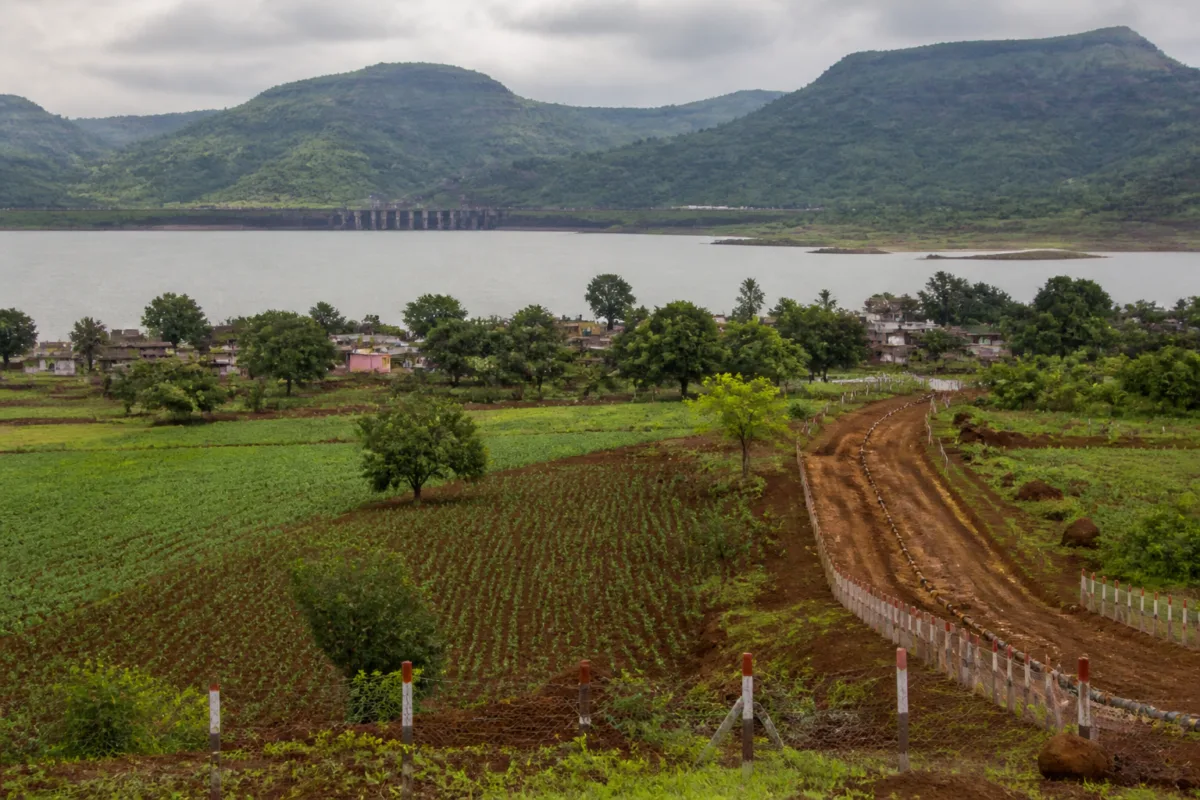
The Pavana pipeline project faces renewed opposition from Maval farmers, who will meet Maharashtra chief minister Devendra Fadnavis in Mumbai on November 19 over the proposed diversion of dam water to Pimpri Chinchwad and long-pending rehabilitation claims linked to the Pavana dam.
The chief minister has invited representatives of two farmer groups to the meeting, with five farmers from each delegation expected to attend. One group is seeking rehabilitation for families whose land was acquired for the construction of the Pavana dam in 1972. The other is opposing Pimpri Chinchwad Municipal Corporation’s plan to transport water directly from the dam through a closed pipeline.
Farmers opposing the pipeline project have argued that it would stop the release of water into the Pavana river. They say villages and farmers downstream depend on that flow for irrigation. The dispute therefore involves both the city’s demand for a more controlled water supply and the concerns of rural communities dependent on the river system.
“This will be the first meeting between farmers and chief minister. On Oct 1, the CM assured us over the phone that he would hold a meeting to address our concerns. We then called off our protest, led by Raju Shetti, in Maval,” said Dnyaneshwar Dalvi, president of the Pavana Closed Water Pipeline Project Kruti Samiti.
The rehabilitation dispute dates back to the acquisition of land for the dam. Farmers who surrendered their land have been demanding four acres for each affected family. During an earlier meeting with former deputy chief minister Ajit Pawar, a proposal was discussed to allot two acres from unused land acquired for the dam and provide the remaining two acres elsewhere in the district, subject to land availability. The proposal has not been implemented.
Dalvi said Pawar had held discussions with farmers and that some progress had been made on the rehabilitation issue, although no final decision was reached. Former Pune guardian minister Girish Bapat had also held talks with the affected communities, according to the report.
The November 19 meeting comes as the state government and civic authorities seek to revive the pipeline project, which has remained stalled since 2012. Three farmers protesting against the project were killed in police firing that year, making the proposed revival particularly sensitive for the affected villages and families.
Earlier this year, Fadnavis met elected representatives from Maval and Pimpri Chinchwad along with officials from the departments concerned to discuss reviving the project. He assured them that farmers would be consulted before any decision was taken.
The project is being pursued by Pimpri Chinchwad because civic officials say a closed pipeline could save an additional 100 million litres per day of water that is otherwise lost through evaporation in the open river. Officials have also said that transporting water through a closed system could reduce contamination and improve water quality.
The chief minister’s meeting is expected to bring the rehabilitation demand and the pipeline’s downstream water-flow implications together in a single discussion. No final decision on the project or the land-allotment proposal had been announced in the supplied report before the meeting.

