


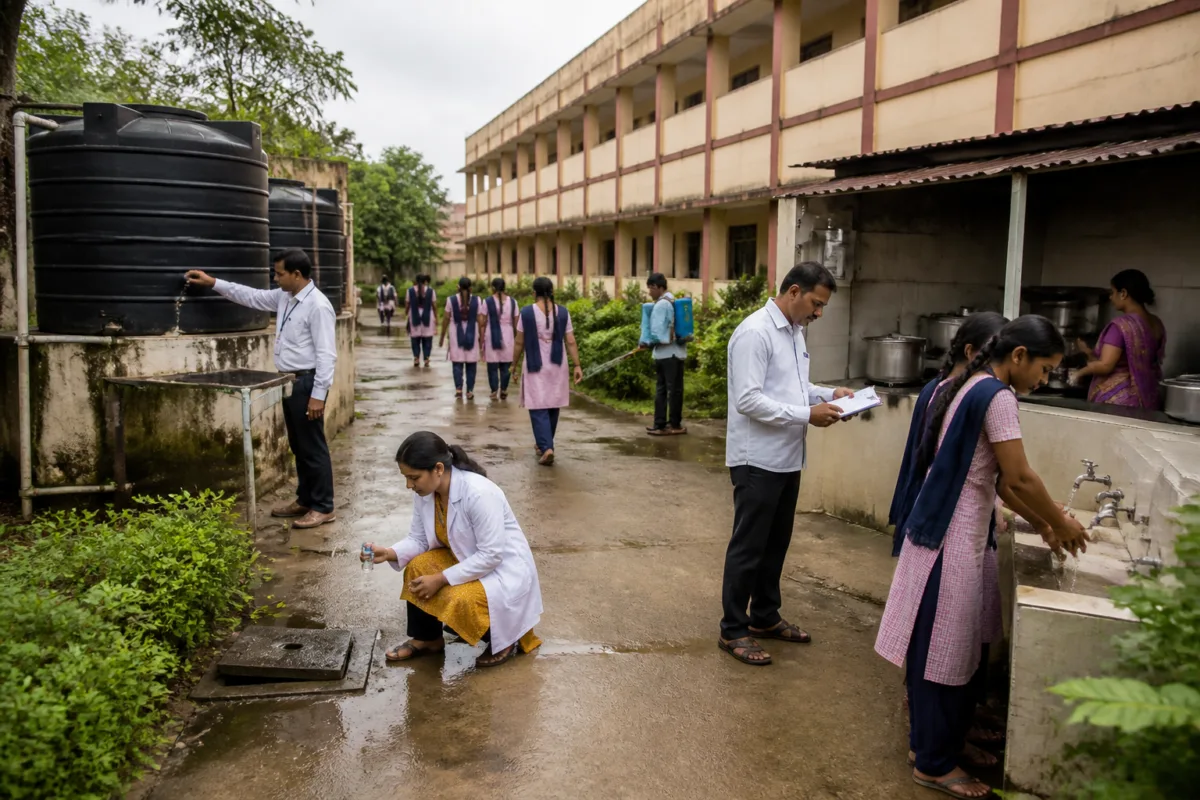
A state health survey has identified skin diseases, anaemia, dental problems, lung ailments and infectious diseases among students living in government welfare hostels across Andhra Pradesh, prompting officials to call for tighter checks on drinking water, sanitation, kitchens and mosquito control.
Medical teams examined 2,65,556 students in 2,148 welfare hostels between November 1 and 13, according to a report submitted to Andhra Pradesh Health Minister Satya Kumar Yadav. The survey was conducted on the directions of Chief Minister N. Chandrababu Naidu and the health minister after two consecutive cyclonic storms.
The teams recorded 4,436 cases of skin diseases, 3,218 cases of anaemia, 2,750 dental problems and 961 lung ailments. They also found 85 cases of gastroenteritis, 14 cases of malaria and eight cases of typhoid. A further 1,842 students were listed as having other health problems.
The findings place the condition of welfare hostels at the centre of the state’s response. The medical teams inspected drinking water quality, sanitation, personal hygiene, food quality and other facilities during their visits, making the exercise broader than a clinical screening of students.
Health commissioner K.V.N. Chakradhar Babu and health director R. Venkata Raman submitted the report to the health minister. They called for regular quality testing of drinking water, improved cleanliness in kitchens and surrounding areas, and measures to control mosquitoes.
The survey figures cover a large network of state-run residential facilities, where the quality of everyday services can directly affect students’ health. The reported cases span conditions associated with hygiene, nutrition, respiratory exposure and infectious disease, although the supplied report does not establish the specific cause of each case or indicate whether the conditions were linked to particular hostels.
The results also show the administrative challenge involved in maintaining welfare hostels across the state. Health screening can identify affected students, but the recommendations submitted with the report focus on routine systems inside and around the facilities, including water testing, kitchen cleanliness and mosquito control.
The next steps identified by health officials are regular drinking-water quality tests, stronger cleanliness measures and action to reduce mosquito breeding and exposure. The supplied report does not specify a deadline for implementing these measures or whether follow-up inspections have been scheduled.

