


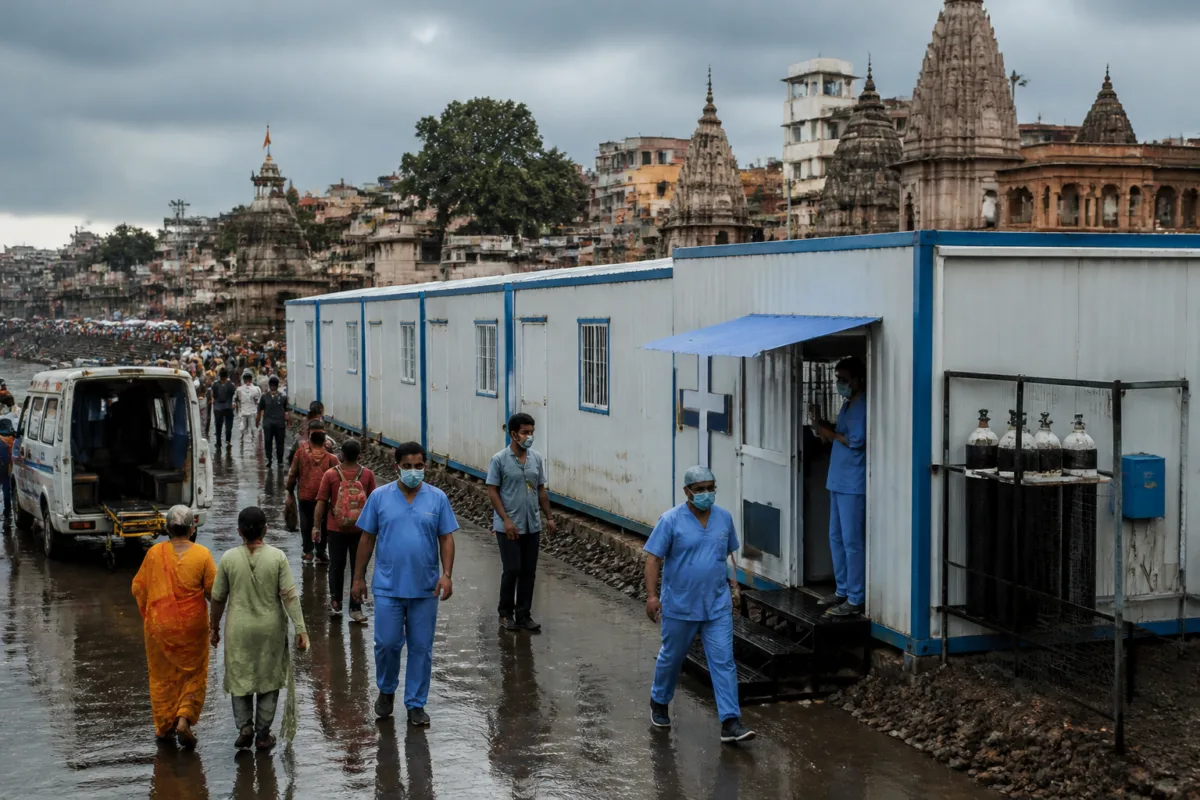
The Nashik Kumbh Mela 2027 health plan will include 150 porta-cabin dispensaries and hospitals across Nashik and Trimbakeshwar, with the facilities intended for reuse in tribal-dominated and slum areas after the religious gathering ends.
The health department is developing the temporary medical infrastructure in three formats as part of planning for the large crowds expected during the Kumbh Mela. The Kumbh Mela authority is also focusing on detailed planning to reduce the risk of medical and other emergencies during the event.
The need for additional medical capacity is linked to the timing of the major bathing events, which will take place during the monsoon. The report said rainfall and changing weather conditions could increase the risk of infectious and communicable diseases during the gathering. The planned porta-cabin network is being designed with these conditions in mind.
The first type of facility will provide outpatient consultations and necessary medicines. These centres are intended to offer initial medical assistance to people who fall ill or require treatment while attending the event. The report did not specify the locations of individual outpatient centres or the staffing pattern for these facilities.
The second category will comprise three-bed hospitals. Each unit is expected to have three beds, a separate room for a doctor, oxygen support, a pharmacy and a laboratory. These facilities will provide a higher level of on-site care than the outpatient centres and are intended to support patients who require observation or treatment within the Kumbh area.
The third type of facility will be established near the ghats and will include intensive care capacity. These hospitals are expected to have beds, ventilators and a pharmacy so that patients can receive immediate treatment during emergencies. Once a patient’s condition is stabilised, the patient will be shifted to another hospital for further care.
The plan creates a temporary health network linked to the specific operational needs of the Kumbh Mela while also identifying a longer-term use for the infrastructure. After the event, the porta-cabin dispensaries and hospitals are expected to be deployed in tribal areas and slum settlements, where access to fixed medical facilities may be more limited. The report did not provide details of the transfer process, operating agencies, funding arrangements or the timeline for relocation.
The announcement places post-event utilisation at the centre of the temporary infrastructure plan. For the Kumbh Mela, the facilities are intended to support outpatient care, short-stay treatment, emergency stabilisation and intensive care near crowded bathing areas. After the gathering, the health department plans to redirect the units to other underserved parts of the region. Further details on the number of facilities in each category and their final locations have not been released in the supplied report.

