


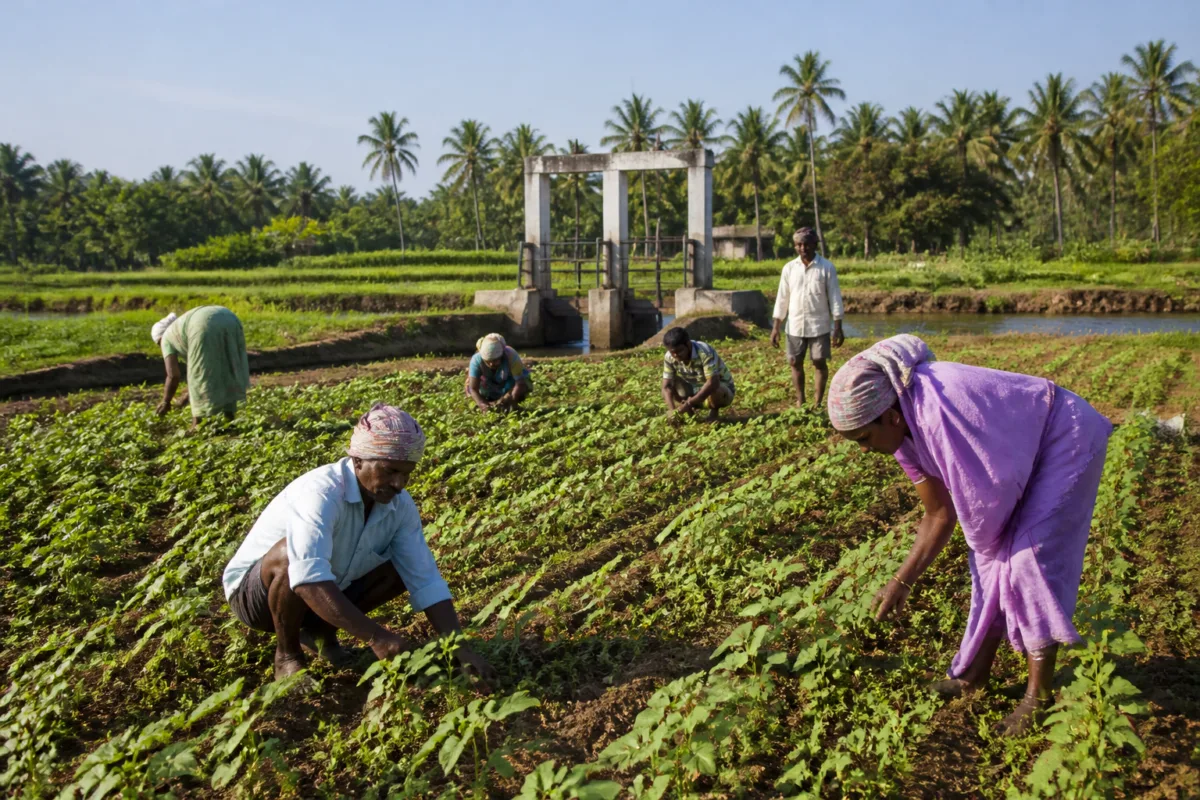
Around 120 farmers in Karekhazan, Goa, have begun cultivating cowpea across 15 hectares during the rabi season, reviving agricultural land that had remained largely unused for nearly two decades. The initiative follows paddy cultivation on the same fields during the kharif season and is being carried out with support from the agriculture department.
The Karekhazan Tenants Association is working with the Bicholim Farmer Producer Organisation (FPO) on the cultivation drive. Farmers have procured approximately 200 kg of cowpea seeds supplied through the agriculture department and expect to harvest around five tonnes by the end of the rabi season, subject to growing conditions and crop performance.
Cowpea is widely cultivated in Goa and is known locally as Alsando when referring to the red, bold variety and Chowli for the cream-coloured variety. The Karekhazan farmers are growing a local variety as part of the effort to maintain cultivation through the post-monsoon period.
For the farming community, the programme marks an attempt to restore agricultural activity on land that had remained fallow for nearly 20 years. “For the farming community, this initiative is an important effort to restore the rhythm of cultivation on agricultural land that has remained fallow during the post-monsoon period for nearly two decades,” said FPO chairperson Vishwambar Gawas.
Karekhazan is a low-lying agricultural area where water management and soil conservation are important to sustaining cultivation. Farmers said they have been working with the government on repairs to bunds, soil conservation works and improvements to sluice gates. These interventions are intended to support agricultural activity in fields where the movement and retention of water directly affect the viability of cultivation.
The return to farming also brings a practical test for the area’s land and water systems. The farmers said salinity is not currently affecting the fields, despite concerns commonly associated with low-lying coastal agricultural areas. They pointed to the successful kharif paddy crop as an indication that conditions have remained suitable for cultivation.
“We had a successful kharif season growing paddy, so we can anticipate a successful rabi season as well,” Gawas said.
The planned cowpea harvest will depend on growing conditions and crop performance through the rabi season. For now, the initiative combines farmer coordination, agricultural department support and repairs to basic field infrastructure to bring Karekhazan’s fallow land back into productive use.

