


The Pune district administration has reclaimed six hectares of land that were found to have been allotted twice under the rehabilitation process for the Gunjavani project, while beginning efforts to identify eligible project-affected people who have not yet received their rehabilitation benefits.
The action followed complaints about duplicate land allotments made to beneficiaries whose land had been acquired for dam and irrigation projects in the district. The administration subsequently began a verification drive to establish whether beneficiaries had received rehabilitation benefits, how much land had been allotted to each person and which eligible project-affected families remained excluded.
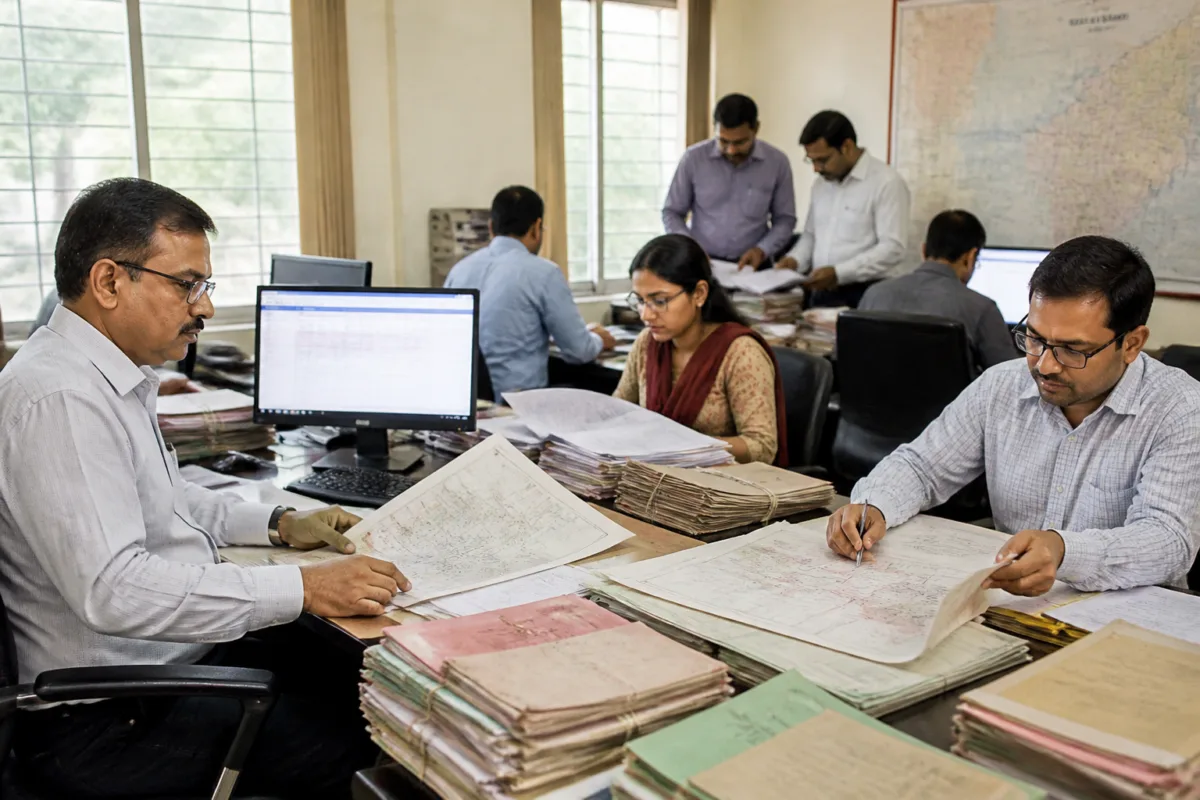
The exercise brought together land-allotment information on a computerised system. In some cases, more than one allotment record was linked to the name of the same project-affected person. However, the administration did not treat multiple digital entries as conclusive proof of duplicate benefits. Officials examined whether the entries represented separate plots issued under a single valid allotment or resulted from technical differences in the records.
For this reason, the administration checked the original land-allotment orders and rehabilitation documents before taking a decision. The process was intended to distinguish genuine duplicate allotments from cases where one valid benefit had been recorded through more than one entry or across different land parcels.
People connected with the cases were also given an opportunity to present their position and submit supporting documents. Following that process, the administration took back six hectares of land identified as having been allotted twice in connection with the Gunjavani project. The district administration described the action as the first such recovery of duplicate rehabilitation land allotments in several years.
The issue highlights the administrative challenge of managing rehabilitation benefits after land is acquired for public infrastructure. Rehabilitation land is intended for project-affected people, but incomplete or inconsistent records can make it difficult to establish who has received the benefit, whether an allotment is valid and who remains eligible. The current verification exercise is therefore examining both excess allotments and unaddressed claims.
Pune district collector Jitendra Dudi said action was being taken according to the rules after giving concerned people an opportunity to be heard in cases where duplicate benefits were identified. He also said efforts would be made to ensure that eligible project-affected people who had not received rehabilitation benefits could obtain them.
The administration’s next steps are to continue reviewing rehabilitation records, complete the identification of eligible beneficiaries who remain without benefits and take action in other cases where duplicate allotments are established after document verification and hearings.

