


Tamil Nadu’s delay in releasing overseas scholarship funds has left students from Scheduled Caste and Scheduled Tribe communities facing unpaid tuition fees, mounting debt and possible eviction threats, according to an RTI-based report cited by the Times of India. The issue involves students enrolled in universities in the UK, UAE, Canada and Ireland under the state’s Annal Ambedkar Overseas Higher Education Scholarship Scheme.
Former Tamil Nadu chief minister and DMK president MK Stalin criticised the state government over the delay, saying only 65 of the 164 students who had enrolled at foreign universities during the current academic year had received assistance. The figures were cited from an RTI reply reported by the Times of India.
According to the report, the state had selected 365 candidates for the 2026-27 academic year. Of these, 164 had joined universities overseas. The government had disbursed Rs 19.53 crore to 65 students, leaving the remaining scholars awaiting assistance after completing the required documentation and verification process.
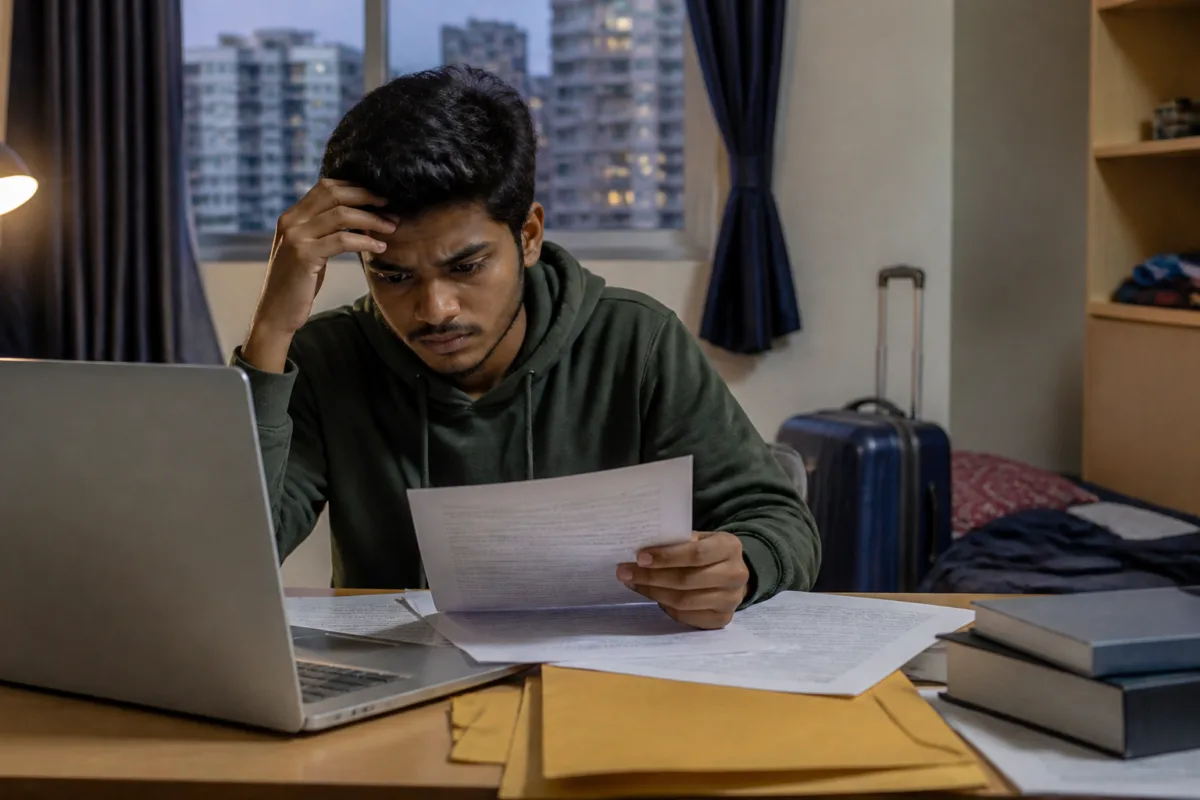
The delay has reportedly placed affected families under financial pressure. Students and their families told the Times of India that universities were pressing them to clear unpaid fees, while some faced eviction threats. Others had taken on debt to manage expenses while waiting for the scholarship funds to be released.
Stalin questioned the reason for the delay and alleged that the welfare scheme was being weakened. In a statement on X, he said the pending payments were causing mental distress and hardship for students and warned that prolonged delays could discourage young people from marginalised communities from pursuing higher education abroad. He also alleged that the administration’s stated commitment to social justice was not being reflected in the implementation of the scheme.
The Annal Ambedkar scheme is intended to support eligible SC/ST students pursuing higher education in foreign universities. For students who have already enrolled, the timing of disbursement is directly linked to tuition payments and living arrangements in the host country. A delay therefore affects not only access to the scholarship but also their ability to remain enrolled and housed while their academic programmes are under way.
The report did not establish whether the pending applications had been rejected or were still under departmental verification. It attributed the delay to prolonged verification processes and recorded the financial difficulties reported by students and their families. The number of students who remained unpaid was also based on the figures cited from the RTI reply.
Adi Dravidar and Tribal Welfare Department secretary Dr N Subbaiyan told the Times of India that the matter would be examined with the section concerned and that necessary steps would be taken. The department’s review is the next stated administrative step in resolving the pending scholarship payments.

