


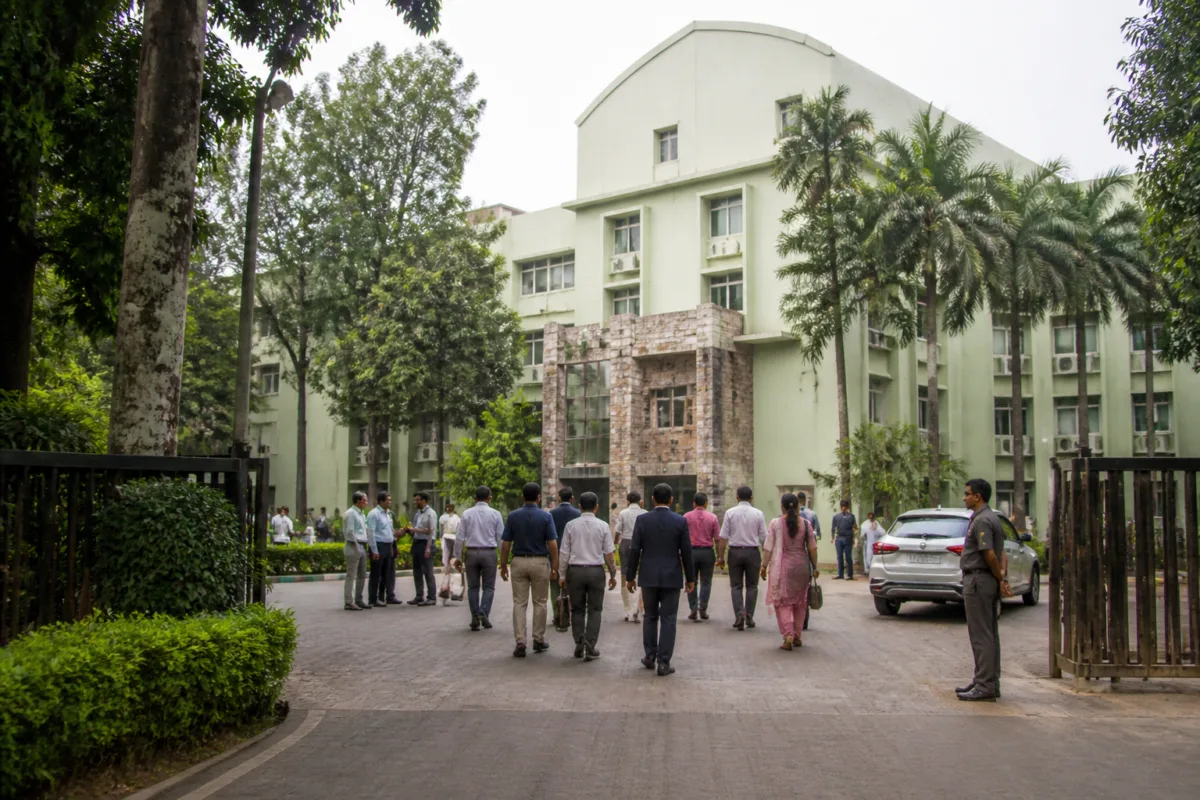
The parliamentary standing committee examining the ISI Bill 2026 will visit the Indian Statistical Institute’s campus at Bon Hooghly on November 25 and 26 to hear views from its teaching and non-teaching staff and other stakeholders, as opposition grows to the proposed overhaul of the institute’s governance structure.
Saugata Roy, Trinamool Congress MP from Dum Dum and a member of the committee, said the panel would first meet in Delhi to discuss the Bill with external experts before travelling to the ISI campus. The committee will use the consultations to frame its recommendations, he said.
“Before visiting the campus, the standing committee will meet in Delhi and hold discussions with external experts on the ISI Bill. It will then visit the campus and meet the teaching and non-teaching staff and other stakeholders,” Roy told The Telegraph. “We want to hear what the stakeholders have to say about the Bill. Those opposed to it must explain their reasons, while those supporting it must spell out the grounds for their support.”
The Bill was introduced in the Lok Sabha in July and referred to the standing committee after opposition from several quarters. If enacted, it would repeal the Indian Statistical Institute Act, 1959, under which ISI received the status of an Institute of National Importance, and replace the existing ISI Council with a board of governors as the institute’s highest decision-making body.
The proposed board would consist primarily of nominees of the Union ministry of statistics and programme implementation. The current council includes ISI professors and non-teaching staff, while the proposed structure would not include even the dean of academics. Only two members of the academic council would be included, both being ISI professors nominated by the board, according to an institute professor cited in the report.
Several ISI professors have opposed the Bill, alleging that the ministry drafted it without consulting the institute’s teachers and scientists. An assistant professor said the faculty was preparing to explain its concerns to the visiting committee.
The governance proposal has already faced questions within the parliamentary committee. During a September 9 meeting with ministry officials, members questioned why the existing law needed to be repealed to speed up decision-making. The ministry argued that a new law was necessary for faster decisions, while committee members suggested that the same objective could be achieved by reducing the 33-member council to 12 members, in line with a recommendation from a ministry-appointed review committee on ISI’s governance structure.
The upcoming visit will therefore place the proposed transfer of authority from the existing council to the ministry-dominated board at the centre of the committee’s stakeholder consultations. The panel is expected to make its recommendations after hearing external experts, ISI faculty, non-teaching staff and other stakeholders.

