


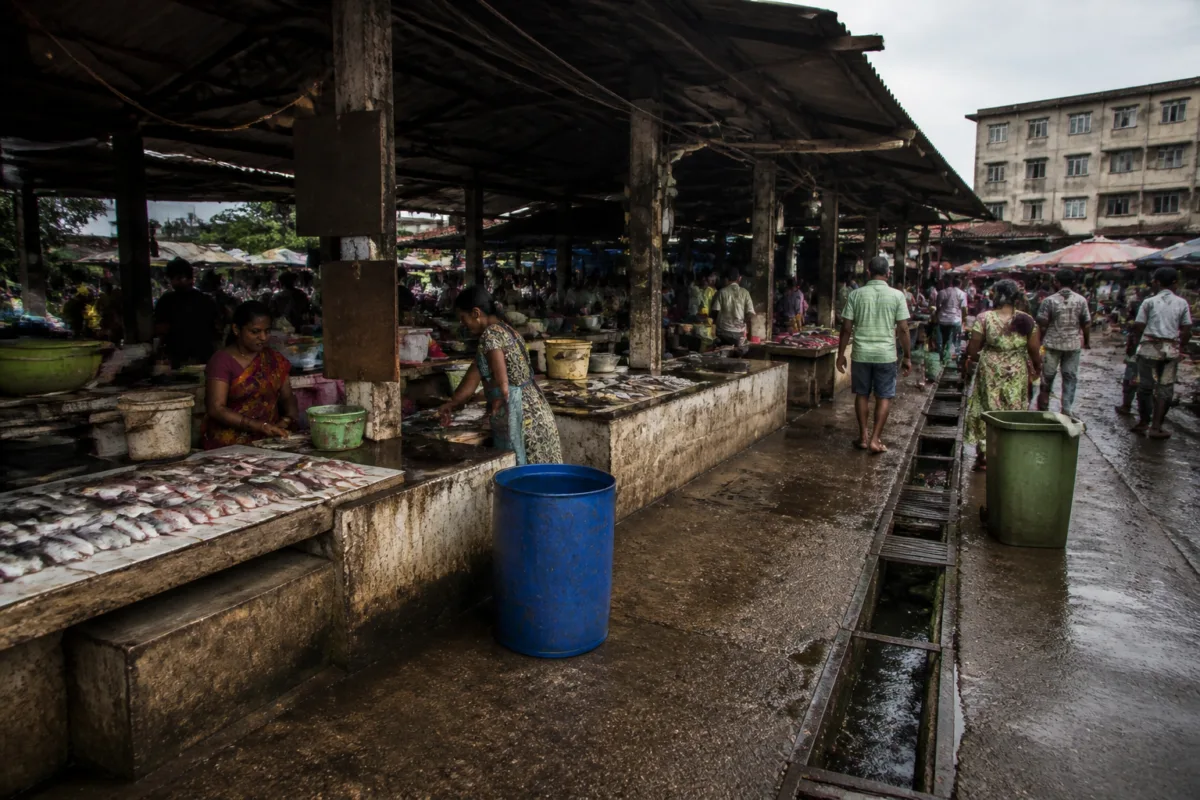
The Margao retail fish market has been flagged for irregular waste collection, hazardous electrical wiring, open drains and inadequate water facilities during an inspection by a committee examining the functioning of South Goa Planning and Development Authority markets.
The inspection was conducted on Tuesday by a 15-member committee headed by Ganesh Barve, deputy collector and sub-divisional magistrate of Salcete. It was the committee’s second on-site inspection after its first visit to the wholesale fish market on October 22.
Roland Martins of the Goa Consumer and Citizens Action Network, who is a member of the committee, said the panel was examining the weaknesses at the market and identifying the laws or regulations under which action could be initiated. He said irregular waste disposal and hazardous electric wiring were among the violations found during the inspection.
The committee also recorded concerns related to open drains and improper water facilities. These shortcomings affect the basic systems required for a food market, including sanitation, safe electrical operations, drainage and access to water. The inspection was conducted as part of a wider review of the SGPDA retail market complex and the wholesale fish market.
Martins said every department represented on the committee would submit its report and recommendations to the collector. The reports are expected to identify the corrective action required and the authority responsible for implementing it.
The committee has also identified areas where responsibility is unclear. Martins described these as “grey areas”, saying that some of the violations did not fall clearly within the jurisdiction of any department represented on the panel. The administrative overlap could affect how quickly corrective measures are ordered and implemented.
The panel was formed on September 4 with a mandate to inspect both market facilities and assess sanitation, public health, infrastructure, fire safety and stall arrangements. It is also expected to recommend short-term, medium-term and long-term measures, along with deadlines for addressing the problems identified.
The findings place market management and public authorities under pressure to clarify responsibility for routine services such as waste removal, electrical safety, drainage and water supply. Fish markets require reliable sanitation and infrastructure systems because their daily operations involve wet waste, water use and large numbers of vendors and customers.
The newly built wholesale fish market is already being used, although it has not yet been officially made operational. Martins said another inspection would be held after the facility receives official operational status. The committee’s reports and recommendations are expected to be submitted to the collector for further action.

