


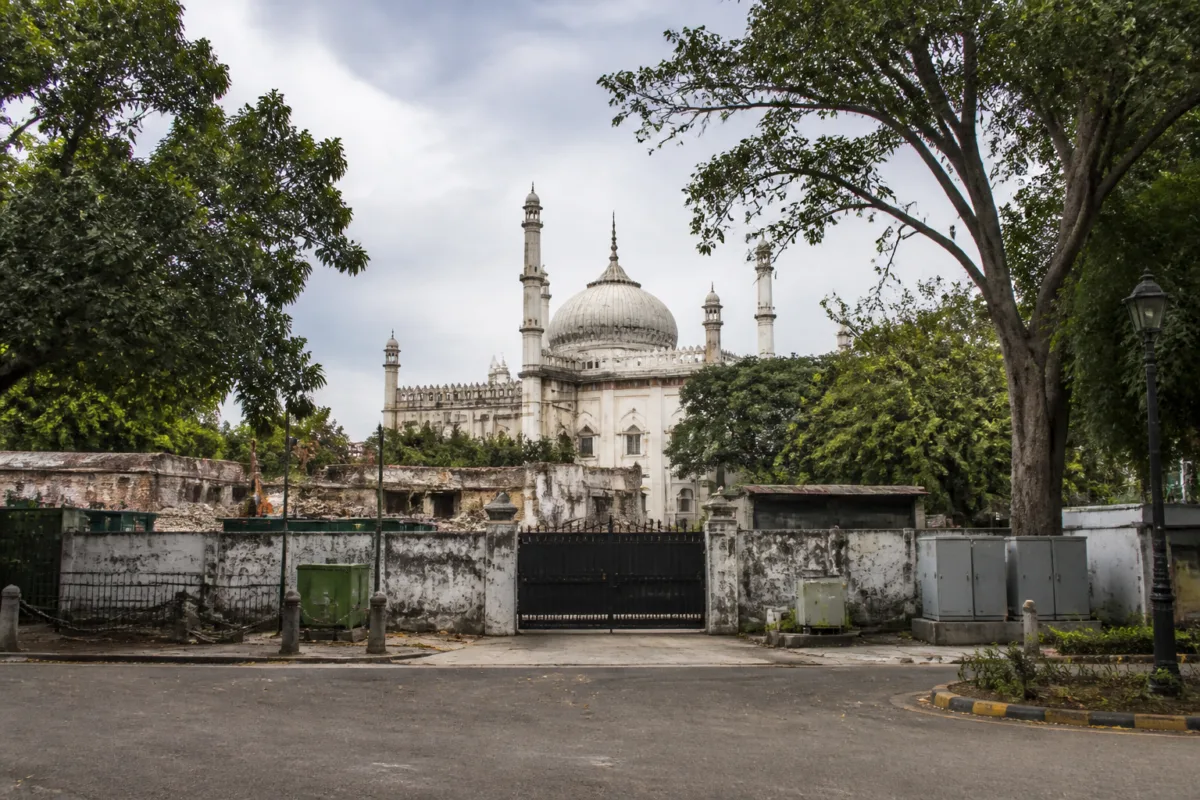
The Delhi High Court has sought a response from the New Delhi Municipal Council (NDMC) over the alleged disconnection of electricity and water supplies to the Race Course mosque in Lutyens’ Delhi without prior notice, after the civic action was challenged by the mosque’s imam.
A bench of Justices Subramonium Prasad and Renu Bhatnagar issued notice to the NDMC on an appeal filed by Mohd Haroon, who is challenging an October 15 order by a single judge that declined to direct restoration of the utilities. The division bench has asked the civic body to respond within two weeks and listed the matter for hearing in December.
During the hearing, the court questioned how the electricity connection could have been disconnected without notice, according to the report. The mosque is located on land recently taken over by the Centre for “public purpose”.
Haroon’s advocate, M Sufian Siddiqui, told the court that the mosque was a duly notified waqf property and that its electricity and water connections had been disconnected abruptly without notice or an opportunity to be heard. The petition argues that electricity and water are essential facets of the right to life under Article 21 and cannot be withdrawn without due process and statutory safeguards.
According to the appeal, NDMC disconnected the existing electricity and water connections serving the mosque and its hujra on October 7, 2026, while demolition of surrounding jhuggies was under way. The plea alleges that the action was taken without prior intimation, a disconnection order, details of outstanding dues, an allegation of theft or disclosure of any statutory violation relating to the connections.
The petition further claims that the civic body did not communicate the legal basis for cutting off the utilities. It describes the action as arbitrary and says that the appellant was not informed of the proposed disconnection, given a hearing or provided with a reasoned order.
The appeal also contests the single judge’s observation that, despite occupying the premises uninterruptedly for three decades, the imam had no right, title or interest in the mosque. It argues that the order was legally unsustainable.
The utility dispute is connected to a wider legal contest over access to and the future of the religious structure. On October 29, the High Court refused to allow worshippers access to the Race Course mosque, which is situated within the Jaipur Polo Ground premises. The Centre had assured the court that no coercive action would be taken against the structure for the time being.
The Centre took over the Jaipur Polo Ground in June and the adjoining Delhi Race Club in August. A separate petition filed by a worshipper seeking protection of the mosque from demolition is also pending before the High Court.
Another case before the court concerns a proposed demolition of a century-old mosque at Krishi Bhawan. The structure is located within a government office complex being redeveloped under the Central Vista Redevelopment project. In that matter, the Centre has argued that a permanent religious structure inside a government office complex is impermissible and incompatible with the secular character of government property.
The NDMC’s response to the appeal is due within two weeks, after which the High Court is scheduled to consider the matter in December.

