


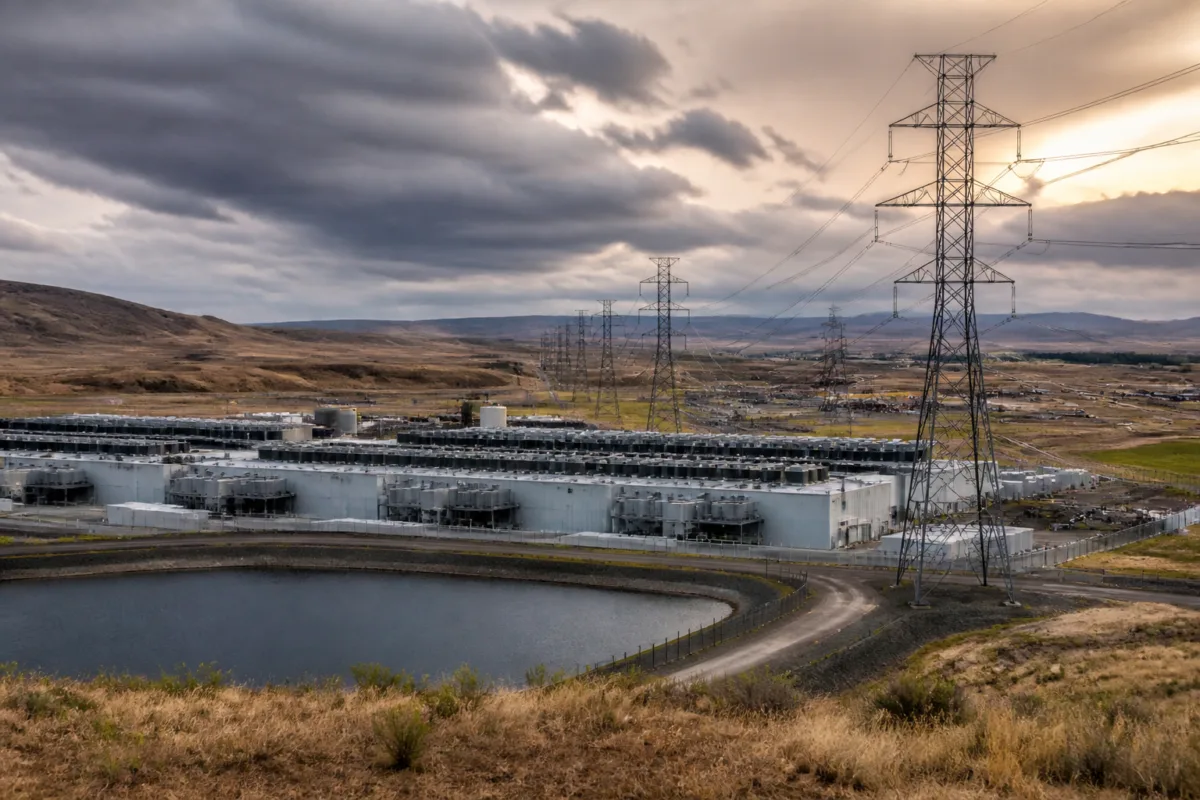
Data centre regulation is set for a tougher phase in the United States after Democrats campaigning against the facilities made major gains in midterm elections, including victories in states that have become important hubs for artificial intelligence infrastructure.
The election did not put data centre regulation directly before most voters, but candidates repeatedly linked the issue to electricity prices, water availability and affordability. Democrats won governorships in Texas, Ohio, Georgia, Nevada and Iowa, while also taking full control of state governments in Wisconsin, Minnesota, Pennsylvania, Nevada and Michigan, according to the report.
Campaigns large and small spent more than USD 380 million on television advertisements mentioning data centres, data from AdImpact showed. Democrats spent more than three times as much as Republicans on the issue.
Data Centre Watch, a project of AI security consultancy 10a Labs, tracked winning candidates for Congress and governor and found that most had expressed support for stronger regulation or a moratorium. Among 34 victorious gubernatorial candidates in races where the Associated Press had called a winner, 32 supported stronger regulation or restrictions, while 12 backed bans or moratoriums, the project said.
In Texas, Clayton Tucker, the first Democrat elected state agriculture commissioner since 1986, said his pledge to oppose data centre development was critical to his victory. He told the Associated Press that ranchers were concerned the facilities posed an existential threat to dwindling water supplies. The comments reflect the conflict emerging around large server campuses, which require substantial electricity and, depending on their cooling systems, significant water resources.
Wisconsin Gov.-elect David Crowley also adopted a harder position during the campaign. After initially opposing a moratorium, Crowley later said he supported one and backed abolishing the state sales tax exemption for data centre operators and developers. He said his administration was discussing proposals that could require developers to disclose more about water and energy consumption, establish community support requirements and protect ratepayers and taxpayers from project-related energy costs.
The regulatory debate is unfolding as technology companies expand infrastructure to support artificial intelligence. OpenAI published a framework outlining new commitments to communities where it develops data centres and called for clear rules from federal, state and local policymakers. The company said lawmakers should protect residents and ensure that the benefits of AI infrastructure are broadly shared.
The Data Center Coalition said developers needed to continue building trust with public officials and communities. Dan Diorio, a coalition official, acknowledged that many newly elected officials had promised moratoriums, while warning that host communities could lose tax revenue or payments from technology companies. He also said data centres were supporting wider investment in domestic manufacturing.
Financial markets have also begun to reflect concerns about the cost and pace of expansion. The Nasdaq fell 11 per cent below its all-time high amid worries that higher borrowing costs could slow data centre construction. Morgan Stanley said the election results increased expectations for restrictions and could divide the country into states that welcome new data centres and those that do not.
The immediate policy question for state and local governments is how to balance AI infrastructure investment with the costs imposed on power systems, water resources, taxpayers and nearby communities. Newly elected officials are now expected to convert campaign commitments into rules governing disclosure, taxation, permitting and resource use.

