


The Hyderabad ganja trade continues to draw youngsters and economically vulnerable workers into interstate procurement networks despite intensified enforcement, with some alleged suppliers travelling to Nagpur and Ajmer to source the contraband, Telangana Today reported on November 2.
The report said auto-rickshaw drivers, small-time businessmen and people from economically weaker sections were among those being attracted by the prospect of quick profits. Some individuals were reportedly mortgaging vehicles to raise money for purchases, according to sources familiar with the illegal trade.
The sources claimed that profit margins could reach up to 300 per cent, encouraging some people who had previously used ganja to become suppliers. The report also said that some travellers were accompanied by family members or female friends, allegedly to avoid attracting suspicion during journeys.
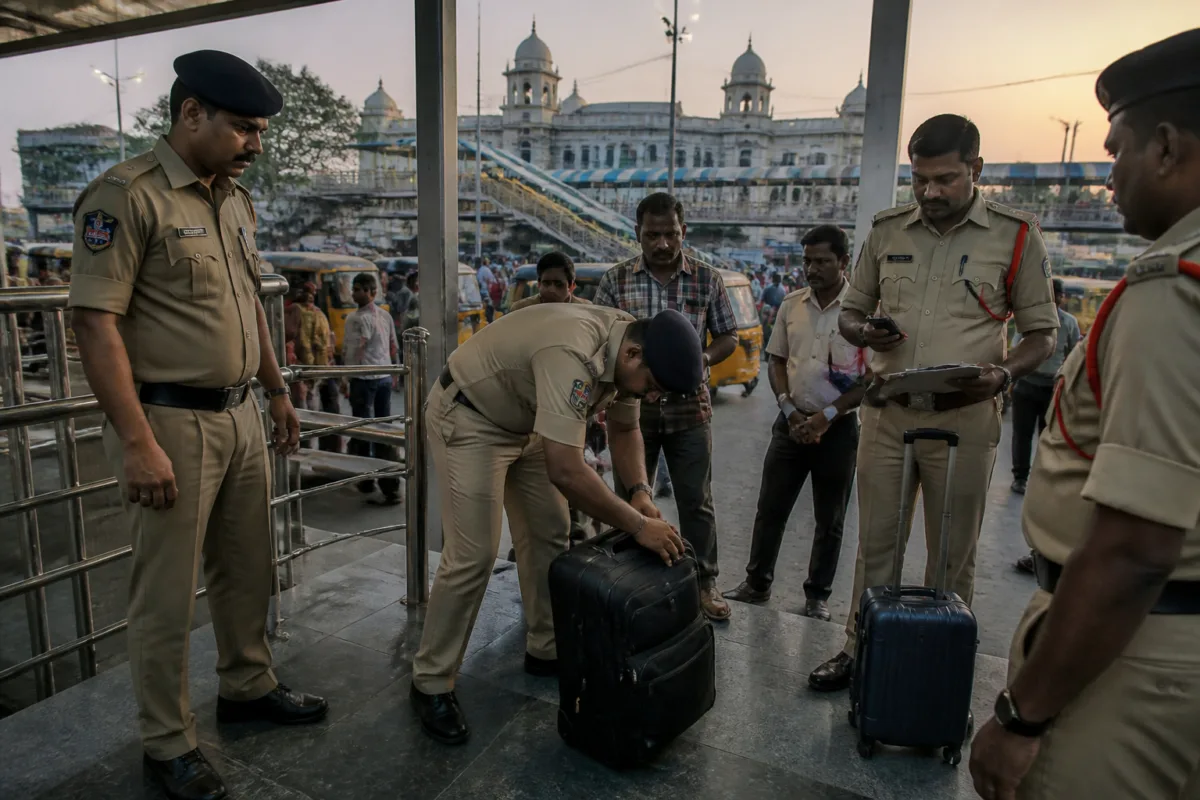
Trains, including AC coaches, and private buses were identified in the report as preferred modes of transport. The account said the Prohibition and Excise Task Force had recently intercepted several people at Nampally and Dhoolpet who allegedly sourced ganja from Nagpur. The report did not provide details of the number of arrests, quantities seized or the cases registered.
An official of the Prohibition and Excise Department said regular enforcement drives and seizures had not stopped the supply chain because of the high returns available to those involved. “Despite regular enforcement drives and seizures, the supply chain continues to operate because of the high profit margins,” the official said, according to the report.
A Hyderabad Commissioner’s Task Force official said enforcement agencies were increasing surveillance of suspected supply networks and local distribution points. The official said the focus was not limited to bulk suppliers and also included people distributing the contraband in smaller quantities.
According to the report, prices in Hyderabad vary depending on the quality of the ganja. Sources said 10-gram packets were reportedly sold for between Rs.500 and Rs.1,000 in some areas. The report attributed the price variation to differences in quality and said the higher-grade stock commanded better rates.
The account also described alleged attempts by some peddlers to reduce their losses if they were arrested, including separating different grades of ganja and relying on associates to hold part of the stock. These claims were attributed to sources familiar with the trade and were not independently detailed through seizure records or court documents in the supplied report.
The reported movement of suppliers across state boundaries and the distribution of small quantities within the city indicate that enforcement is dealing with more than isolated street-level sales. The agencies’ stated response is to monitor both interstate procurement links and local distribution points. Further details on arrests, seizures and prosecutions will determine the scale of the network described in the report.

