


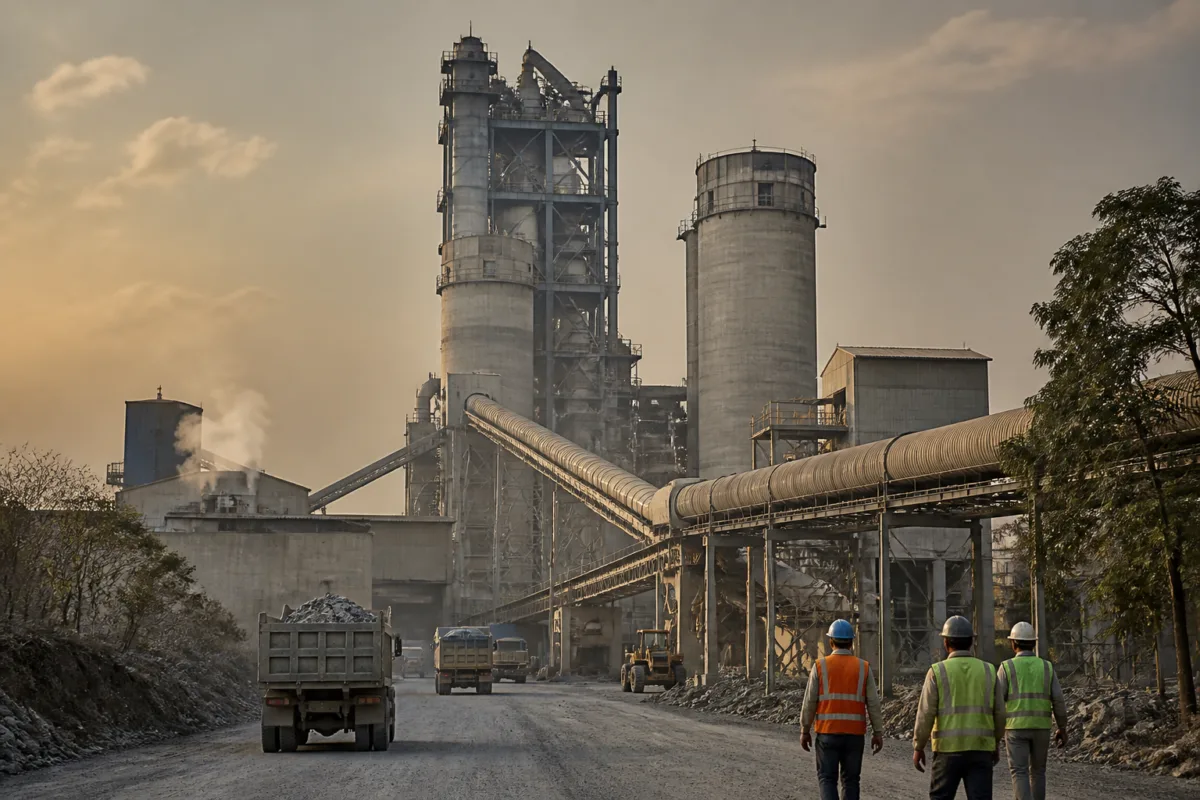
Birla Corporation’s second-quarter profit fell 58.9 per cent year-on-year to Rs 37 crore as higher clinker, power and fuel costs and weaker cement prices reduced margins, even as consolidated revenue and cement sales volumes increased.
The cement maker had reported a consolidated net profit of Rs 90 crore in the same quarter a year earlier. Revenue for the September quarter rose 9 per cent to Rs 2,441 crore from Rs 2,233 crore, but consolidated EBITDA declined to Rs 254 crore from Rs 332 crore, according to the company’s results reported by The Hindu BusinessLine.
Cement sales volume grew 7 per cent to 4.54 million tonnes. Realisation increased 2 per cent to Rs 4,925 per tonne, although it was marginally lower sequentially as prices weakened in the company’s core markets during July and August. Capacity utilisation remained steady at 85 per cent.
The pressure was more visible in the cement division’s operating performance. Clinker cost rose 13 per cent, while power and fuel costs increased 15 per cent as pet coke prices climbed 64 per cent. Cement division EBITDA per tonne fell to Rs 482 from Rs 712, and the division’s EBITDA margin contracted by 490 basis points to 9.8 per cent.
The results show the opposing forces facing cement producers: volumes and revenue can continue to grow while profitability weakens when energy and production costs rise faster than selling prices. Cement is a core input for housing, roads, commercial construction and other infrastructure, making changes in producer margins an important indicator for the wider construction supply chain. The company’s results, however, do not establish how the cost movement will affect project-level construction prices.
Birla Corporation said blended cement accounted for 86 per cent of sales, while premium products grew 17 per cent to 2.38 million tonnes. The share of the trade channel increased to 82 per cent from 79 per cent. These changes indicate a continued focus on product mix and distribution even as the company dealt with weaker pricing in key markets.
The company is also pursuing measures to contain production costs. Green power consumption rose to 32 per cent from 30 per cent, and coal extraction began at its Bikram mine in Madhya Pradesh. The mine is expected to deliver 1.8 lakh tonnes in the second half of the fiscal year, according to the report.
Birla Corporation’s jute division recorded a 17 per cent rise in revenue to Rs 155 crore, while cash profit increased to Rs 13.01 crore from Rs 4.64 crore a year earlier. Production in the division nevertheless fell 26 per cent because of a shortage of raw jute.
For the first half of the fiscal year, consolidated net profit declined 27.1 per cent to Rs 153 crore, while revenue rose 8.3 per cent to Rs 5,111 crore. The company said cement realisation had begun improving from October, but added that cost pressure was likely to persist and weigh on profitability.

